In the Media
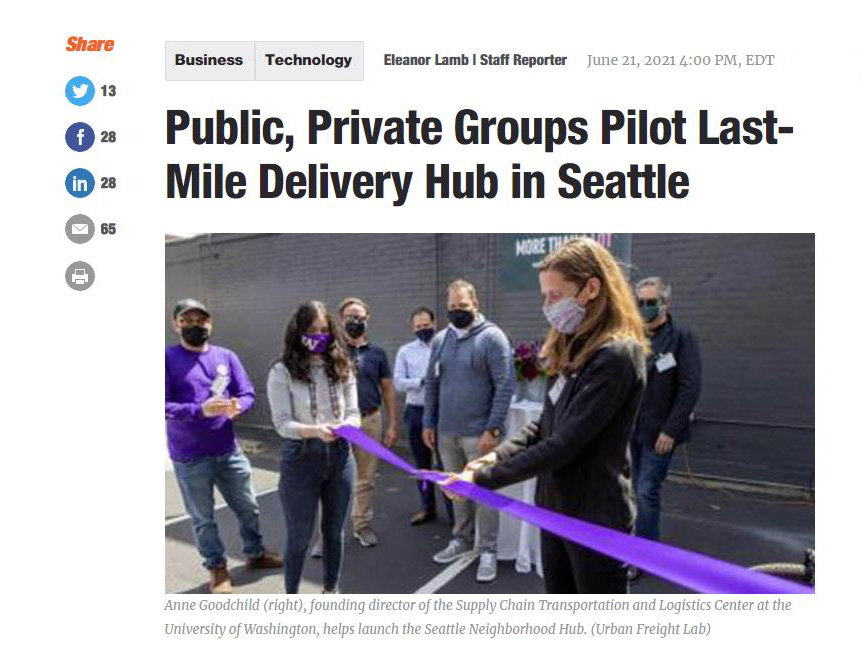
The pilot, slated to run through midsummer, is taking place in Seattle’s Uptown neighborhood. Located between Elliott Bay and Lake Union, Uptown is home to the Space Needle. Anne Goodchild, founding director of the Supply Chain Transportation and Logistics Center, noted the area is highly constrained due to “hills and water all around.”
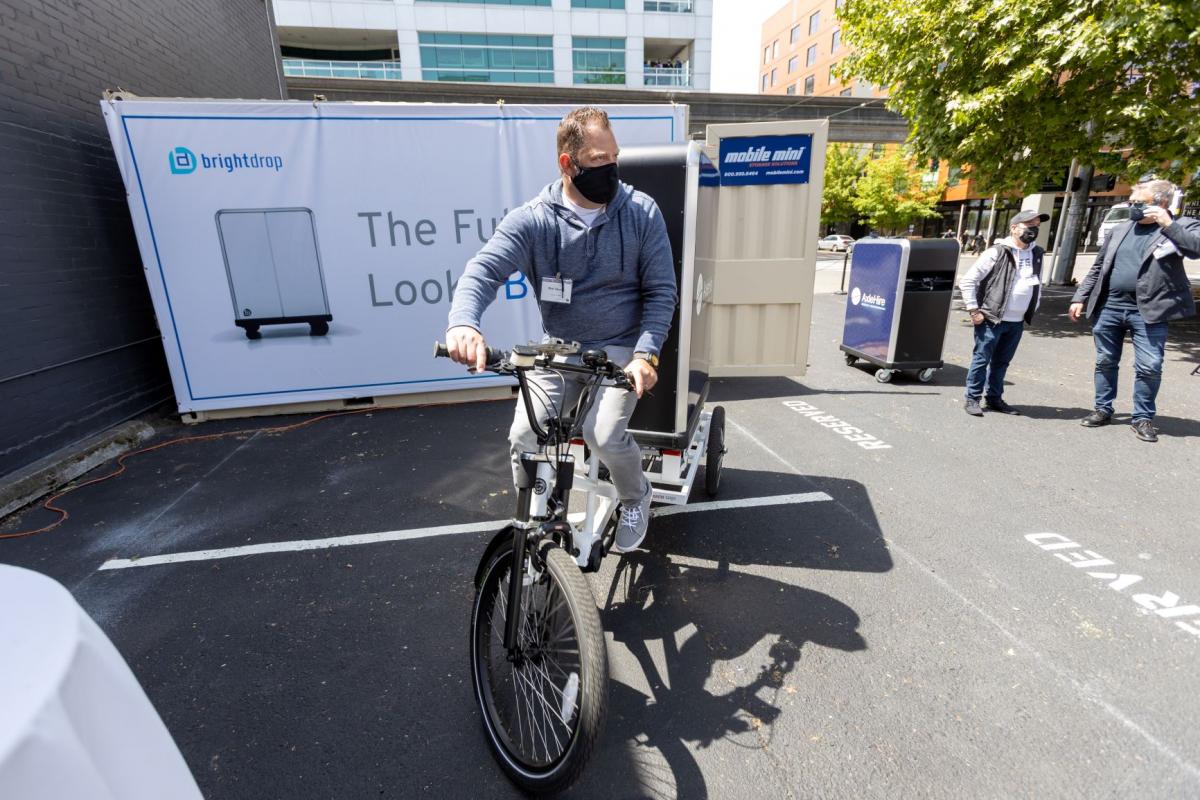
The delivery hub in Seattle’s Uptown neighborhood is a pilot program using zero operating-emissions technology to test new vehicles, delivery models and other technologies to help accelerate the development and deployment of sustainable last-mile solutions.
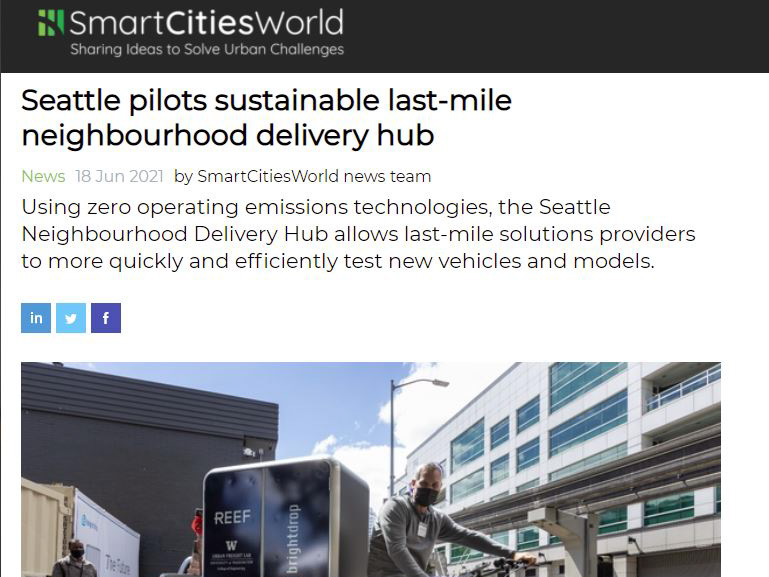
Using zero operating emissions technologies, the Seattle Neighbourhood Delivery Hub allows last-mile solutions providers to more quickly and efficiently test new vehicles and models.
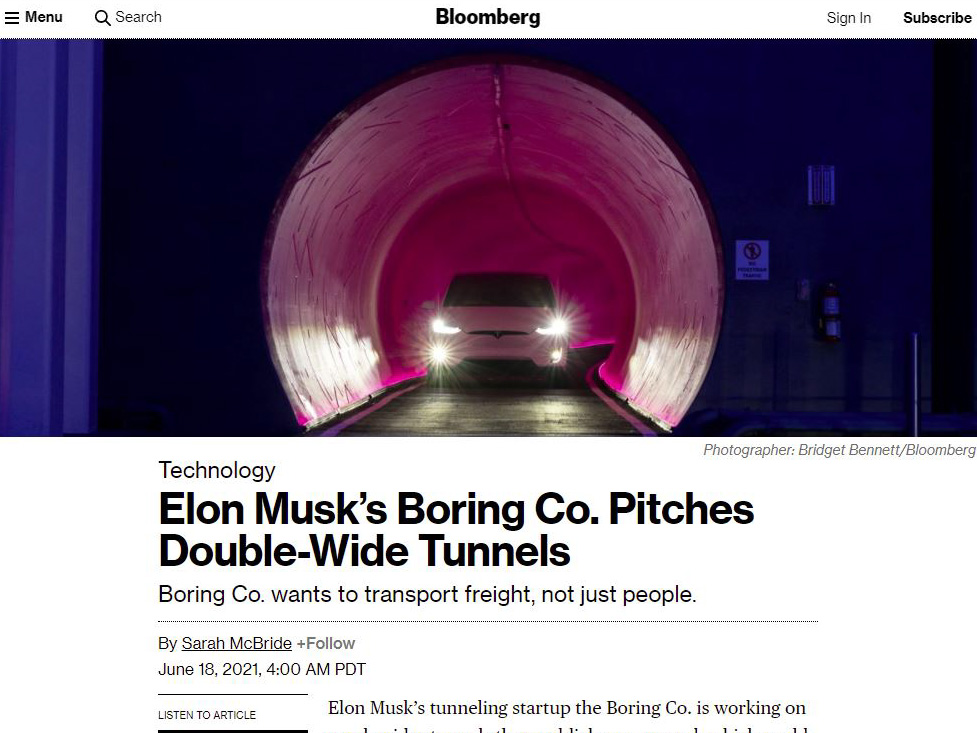
The proposal “is totally doable” from an engineering perspective, said Anne Goodchild, founding director of the Supply Chain Transportation & Logistics Center at the University of Washington.
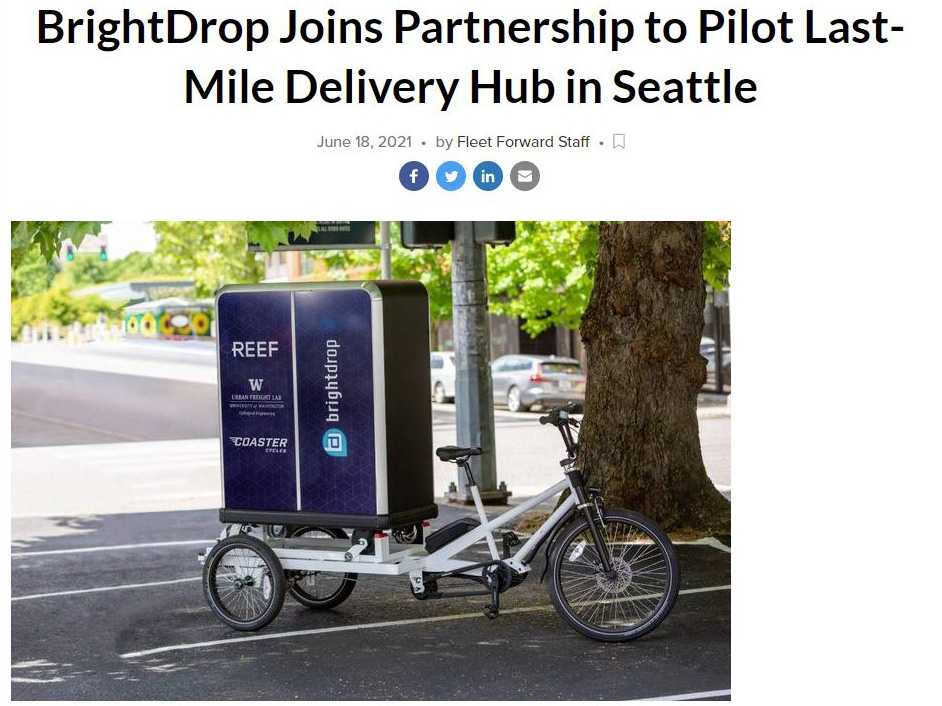
By Fleet Forward Staff
BrightDrop has collaborated with the University of Washington’s Urban Freight Lab, the City of Seattle, and tech and delivery companies AxleHire, Coaster Cycles, and REEF, a delivery kitchen, to launch one of the nation’s first zero operating-emissions, last-mile neighborhood delivery hubs, they announced in a news release.
Experimental Zero-Emissions Last-Mile Delivery Hub Launches in Seattle as a Test for Urban Logistics
Seattle’s first neighborhood delivery hub is now live.
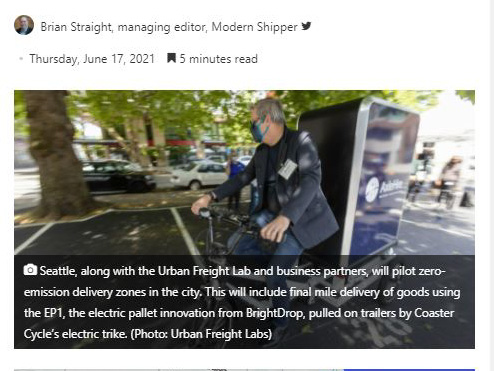
Pilot project will test technologies, zero-emission vehicles in delivering food and parcels.
BrightDrop has collaborated with the University of Washington’s Urban Freight Lab (UFL), The City of Seattle, and tech and delivery companies, AxleHire, Coaster Cycles and REEF, to launch one of the nation’s first zero operating-emissions, last-mile neighborhood delivery hubs.
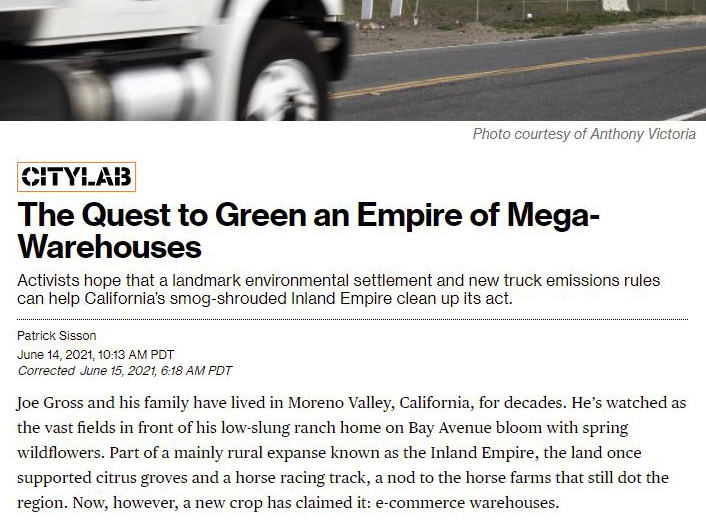
“I’m convinced the transportation and logistics center has embraced and accepted the idea that electrification and sustainability are part of their future — that’s not a controversial statement in any way,” says Anne Goodchild.
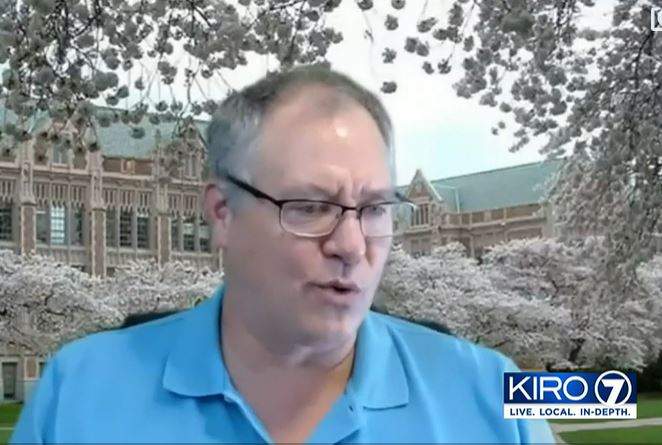
“Now you’ve got this floodgate of demand — not only because people are sick of being in their house but also because people have saved twice as much money,” Bill Keough said.
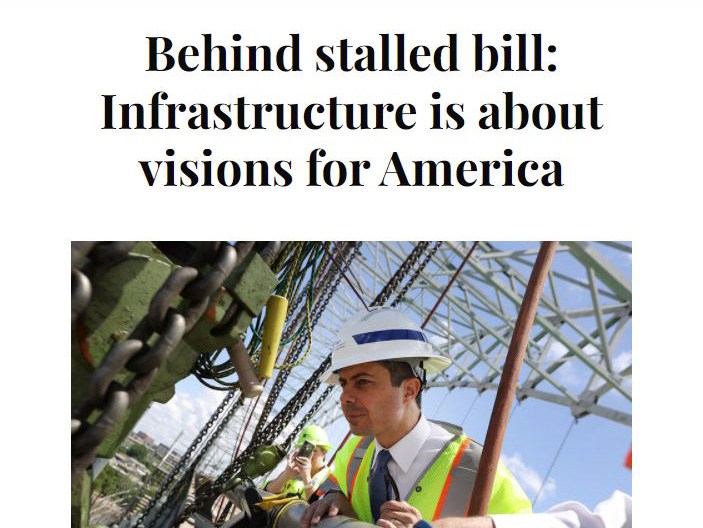
Anne Goodchild is experimenting with a parking app, common carrier lockers, and microhubs to reduce that time – and thus reduce congestion. Preliminary results suggest the lockers alone could cut drivers’ time in a building by 35% to 75%.
Anne Goodchild talks about the incredible growth in urban freight during the pandemic, and how the pandemic may have been the disrupter that might change the future of urban freight.

Bill Keough discusses vaccine distribution challenges and creative solutions in Africa.
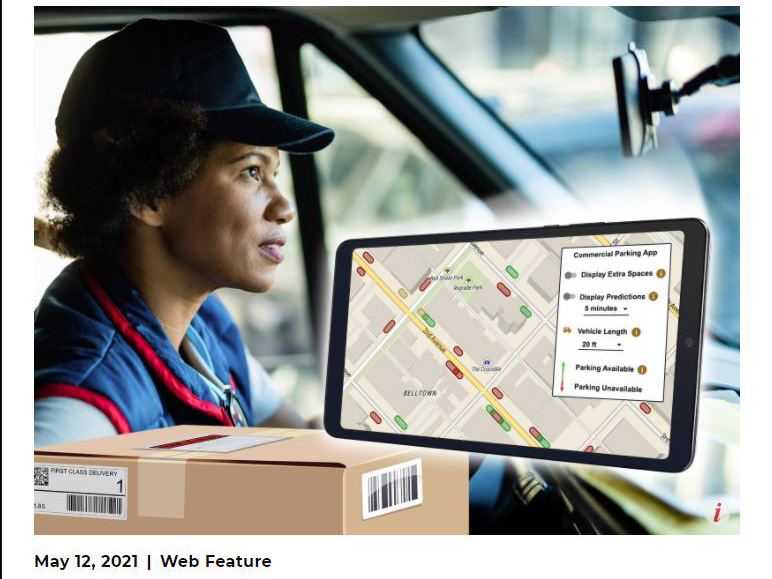
In this bustling and often congested urban area, trucks fully packed with goods are on tight delivery schedules. However, circling the blocks to find an open parking zone in the “final 50 feet”—the sweet spot for the most efficient deliveries—can put drivers behind schedule.
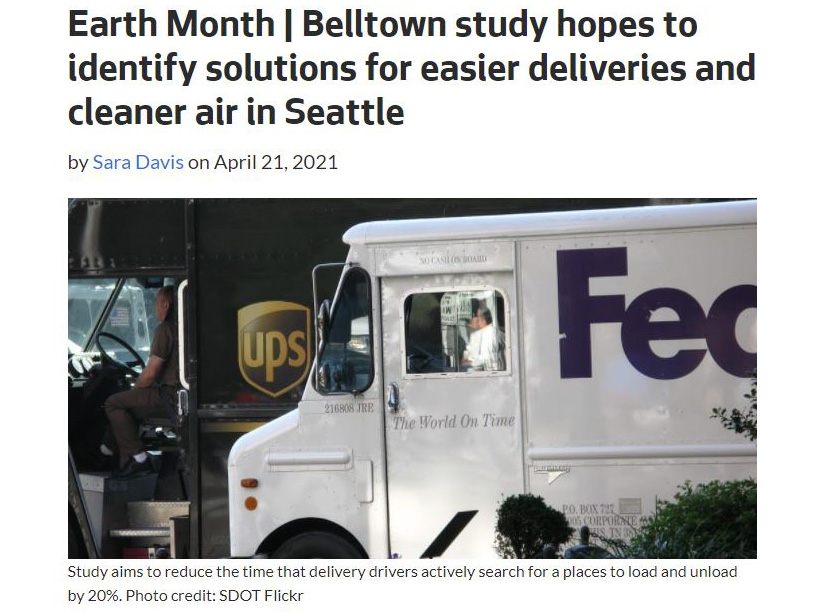
How do we keep customers happy, keep people and goods moving, keep our city livable, and meet Seattle’s climate change goals? That’s a question we’re working with the Urban Freight Lab to investigate.