In the Media
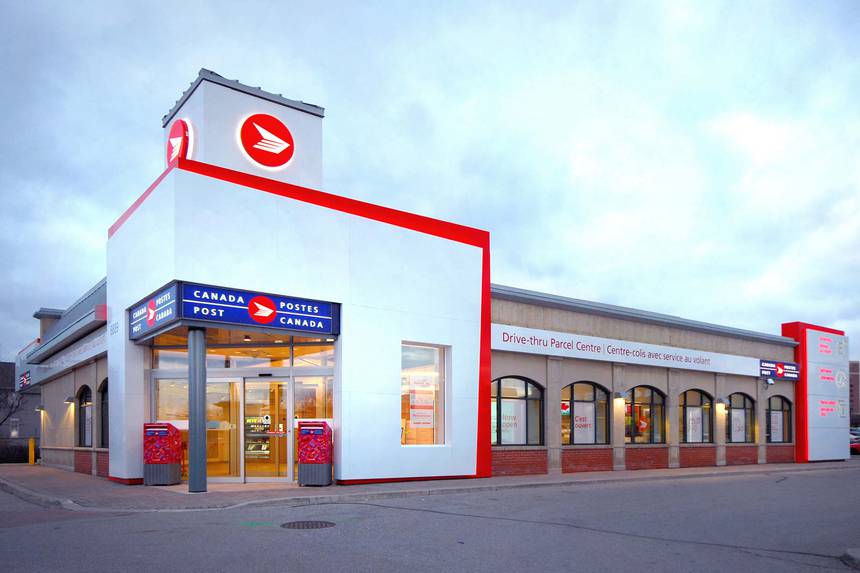
Since the last mile of delivery to individual homes is the most expensive, in the future people will may go to the post office instead. Anne Goodchild comments.
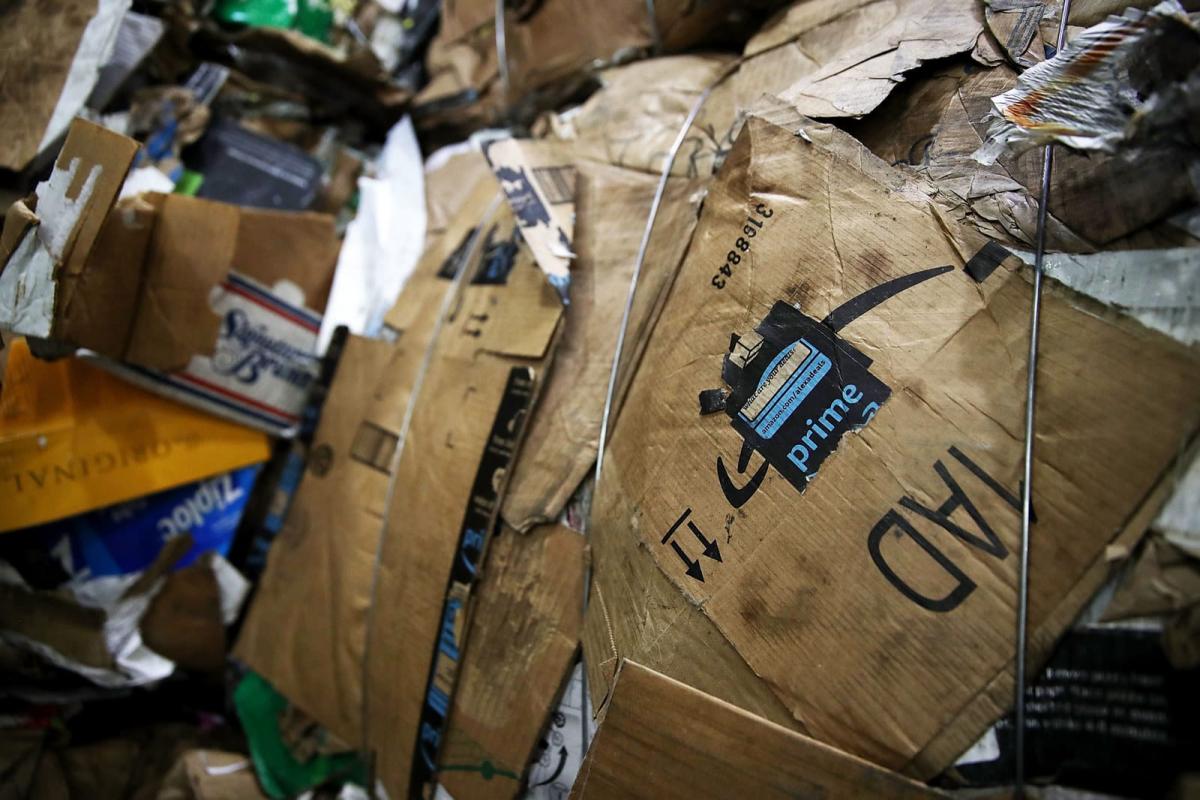
Your Prime Day shopping spree came with free, fast shipping. Experts—including our own Anne Goodchild—weighs in on the hidden environmental cost that doesn’t show up on the checkout page.

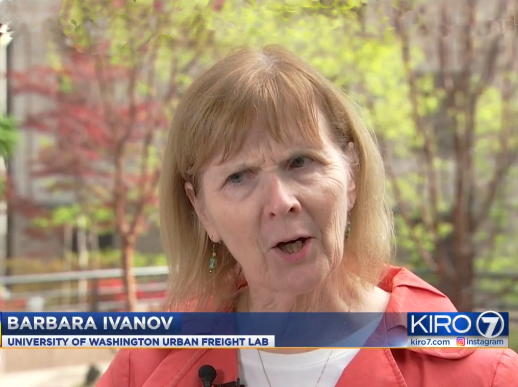
Who we’d invite if we could entertain this month’s most interesting visitors, locals, and newsmakers: Barb Ivanov. “Finally, someone’s thinking outside the stolen box.”
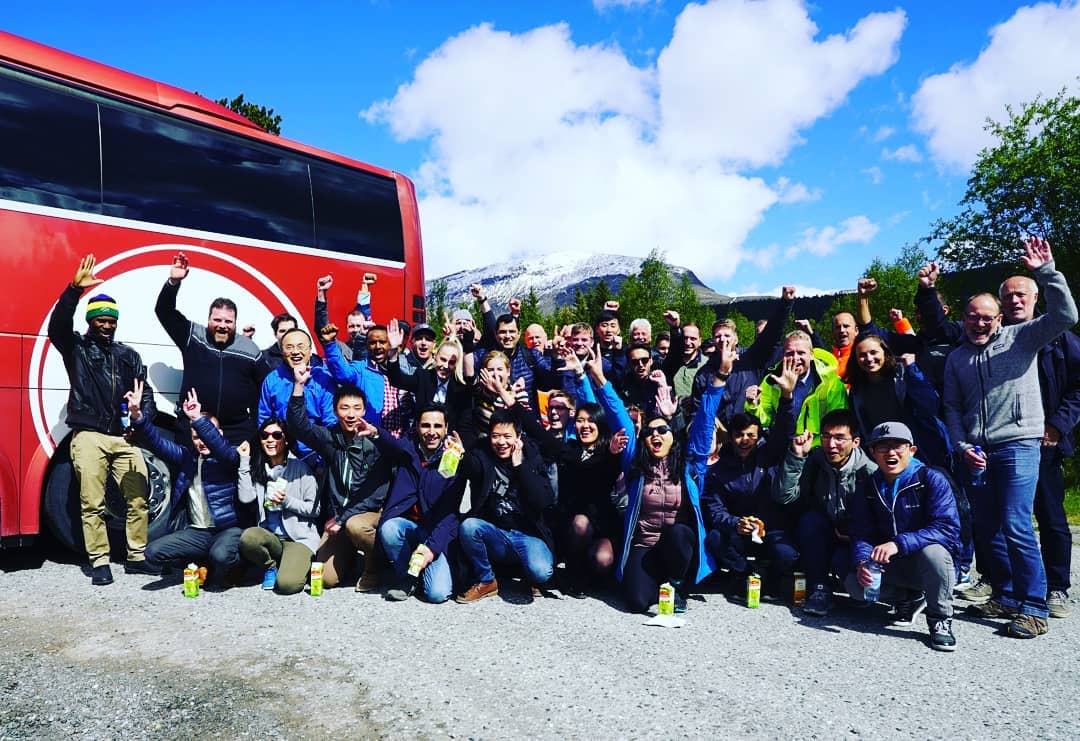
“After 36 hours, the value of the fish plummets. It’s not considered fresh anymore,” said CEE research associate professor Ed McCormack, who helped facilitate the program. “From a cargo point of view, fresh fish is expensive and fragile and it has to move really fast.”
Bill Keough says that for a number of reasons, humanitarian supply chains have been slower than their corporate counterparts to re-engineer their global supply chains.
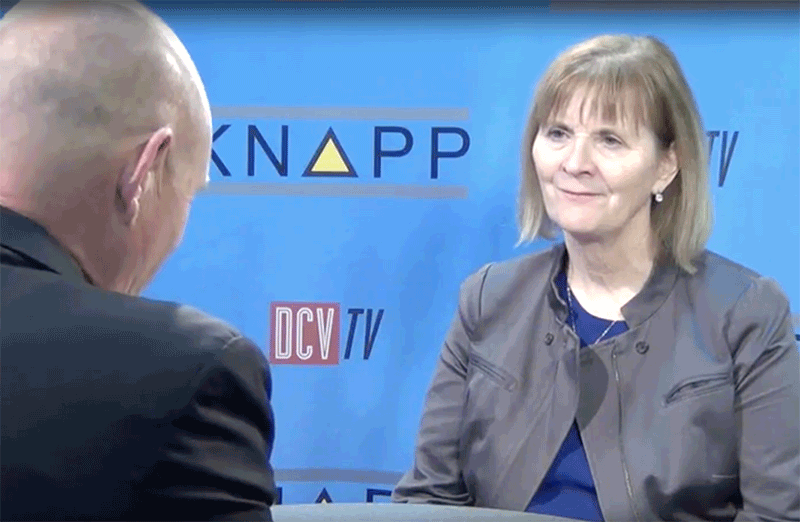
Barb Ivanov, the director of the Urban Freight Lab at the Supply Chain Transportation and Logistics Center of the University of Washington, discusses solving freight system problems and ways the public- and private-sector overlap.
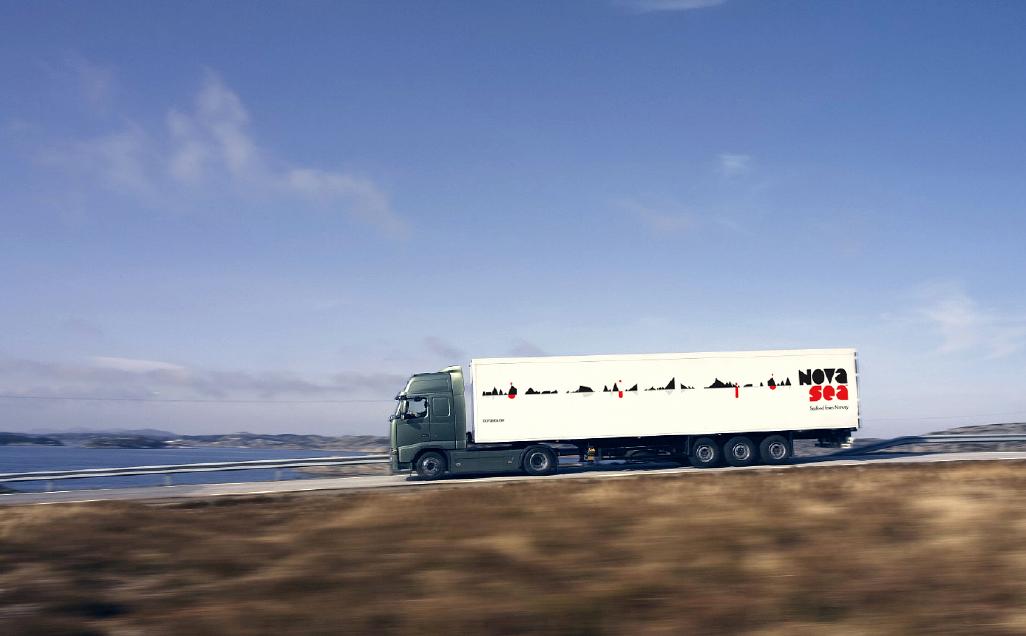
Students and professors from the University of Tromsø and the the University of Washington in Seattle, will take the long salmon routes in Norway. The creative student collaboration – which will look into how to make the roads safer, more accessible, and efficient – is called “The Seafood Industry Transportation Challenge.”
Inbound Logistics recently caught up Bill Keough to find out how the University of Washington is addressing the talent gap in the supply chain/logistics sector.
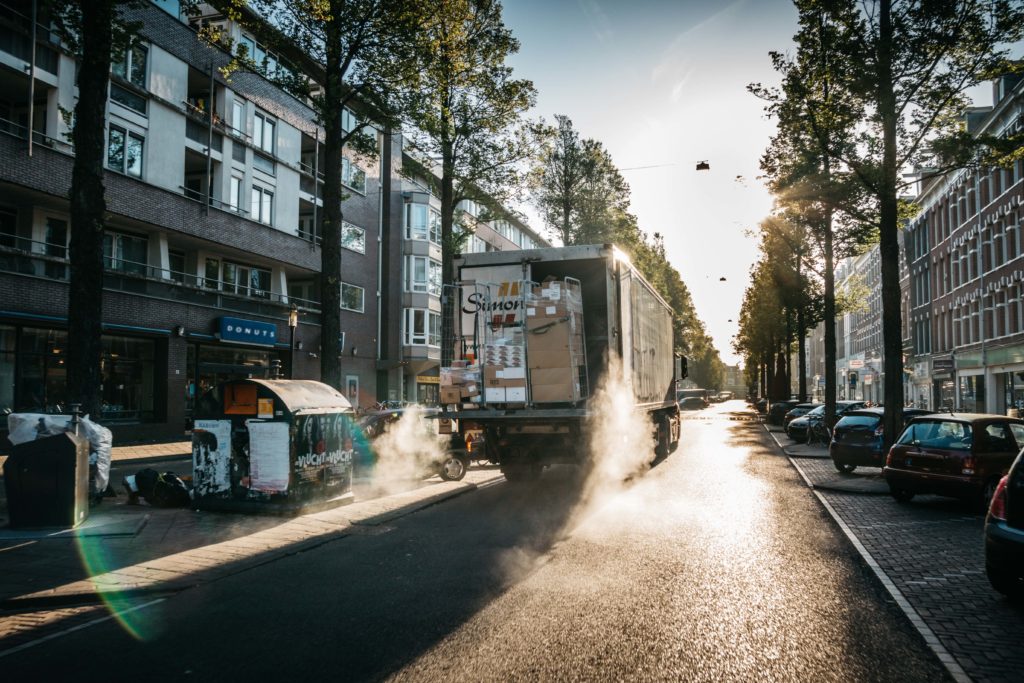
New Urban Freight Lab study shines spotlight on some unique benefits of parcel lockers.
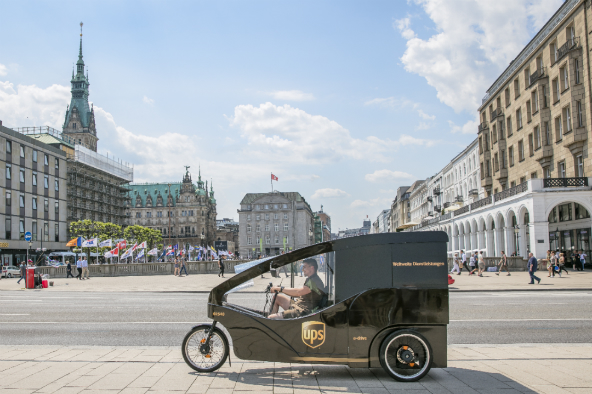
Due to heavy traffic, cities are on the front line of climate change. Purpose-driven collaborations such as UPS’s partnership with the Urban Freight Lab offer sustainable means of commerce and transportation.
For the first time in the United States or Europe, the Urban Freight Lab led a test of a common carrier locker system in a public building.
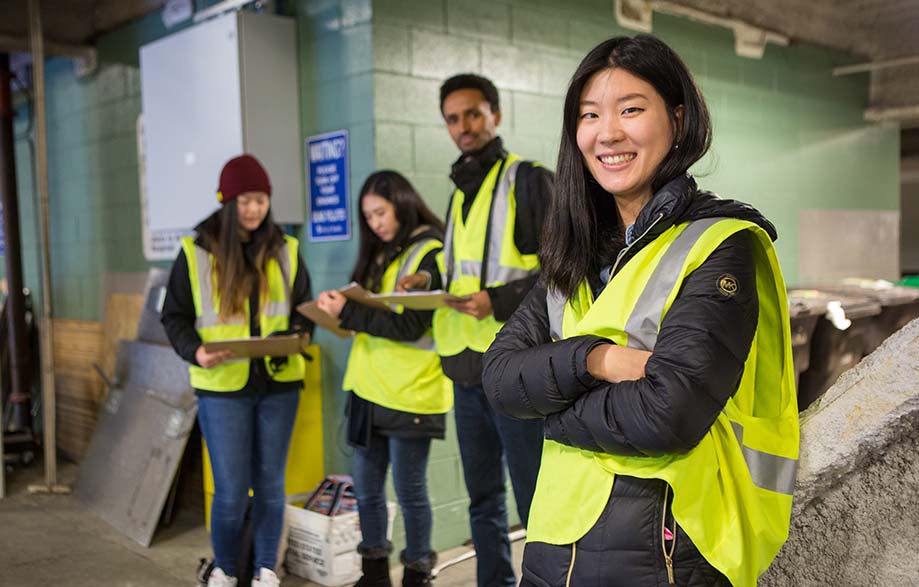
SCTL’s Urban Freight Lab conducted a pilot study at Seattle Municipal Tower in April. “We anticipated that if we had a locker system, we would reduce the delivery time,” said Ph.D. student Haena Kim, who led the pilot study. “But what we saw was a 78% reduction in time. That’s astonishing.”
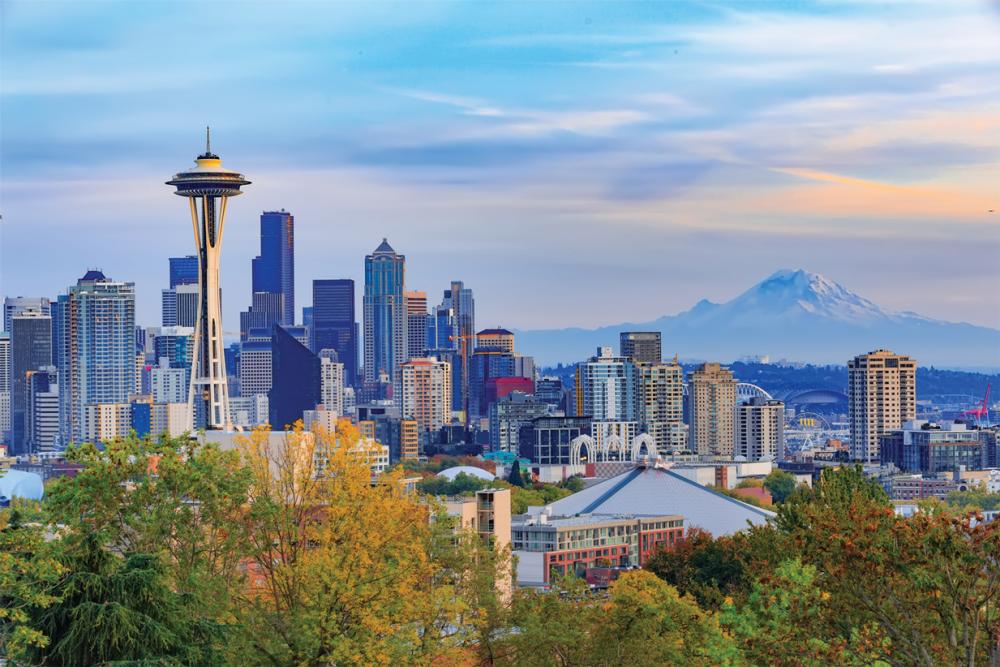
The Urban Freight Lab and Seattle Dept. of Transportation found e-commerce and urban growth has led to a dramatic increase of vehicles circling the urban core. Without steps to correct inefficiencies, the number of truck trips in the downtown area of Seattle could double by 2023.
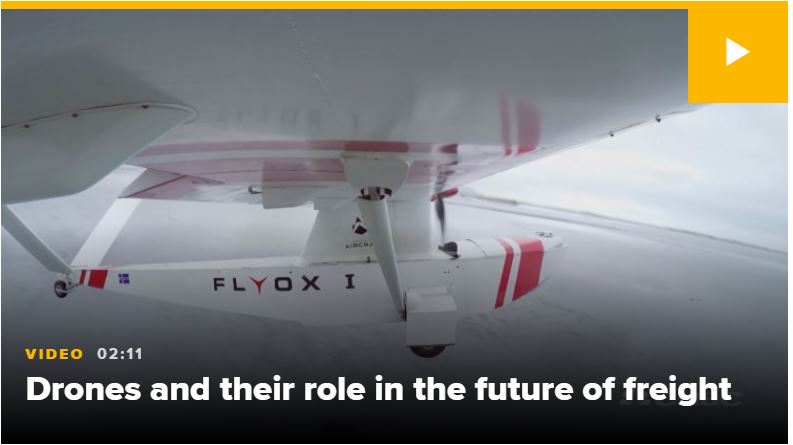
Drones offer an interesting alternative when delivering goods. “We’ve brought the technology to a point where it opens up some really new possibilities that are exciting,” Anne Goodchild, professor of civil and environmental engineering at the University of Washington, said.
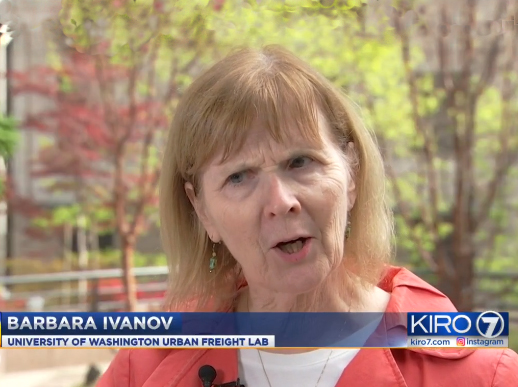
Driverless trucks are advancing quickly, and they could revolutionize how companies move all the stuff we buy. Barbara Ivanov weighs in.