In the Media
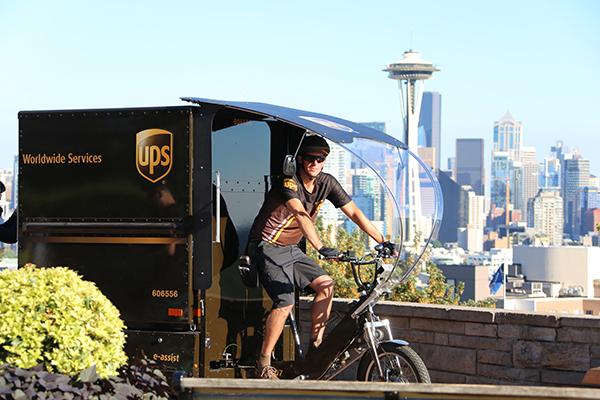
Over the next year, UPS and the Urban Freight Lab at the University of Washington will evaluate the cargo electric bicycle’s reliability and other features as they are put to the test on Seattle’s hilly streets.
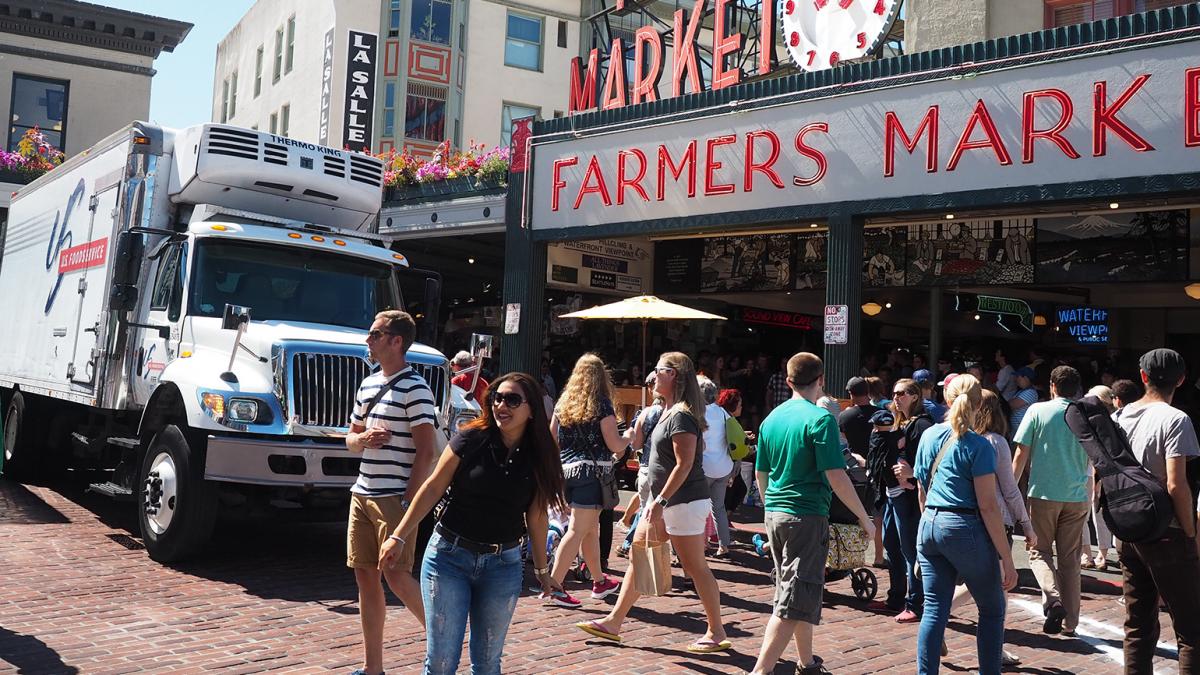
UPS and the University of Washington’s Urban Freight Lab will evaluate the cargo eBike’s reliability, design, and function in Seattle’s infrastructure over the next year.
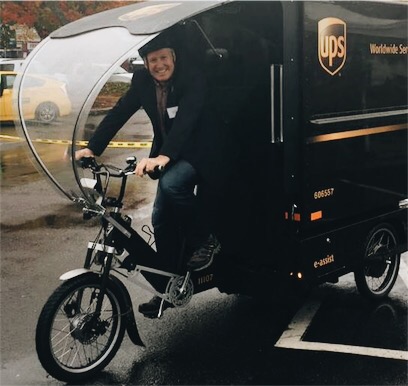
The cargo e-bike pilot is the result of open collaboration between UPS; the University of Washington Urban Freight Lab; the Seattle Freight Advisory Board (SFAB); Silver Eagle Manufacturing; City of Seattle leadership; and the Seattle Department of Transportation’s Final 50 Feet Program.
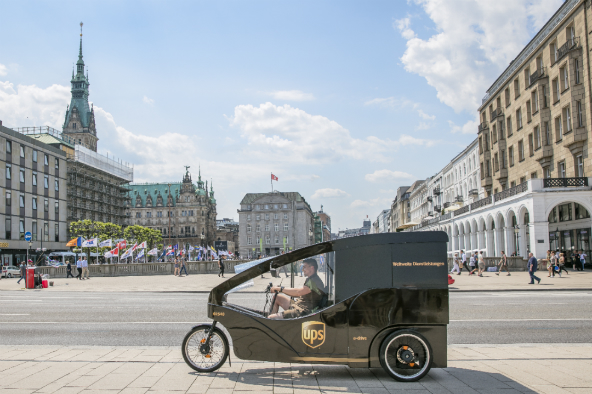
A new partnership between the city of Seattle, UPS and the University of Washington’s Urban Freight Lab is placing a new delivery vehicle on congested city streets — a pedal-assist cargo eBike with a customized, modular trailer — with an aim to lower emissions and improve delivery efficiency.
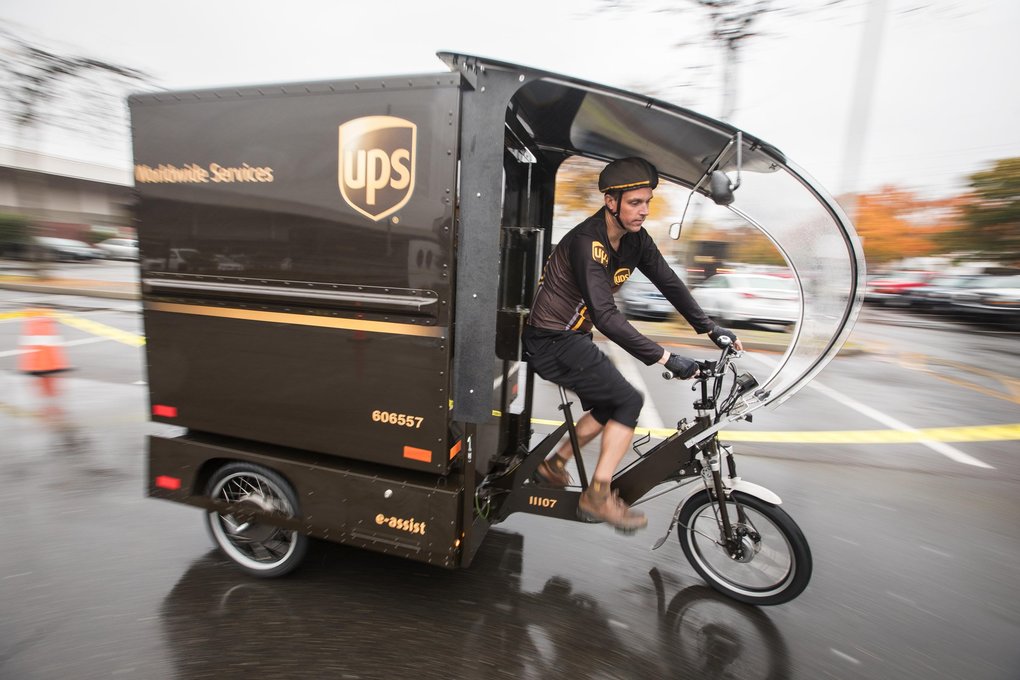
UPS and the University of Washington’s Urban Freight Lab will evaluate the project on whether it reduces the number of times a package does not reach a customer on the first try, and how long the bikes are stationary — also known as dwell time.
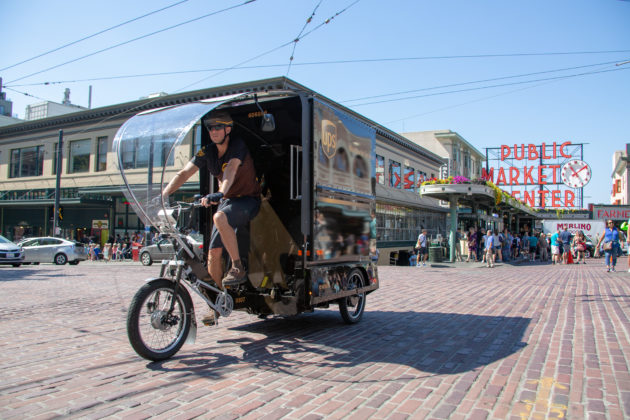
UPS has partnered with the Seattle Department of Transportation and the Urban Freight Lab at the University of Washington to make deliveries using electric-assist cargo bikes in downtown Seattle. During the year-long pilot, UPS will deliver packages in Pike Place Market and the surrounding neighborhood using the bikes. If the pilot is successful, UPS will expand its cargo e-bike delivery service to other parts of Seattle.

The Department of Energy awarded a to Seattle-based Urban Freight Lab (UFL), a project of the University of Washington’s Supply Chain Transportation & Logistics Center, to pilot test three innovations that could reduce congestion caused by commercial vehicles and make commercial load/unload zones more productive.

When it comes to freight transportation, much attention is paid to the last mile of a delivery. But what about the last 50 feet? A lot happens after a delivery truck pulls into an alley or loading bay—in fact, 60 percent of a carrier’s time is spent after the truck stops. Reducing the amount of time a truck spends in a parking space can help cities better manage their curbs and more efficiently use space. Barb Ivanov explains.
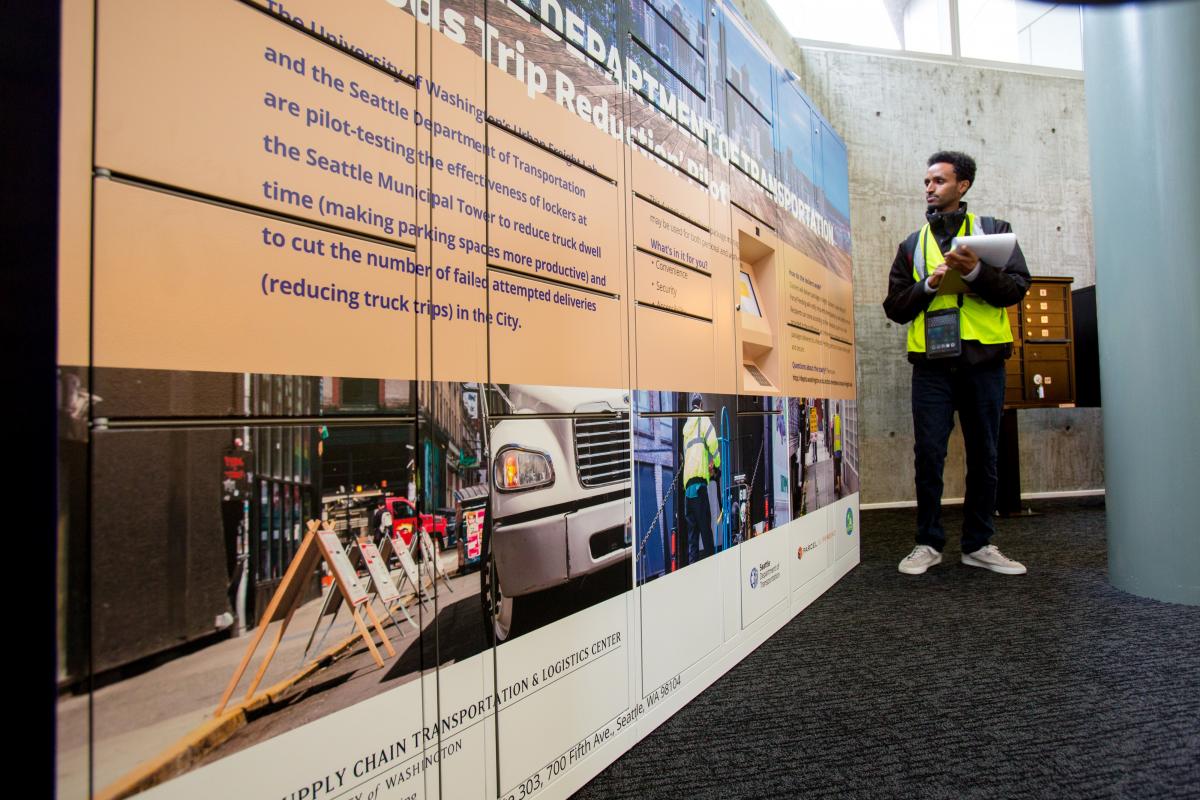
The Urban Freight Lab at the Supply Chain Transportation and Logistics Center hope to launch a pilot program in Seattle to see if broad deployment of non-proprietary parcel lockers located in “dense public spaces” such as transit stations can help alleviate traffic congestion.
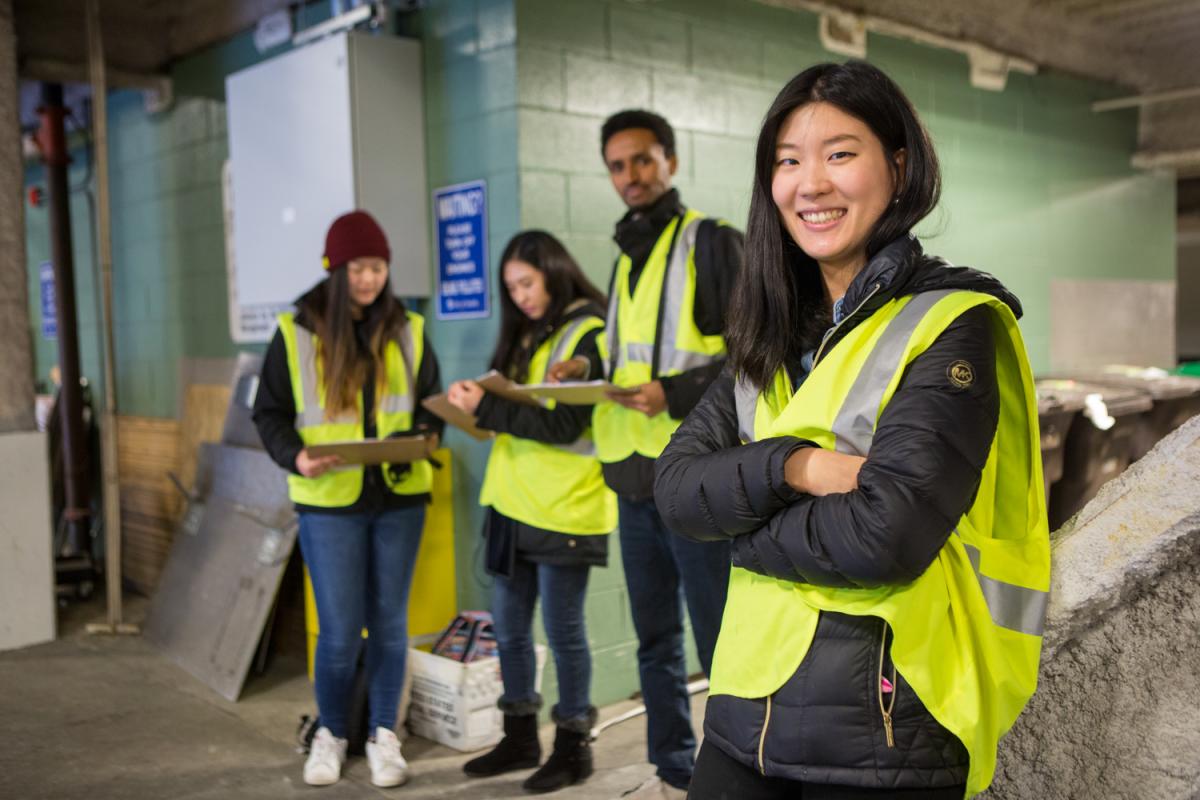
Urban Freight Lab researchers want to know if parcel lockers that aren’t owned by a specific company could alleviate traffic congestion in Seattle.
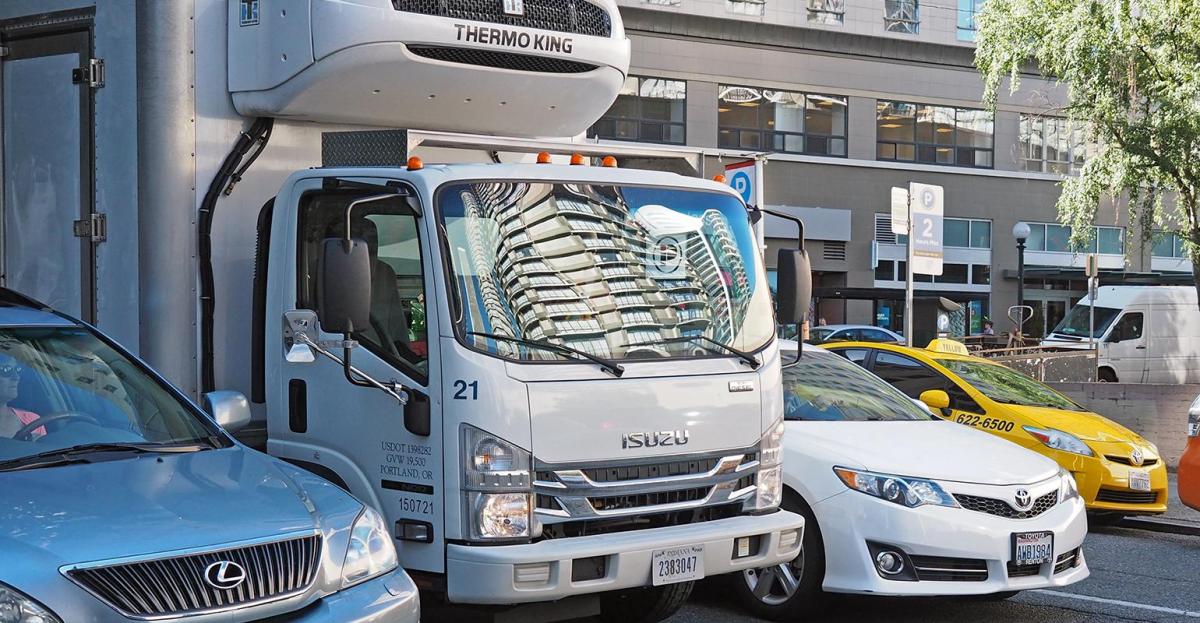
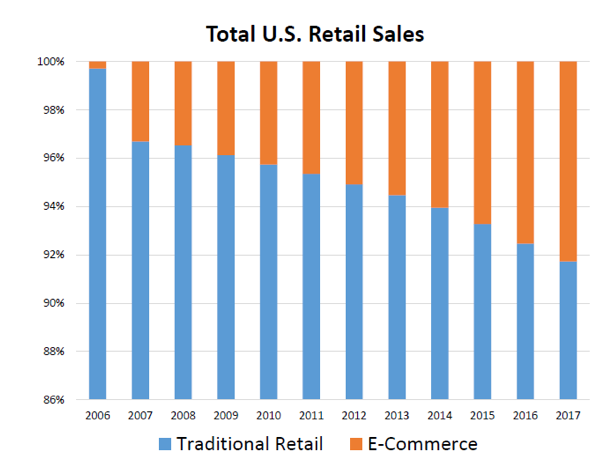
Freight demand is growing, and consumers increasingly would rather shop for and purchase goods online, often having them delivered to their door. Anne Goodchild, director of the Supply Chain Transportation and Logistics Center at the University of Washington-Seattle, noted that e-commerce is gaining fast in terms of its share of U.S. retail sales, climbing 16% from 2016 to 2017, to a total of $453.5 billion.
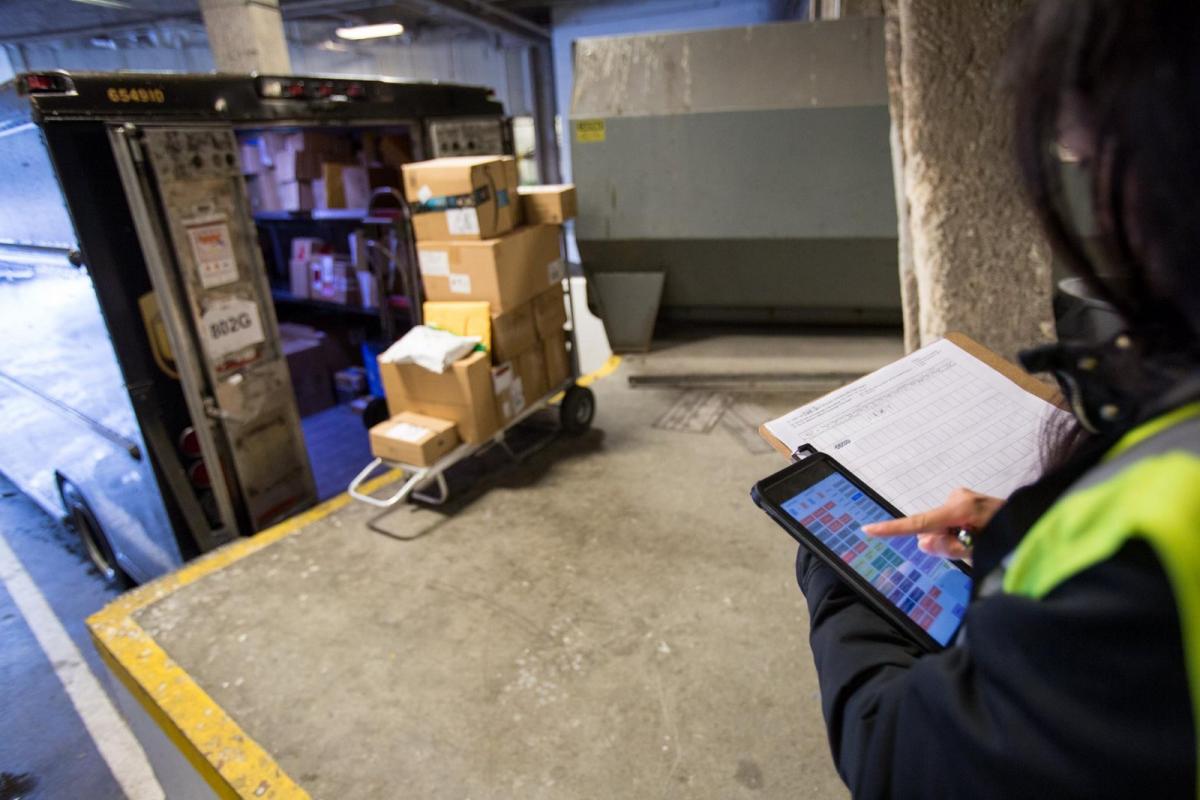
Researcher Anne Goodchild explains how simple ideas like lockers and cargo bikes could make our neighborhoods more livable.
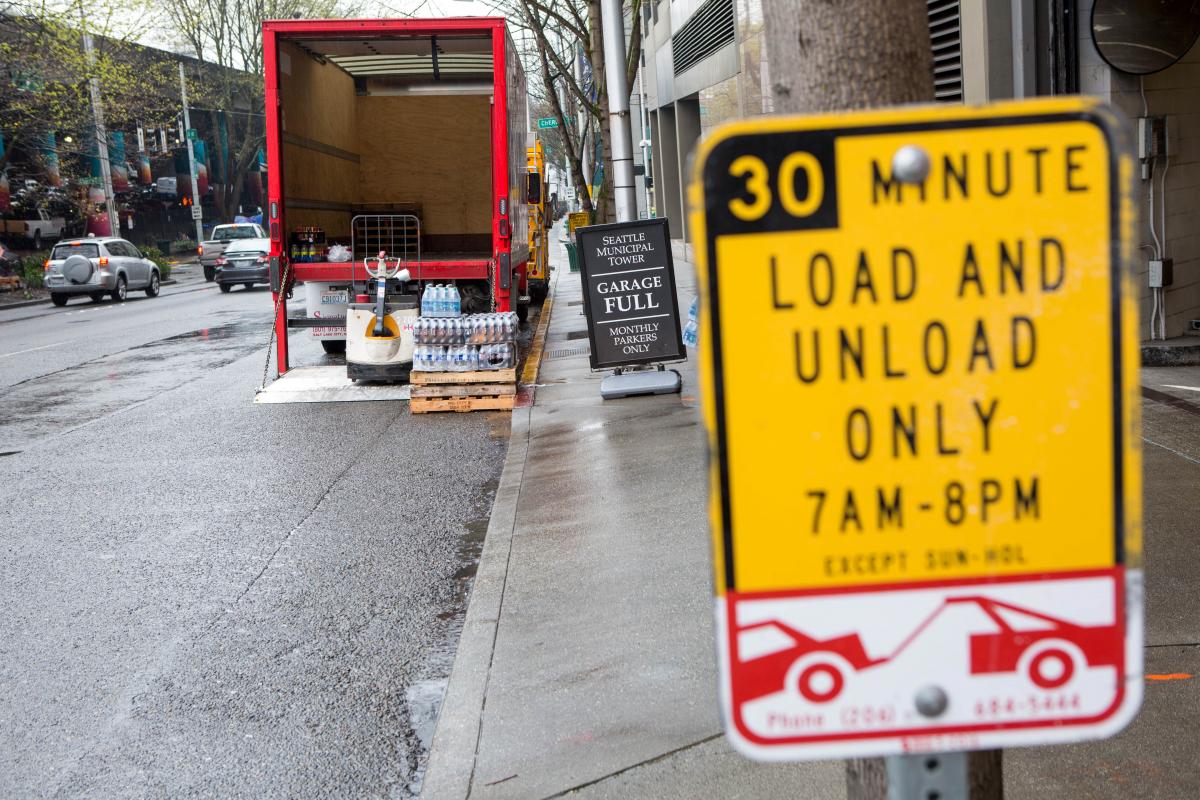
Every fleet manager is aware of the current delivery dilemma facing major cities in the U.S. In a recent Fleet Owner webinar, Anne Goodchild, director of Supply Chain Transportation and Logistics Center at the University of Washington weighed in on this issue.

With e-commerce sales of $453.5 billion in 2017, Anne Goodchild shares potential shipping and routing strategies for tackling the ever-growing e-commerce rate in metro cities.
Barbara Ivanov, Director of the Urban Freight Lab: “Tickets are eaten as cost of business because there are no other alternatives. System must allow people to do their work without forcing them to engage in illegal behavior. Can meter, can ticket, but without actual building management change you haven’t affected behavior. Must work with managers, owners, and developers.”