In the Media
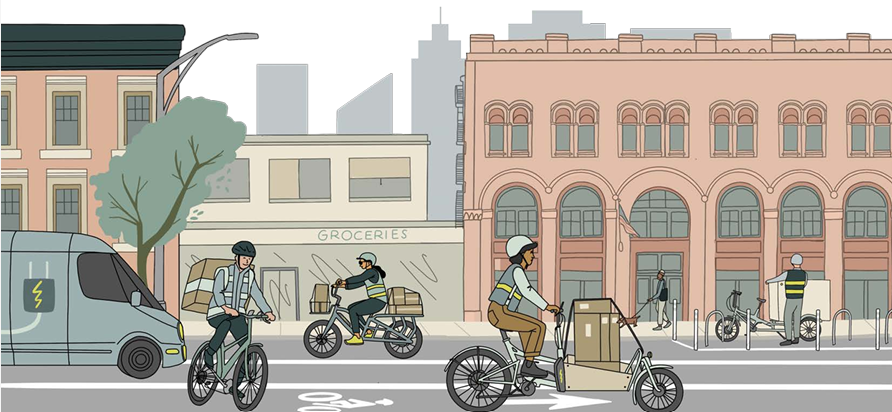
The good folks at Urban Freight Lab have just released an important report — Biking The Goods: How North American Cities Can Prepare for and Promote Large-Scale Adoption of Cargo e-Bikes. While it’s a must-read for anyone interested in improving our streets, cities and delivery systems, it clocks in at a hefty 40 pages. For the “tl;dr” crowd, here’s an abridged synopsis of some key findings.
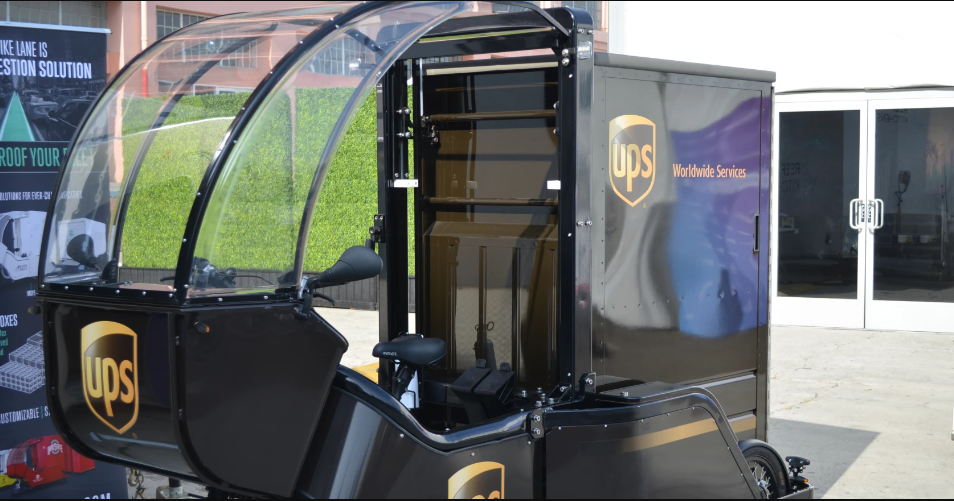
New York City’s Department of Transportation is considering a rule change that would allow for the use of electric cargo-bike delivery vehicles. Experts say the vehicles often perform better than their gas-powered counterparts in urban settings. Neighborhood electric vehicles (NEVs) “can certainly have a place in the logistics network,” said Kelly Rula, director of policy and partnerships at the Urban Freight Lab at the University of Washington, “especially if they can offer a slightly larger carrying capacity than cargo bikes, trailers and quads but still provide carbon and safety improvements.”

By Karen Kroll Nailing down the final inches of a delivery can be complex. Fortunately, a variety of solutions show promise to help shippers navigate that crucial leg. Every second of every day in 2022, 674 parcels were generated in the United States, or about 21.2 billion for the year, Pitney Bowes reports. Ensuring those packages get to the right recipients, safely and on time, presents numerous logistics challenges. And the challenges often get dicier, as well as pricier, toward…

With Boston Delivers, the City of Boston aims to support local businesses, reduce pollution, improve street safety, and ease the traffic congestion caused by the expansion of delivery services in recent years.

Fiete Krutein, a former University of Washington researcher who co-authored a paper on evacuating isolated islands, said one of the most important steps local governments can take to ensure everyone gets off an island when a hurricane hits is to have an evacuation plan in place.

The City of Boston and the Boston Transportation Department have launched an e-cargo bike delivery pilot program aimed at serving local residents and businesses. The program also serves as a case study for the Urban Freight Lab to inform worldwide efforts to encourage deliveries on e-cargo bikes.

Today Mayor Michelle Wu and the Boston Transportation Department (BTD) announced the launch of Boston Delivers, an e-cargo bike delivery pilot program, to serve local residents and businesses. Boston Delivers will serve as a case study for The Urban Freight Lab at The University of Washington to help inform worldwide efforts to encourage deliveries on e-cargo bikes.

Shipping products with less urgency can cut down on environmental harms from e-commerce, Anne Goodchild says. If companies don’t send out each order as quickly as possible, they can plan more efficient routes, fill delivery vans entirely, and dispatch fewer, larger vehicles.
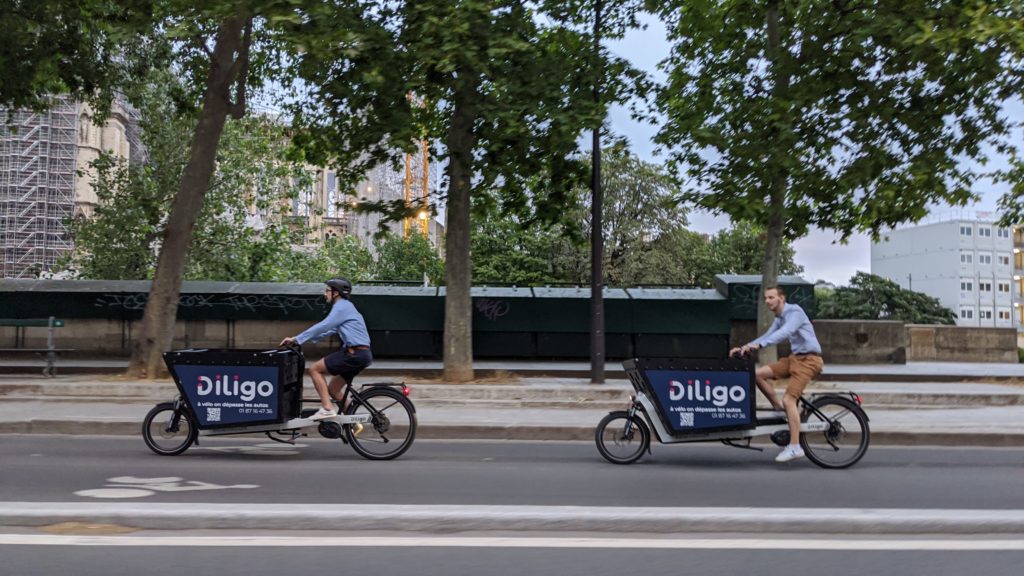
“You can carry a lot more with a truck, but it spends about 80% of its time parked on its routes,” said Giacomo Dalla Chiara. “But the driver has to get out and walk, and once you do that, it’s a mode of transport much less efficient, which the total number of packages delivered does not show.”
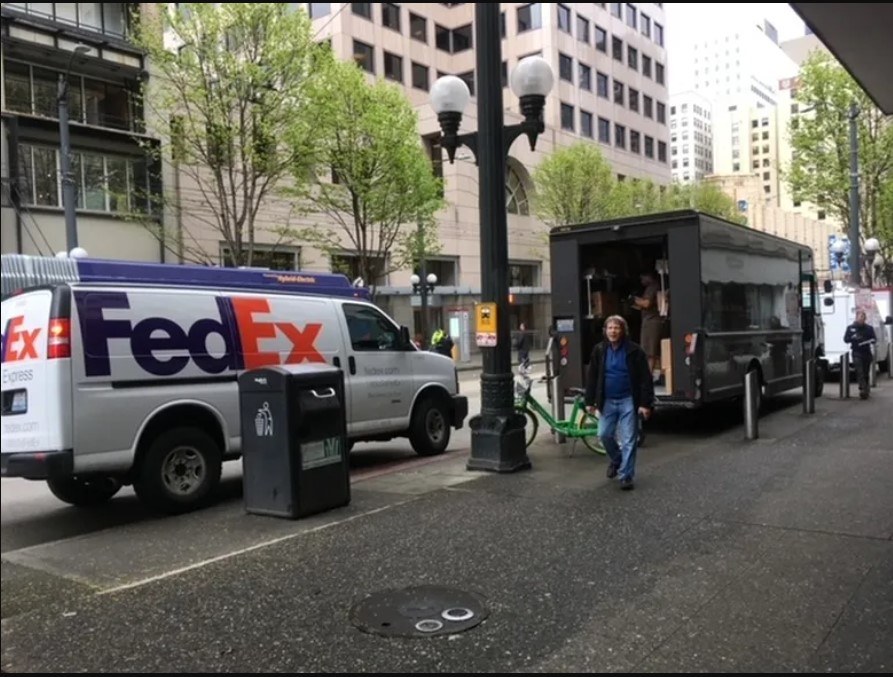
In the age of e-commerce, the supply chain now stops at millions of front doors. And with that convenience comes a logistics nightmare.
Cities worldwide are being overrun by urban freight and find their streets and buildings are not designed to manage expanding fleets of trucks and vans bringing a daily flood of parcels.
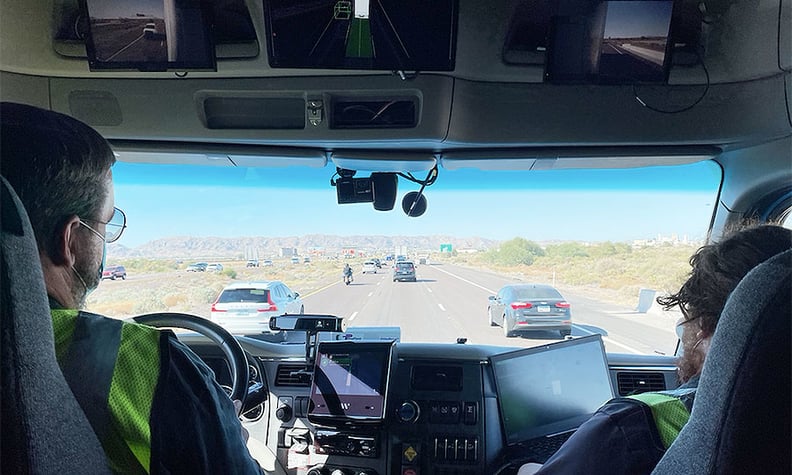
California, the birthplace and epicenter of the self-driving industry, could soon put the brakes on autonomous trucking.
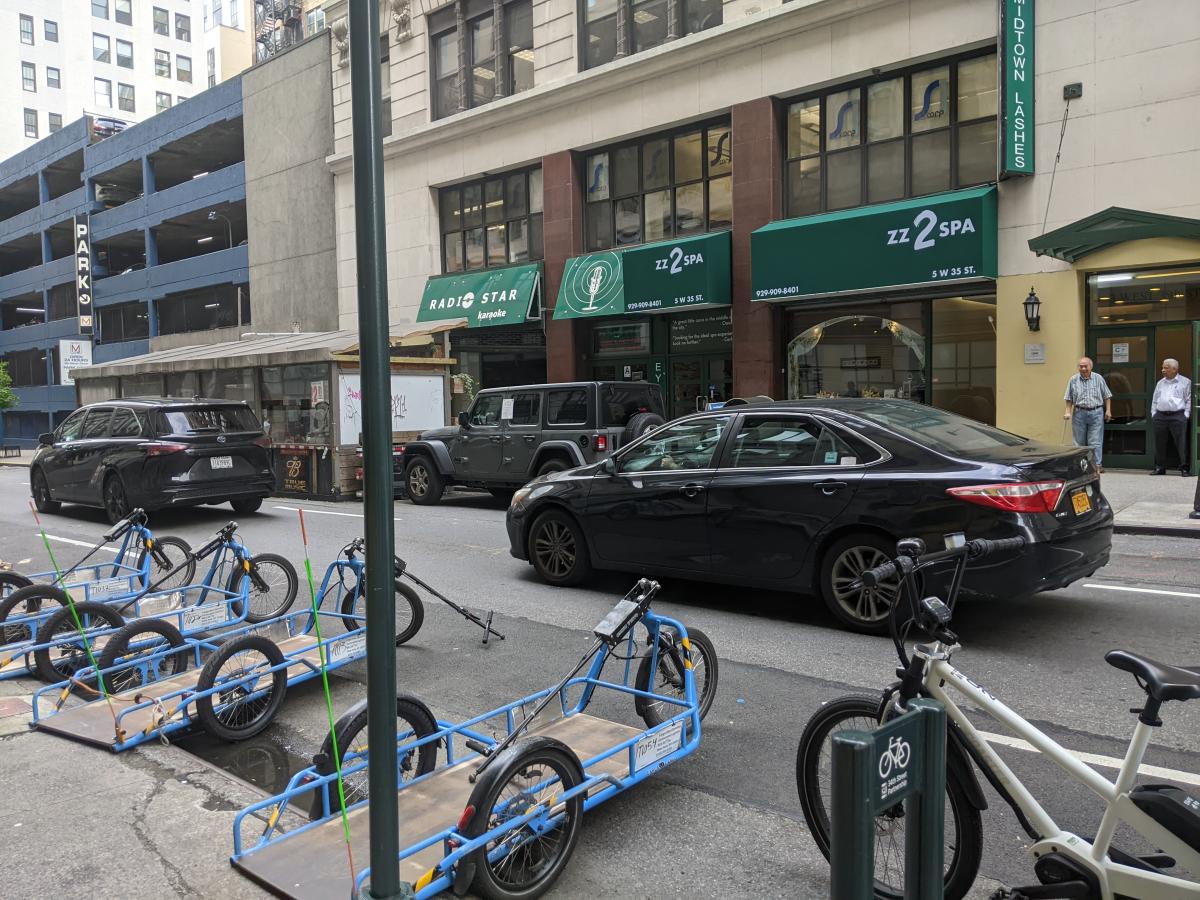
The Seattle Neighborhood Delivery Hub was a multi-faceted testbed for urban delivery solutions, located in Seattle’s dense Uptown neighbourhood. It brought together various delivery technologies, including route optimisation tools.
During the short-term pilot, which ran for just under four months, a cargo bike was used for local last mile delivery.
“One of the areas the industry needs to develop in is the tools and technologies for a diverse fleet,” explains Dr Anne Goodchild, Director of the Urban Freight Lab at the University of Washington.
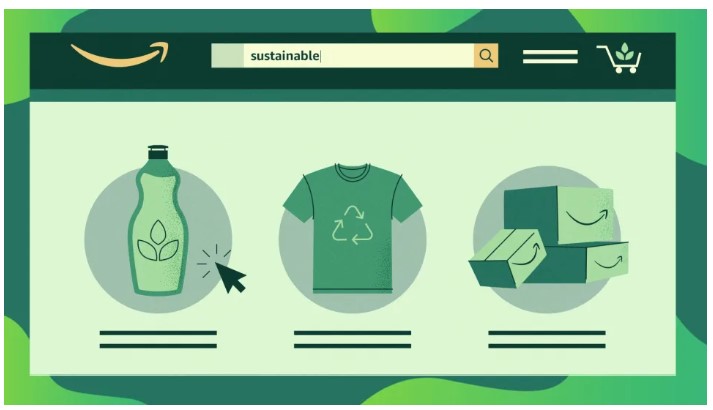
Dr. Anne Goodchild, director at Urban Freight Lab at the University of Washington, says sustainability certification badges feature can be useful to online shoppers, but to remember that it’s not the be-all end-all. “Of course these certifications are imperfect,” Goodchild says, “but they provide some assistance to shoppers looking for easier access to information.”
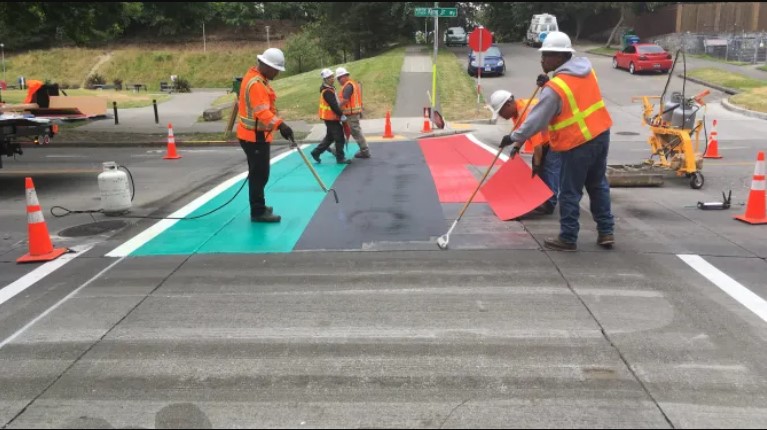
The second federal SMART grant of $2 million was awarded to SDOT to establish a digital commercial vehicle permits pilot program through a collaboration with the University of Washington’s Urban Freight Lab (UFL) and the Open Mobility Foundation (OMF).
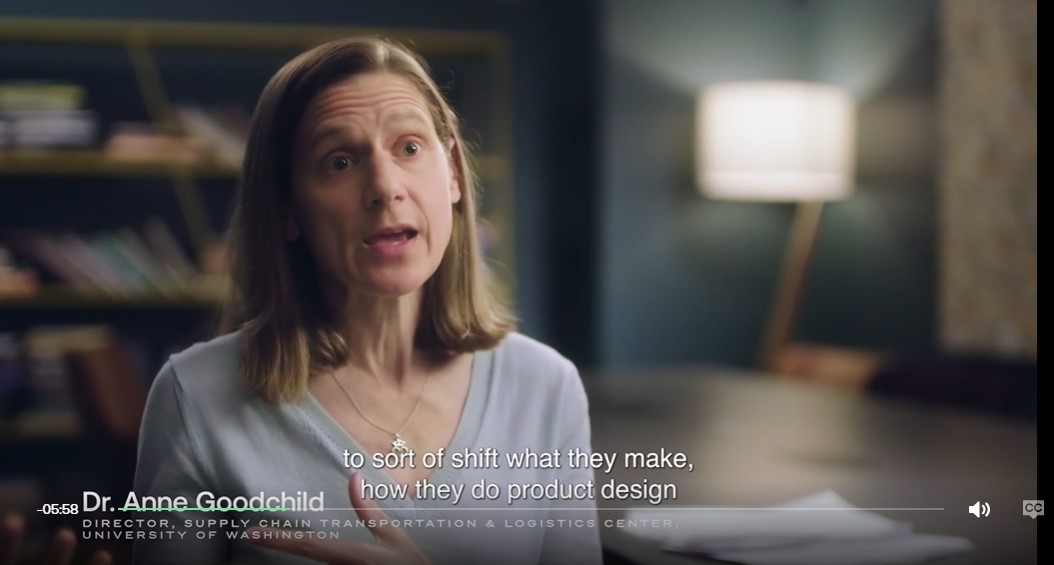
Learn how Amazon innovated both vehicle and infrastructure design, and are working with Rivian to get 100,000 electric delivery vehicles on the road by 2030. The Future Forward docuseries features people and businesses pioneering innovation on the front line of climate change across industries — from transportation and construction to agriculture and water — including our director, Anne Goodchild.