In the Media
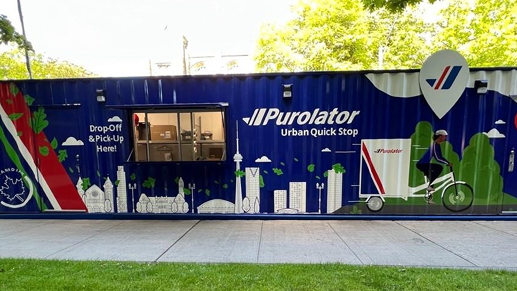
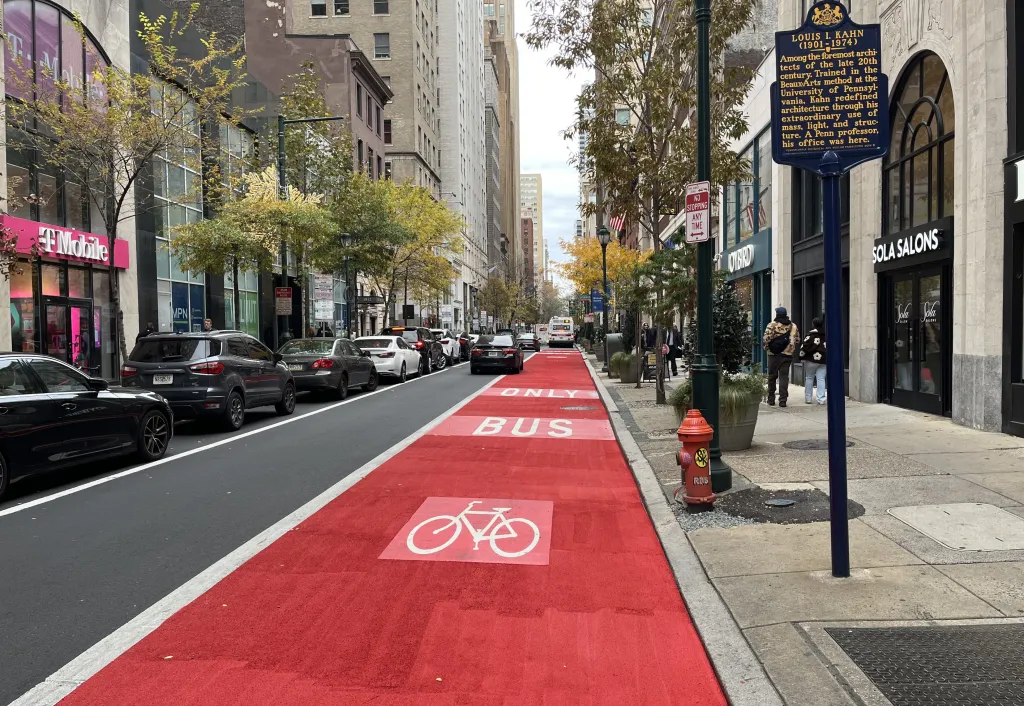
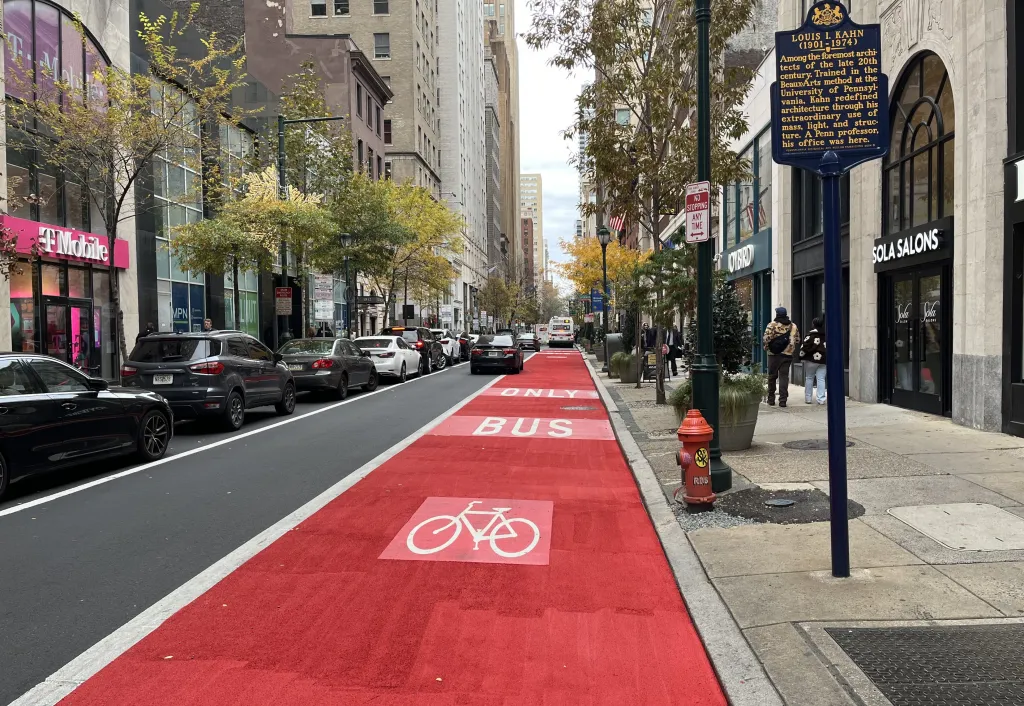
The meteoric rise of e-commerce has created a battle for curb space in many cities, leading to an array of strategies to address the abundance of deliveries. A panel of researchers offered a glimpse of various urban delivery strategies employed across North America during the NJTPA’s Freight Initiatives Committee meeting in August.
“It’s really exciting,” said Giacomo Dalla Chiara, an urban freight management researcher at the University of Washington.
The shift to weekend-only operations through the winter mirrors a recommendation made by the University of Washington’s Urban Freight Lab (UFL), which conducted interviews and surveyed both merchants and visitors over the course of this year.
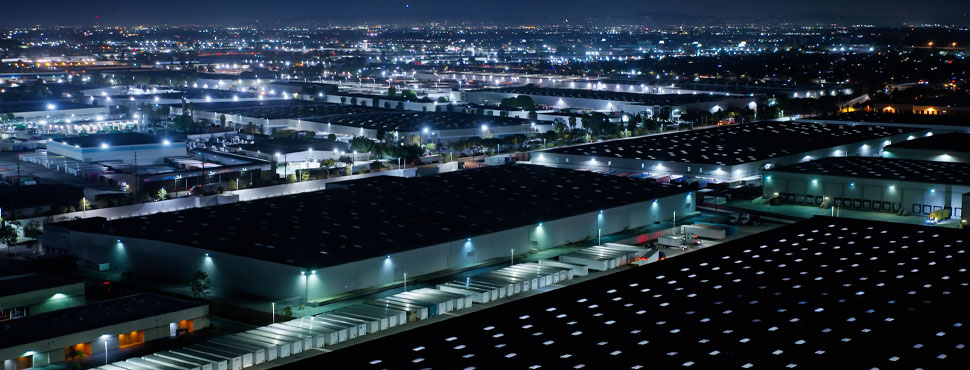
Warehouse and distribution centers are now the dominant commercial and industrial land use in the United States. Despite high demand for one-day delivery, many balk at sharing a backyard with an Amazon logistics center.
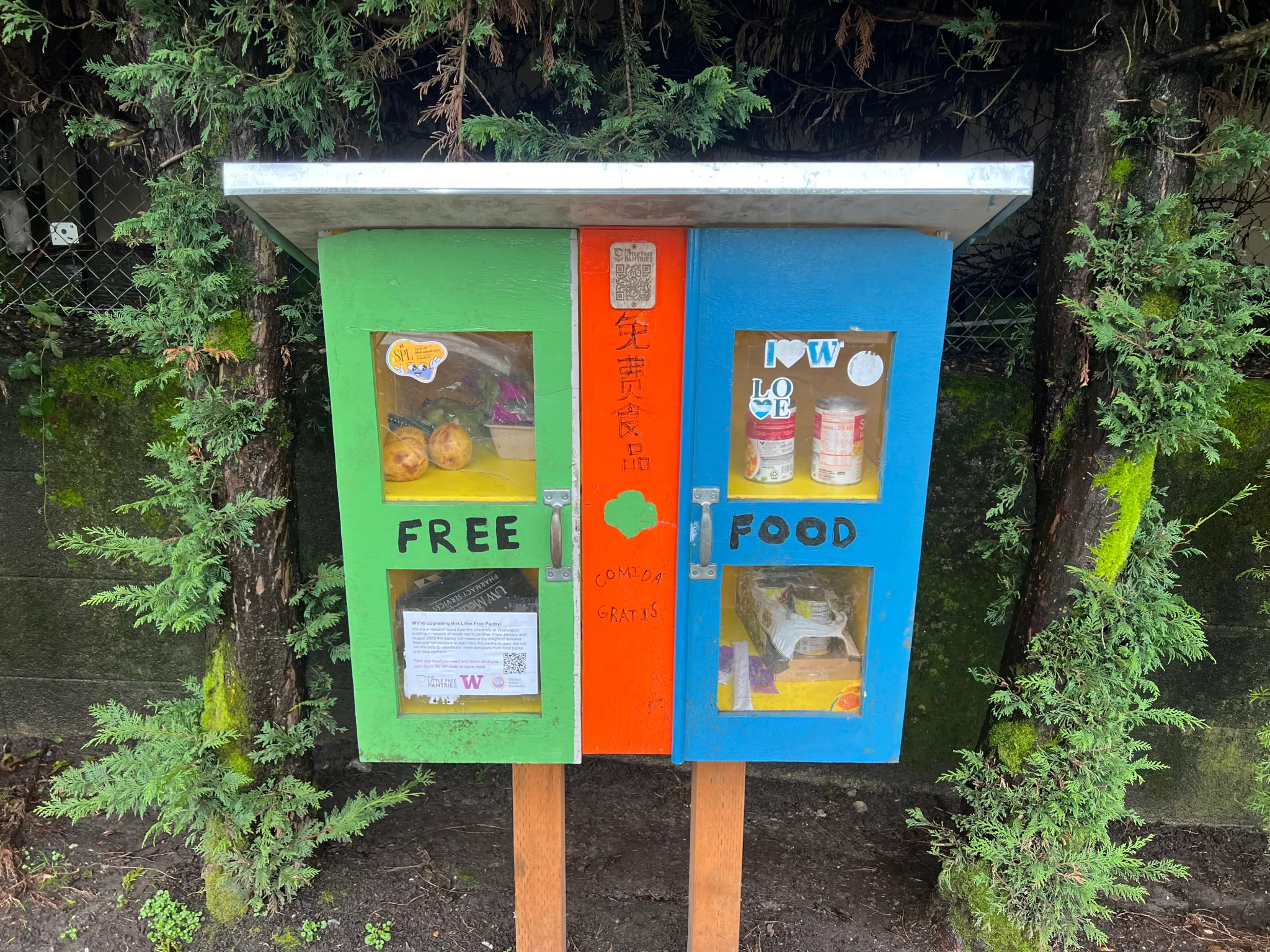
As part of a trial program, local Little Free Pantries have been fitted with electronic weights and door sensors. The door sensors send an alert any time the pantry is opened to track its use.
The colorful, hand-built little free pantry in front of St. Paul’s Episcopal Church in Seattle’s Uptown is more than it appears. Soon, it will play a larger role in meeting the growing need of the region’s hungry, thanks to a tech upgrade by a University of Washington scientist and the goodwill of Seattleites.
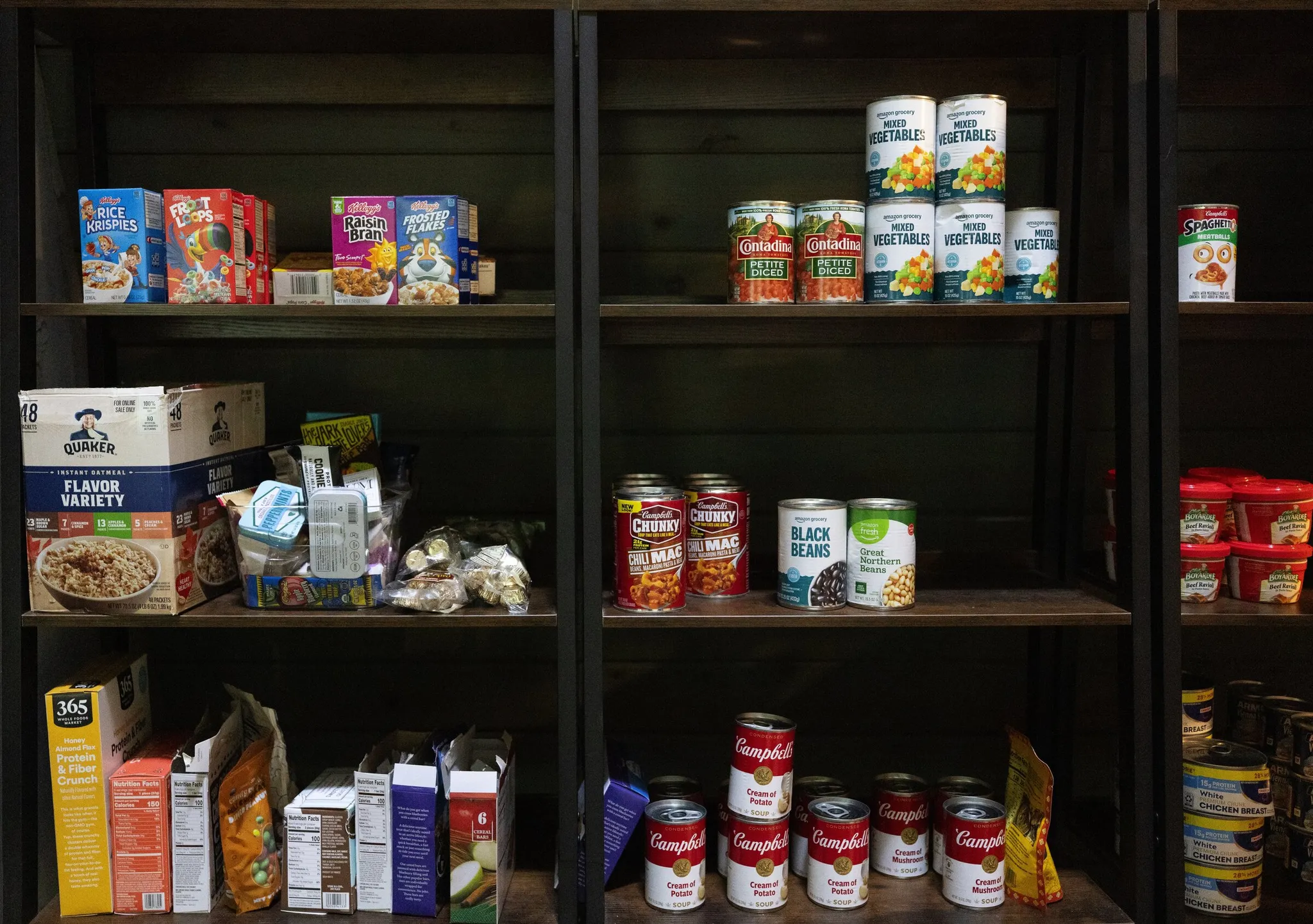
A team of researchers at UW created a digital tool that will help Seattleites locate and monitor their local micropantries, also known as Little Free Pantries, in a collaborative and community-focused process. These completely free pantries or fridges are reliant on community donations and aim both to fight food insecurity and combat food waste.
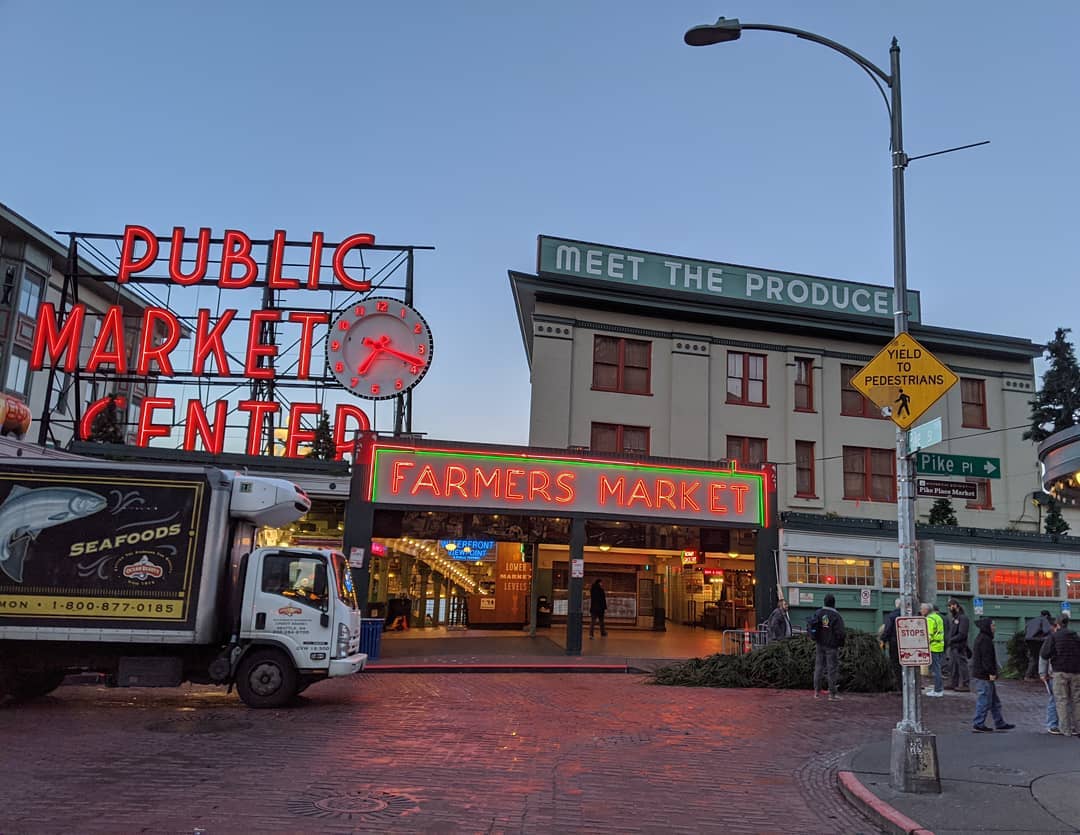
The Pike Place Market Preservation and Development Authority (PDA) has partnered with the University of Washington’s Urban Freight Lab to launch a visitor survey focused on how locals access and use the Market. Organizers say the survey is intended to help understand how street management changes affect people who visit, live, and work at the Market.
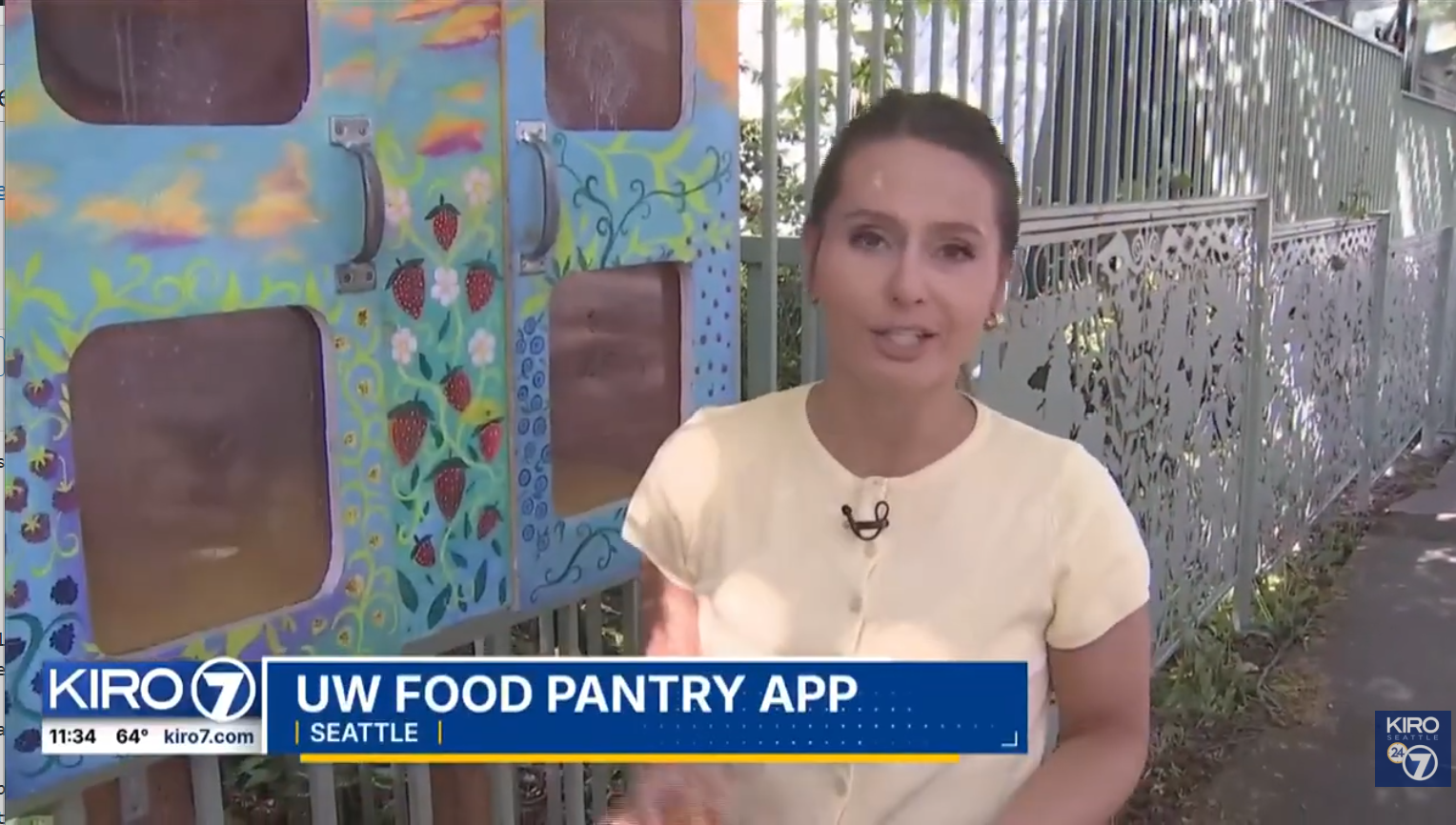
A new way to find free food options in your community is finally up and running. University of Washington Urban Freight Lab researchers launched a “pantry map” to easily show where and when food donations are available.
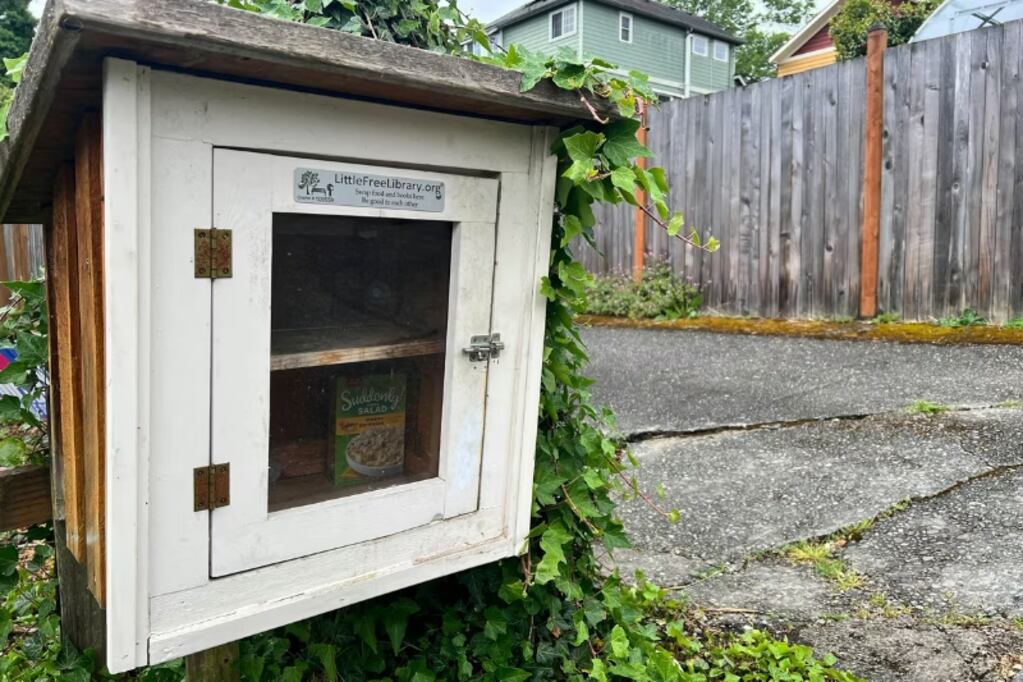
Little Free Pantries, aka micropantries, began popping up around Seattle during Covid pandemic shutdowns, and many have continued to operate. So many, that there’s now a map for that —PantryMap.org — run by researchers at the University of Washington.
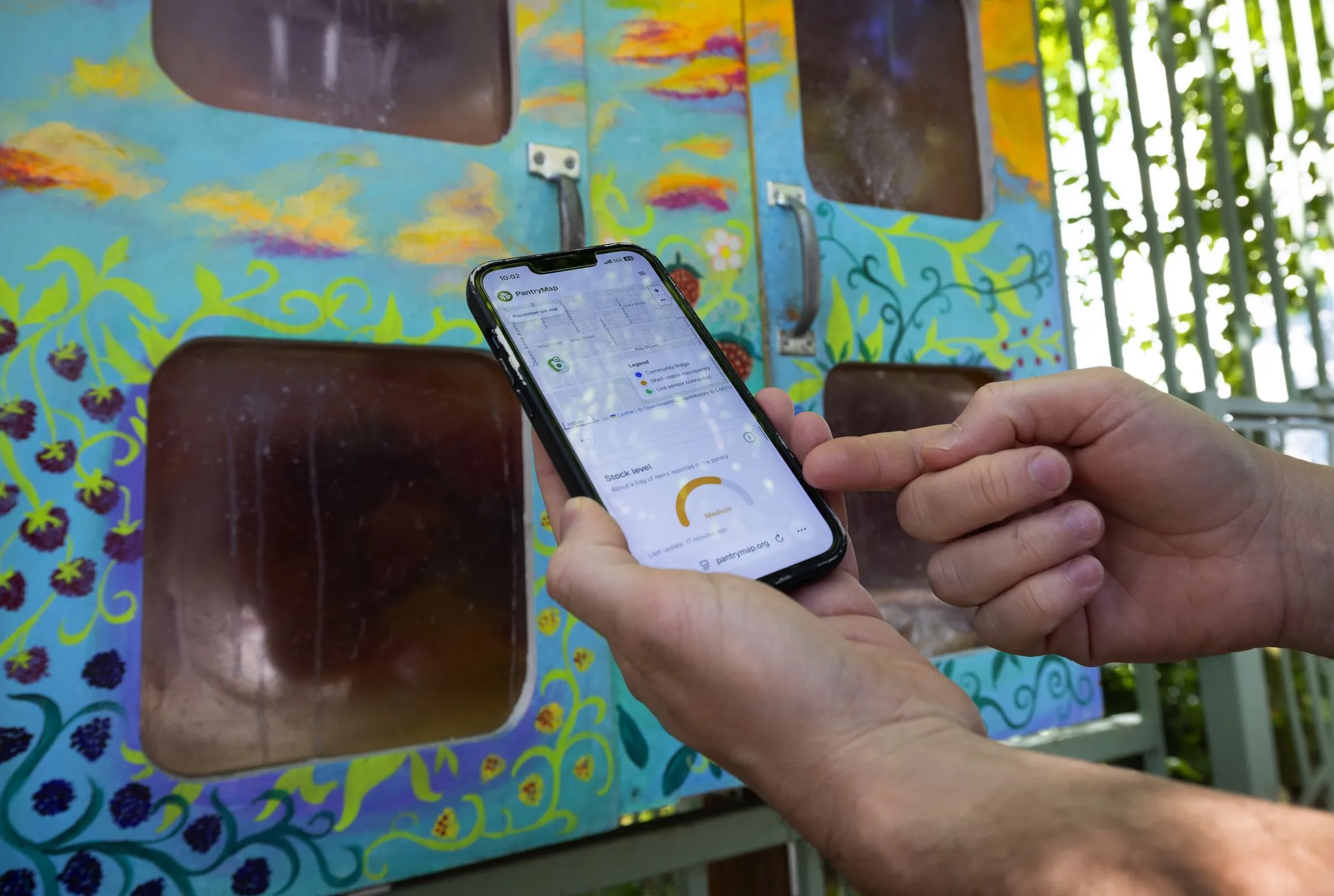
Researchers at the University of Washington just launched an app to help people find and fill the pantries. They’re hoping to reduce food waste and make these “micropantries” more efficient.
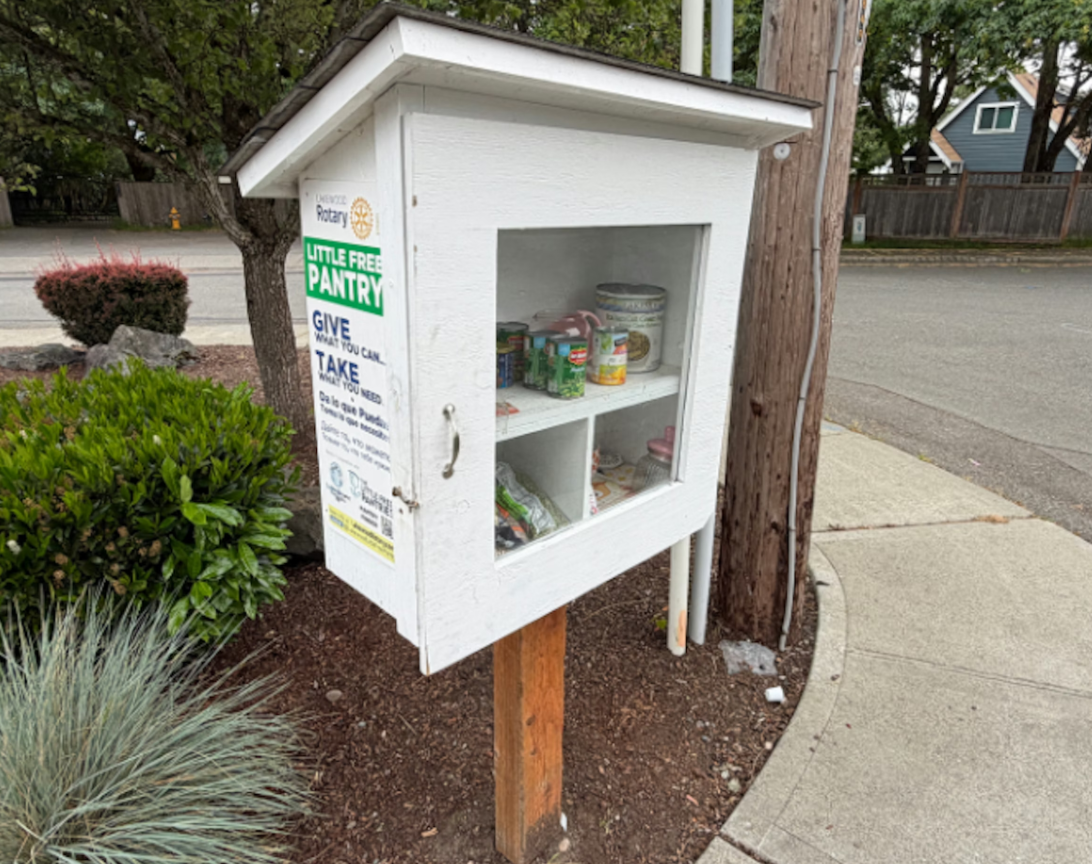
Little Free Pantries, aka micropantries, began popping up around Seattle during Covid pandemic shutdowns, and many have continued to operate. So many, that there’s now a map for that —PantryMap.org — run by researchers at the University of Washington.
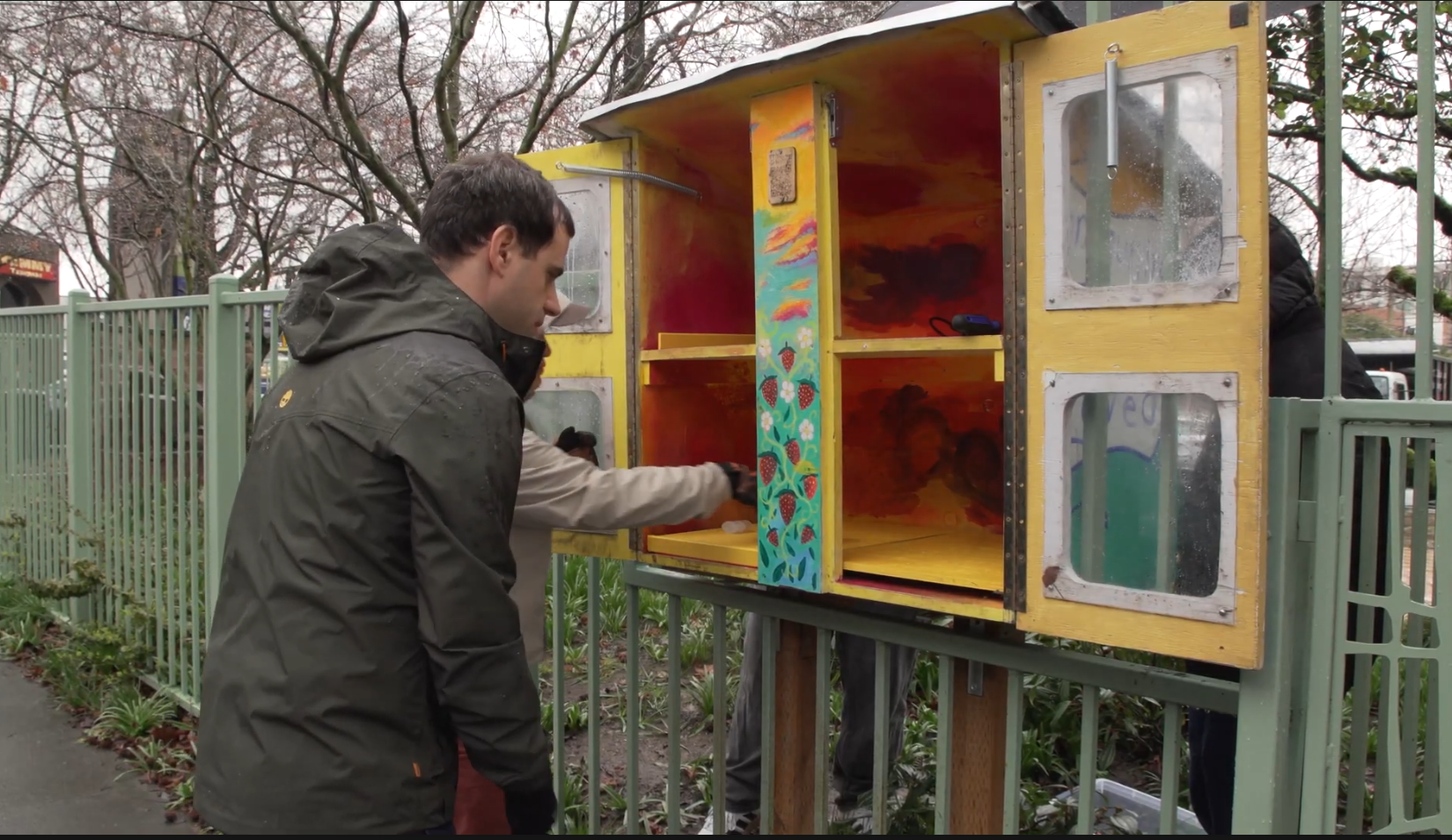
A new University of Washington project maps Little Free Pantries around the Seattle area, making it easier to find and donate to the community-run food cupboards.
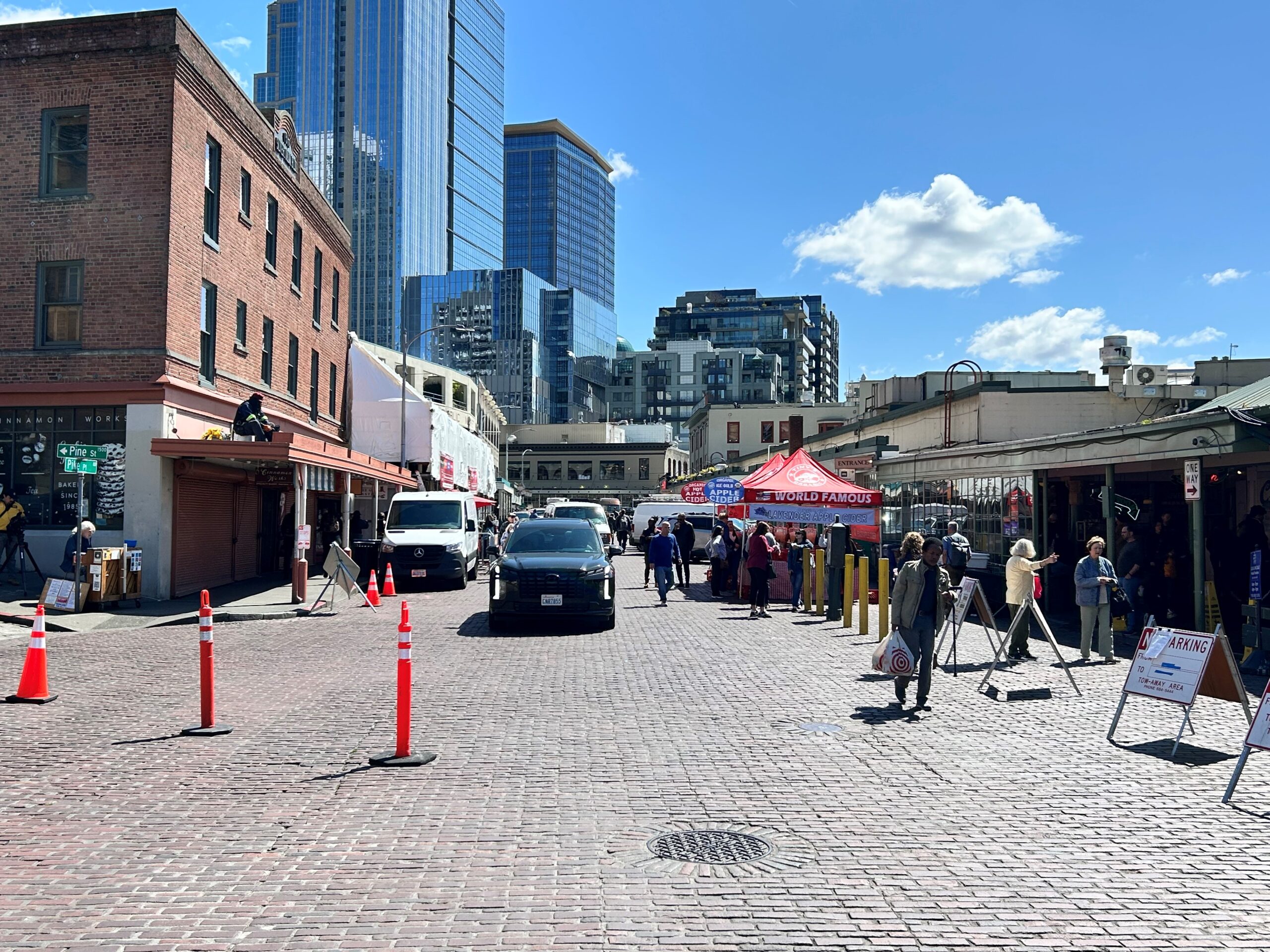
Researchers plan to analyze traffic camera data, merchant feedback and visitor survey responses to develop recommendations for future street operations balancing pedestrian safety, deliveries, emergency access and overall visitor experience.
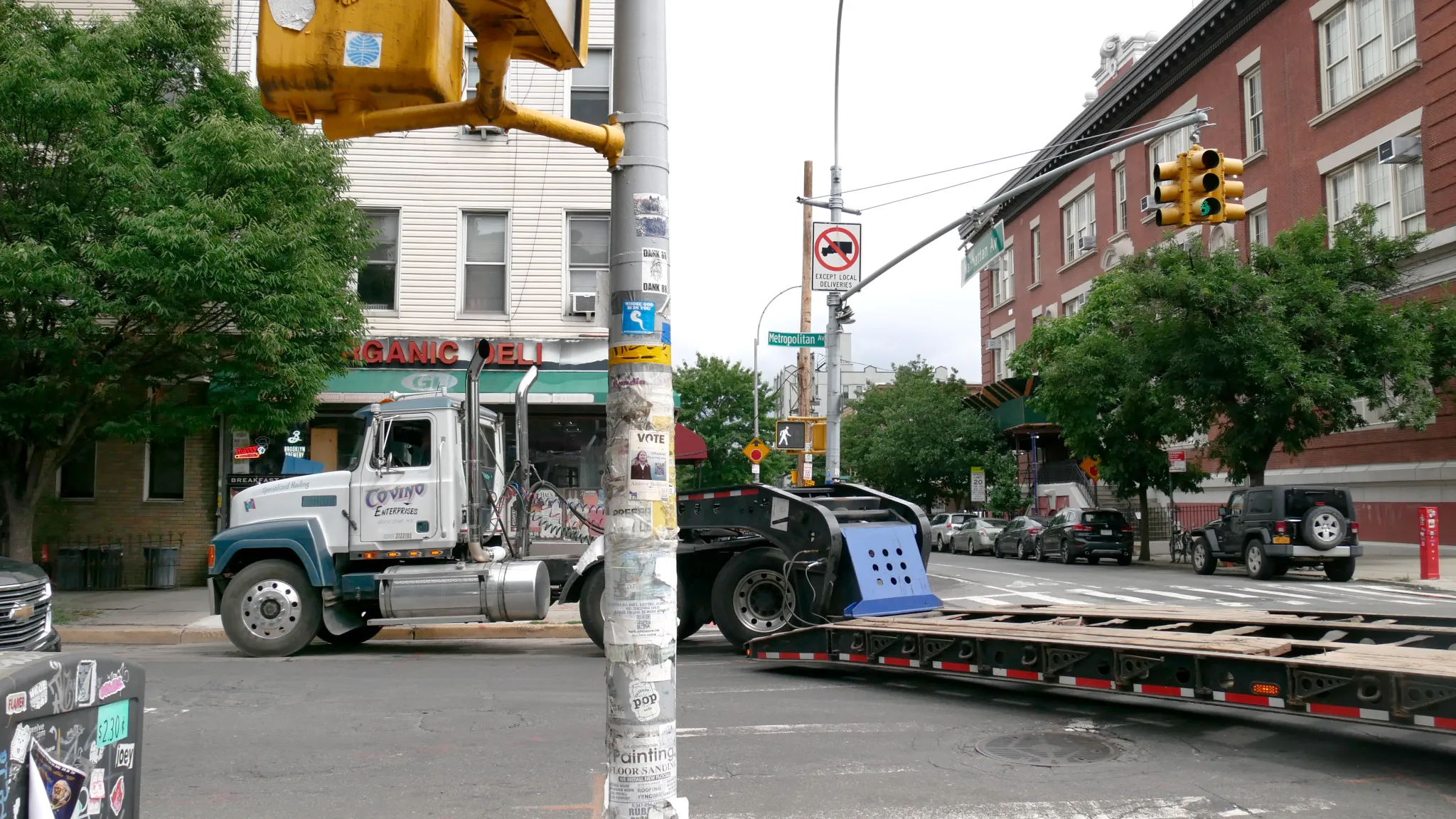
“There’s a basket of different types of interventions,” said Travis Fried, a research engineer at University of Washington’s Urban Freight Lab. “[They] range from things that private companies can do, things that local and state policy can do, to things that consumers ourselves can do.”