In the Media

If cities do not act quickly to revamp the way they manage increasing numbers of commercial vehicles unloading goods in streets and alleys and into buildings, they will drown in a sea of double-parked trucks.
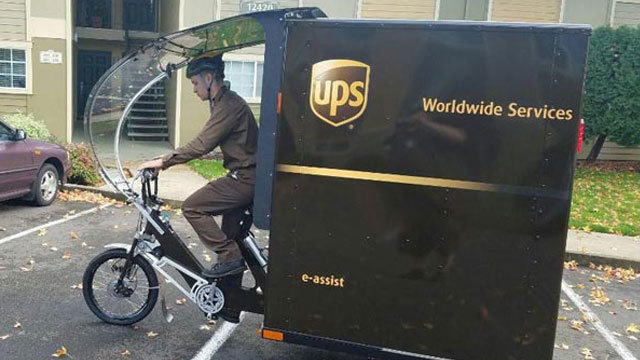
Seattle businesses have already put eBike delivery to the test and are currently using them to deliver packages. Freewheel, for example, uses their own eBikes to deliver around Seattle. The city has also pledged $285,000 to UW’s Urban Freight Lab, The Seattle Times reports. The money will be used to test out new methods of delivery, such as eBike systems. Costco, UPS and Nordstrom are contributing to the lab as well.
SCTL Center Director Anne Goodchild discusses the Urban Freight Lab in this podcast with the American Society for Engineering Education (ASMEE).
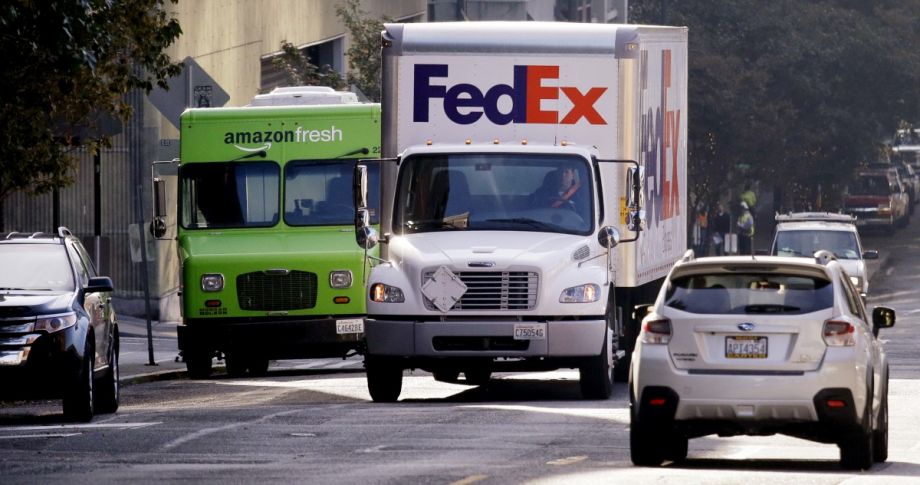
In a city such as Seattle, where the population is also rapidly growing and streets and sidewalks are increasingly crowded, freight delivery becomes a complex and expensive proposition for companies and a potential source of conflict for other road users. Those issues of efficiency and safety are at the heart of the University of Washington’s new Urban Freight Lab.
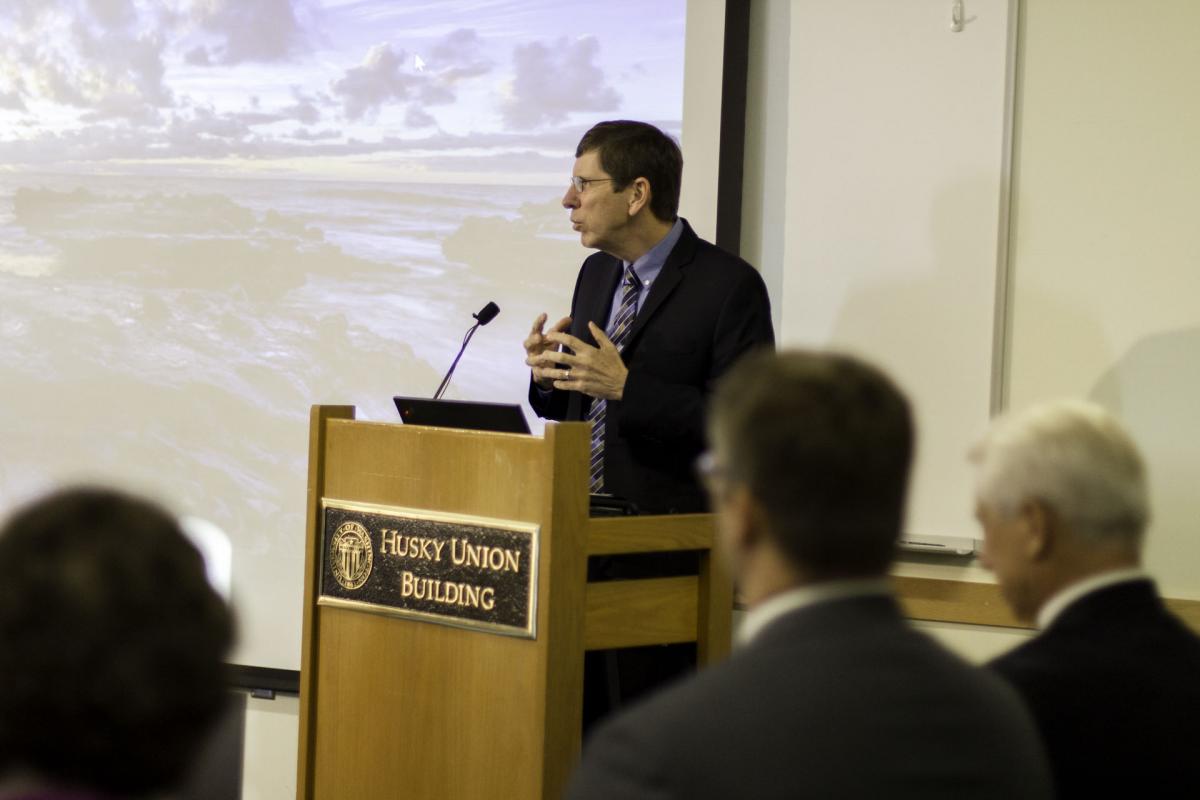
The new Urban Freight Lab will use the area in and around downtown Seattle as a “living lab” where researchers will gather data on the “final 50 feet” of deliveries, referring specifically to tricky curbside parking that’s created problems in urban centers across the country.
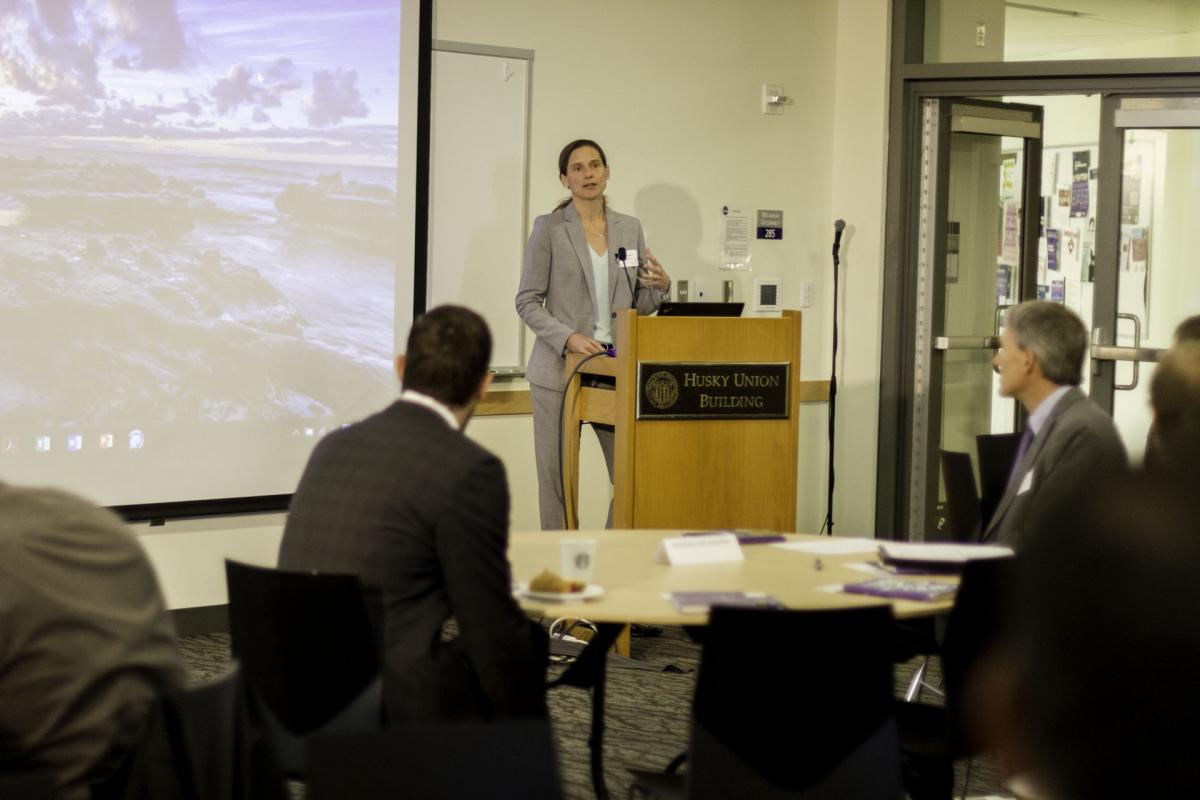
The Urban Freight Lab will look at ways to help businesses deliver goods in cities, and help cities better manage the limited space along their streets.
A new University of Washington research center, the Urban Freight Lab, is working with shipper United Parcel Service, retailers Costco and Nordstrom, and the Seattle Department of Transportation to study urban product delivery challenges. It’s only logical that this effort is taking place in Seattle, the hometown of Amazon, the e-commerce giant who arguably sparked the current frenzy for last-mile delivery options. In its wake, a growing number of retailers and delivery startups are providing same-day delivery, sometimes in one or two hours, in communities across the world.
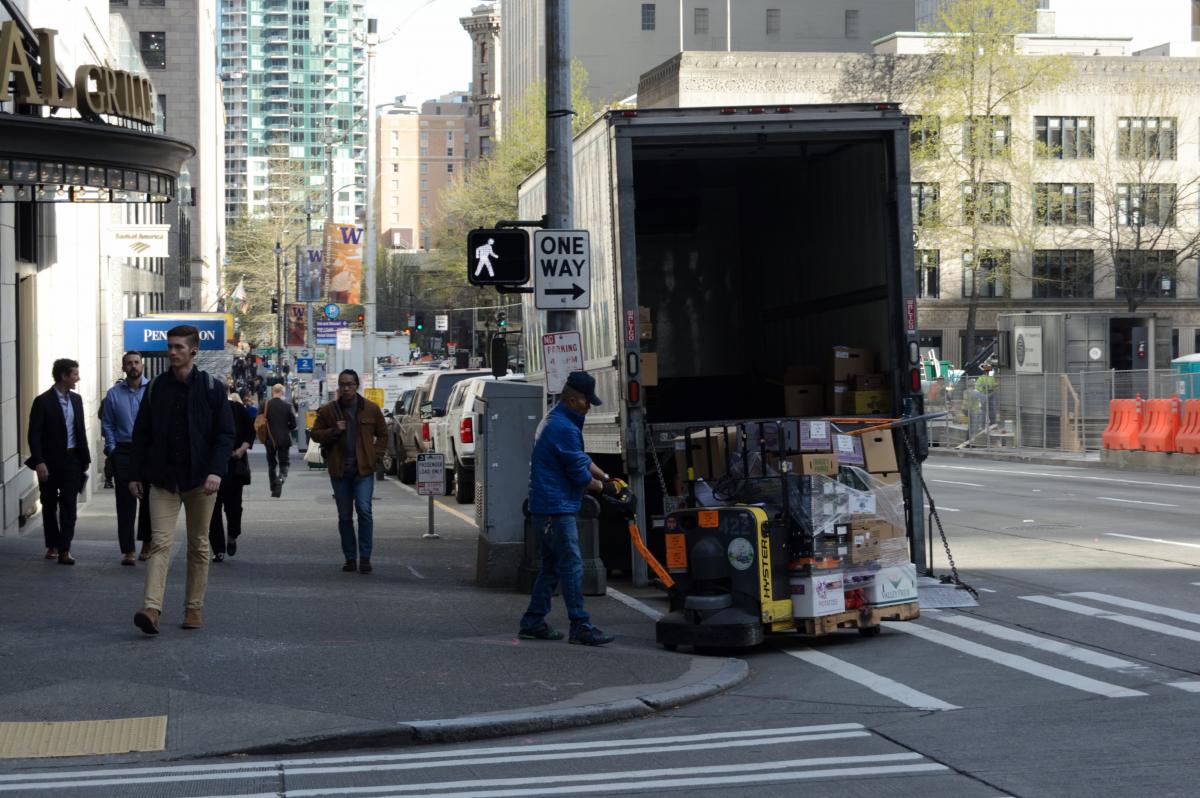
Cities and retailers are trying to figure out how to cope and compete in the age of Amazon, when customers can have almost anything they desire within one or two hours. That is where the University of Washington’s new Supply Chain Transportation & Logistics Center and its Urban Freight Lab come in.
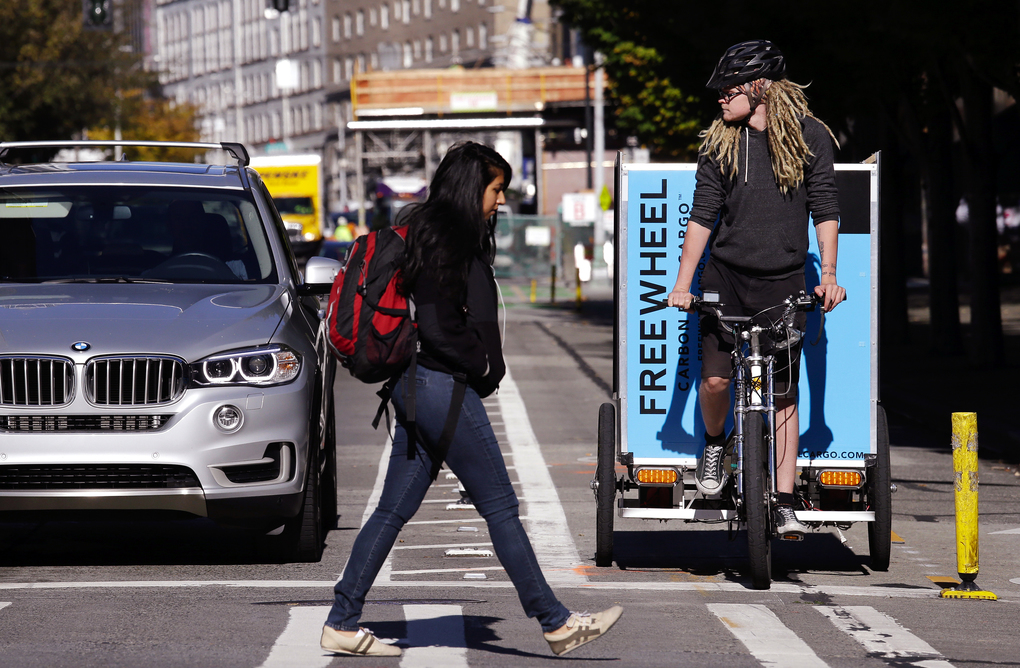
On Wednesday, the city of Seattle teamed up with the University of Washington to improve how goods are delivered in the city — solutions they hope can be used in other cities across the country.
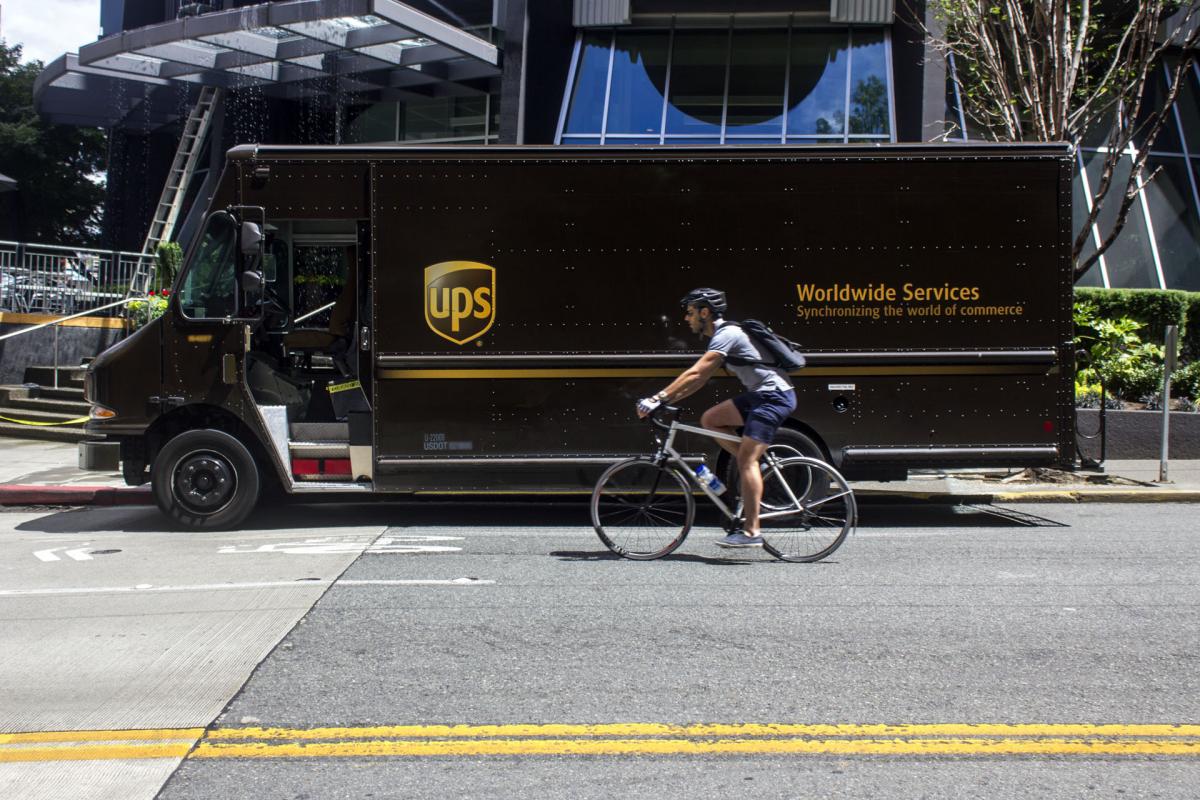
As cities like Seattle add new residents with appetites for near-instant gratification, how can businesses operating in urban environments with aggravating traffic and competition for street space meet customer expectations for quick deliveries? A new University of Washington research center announced Oct. 12 will collaborate with the Seattle Department of Transportation and three founding industry members — Costco, Nordstrom and UPS — to tackle that question and test new solutions in urban goods delivery.
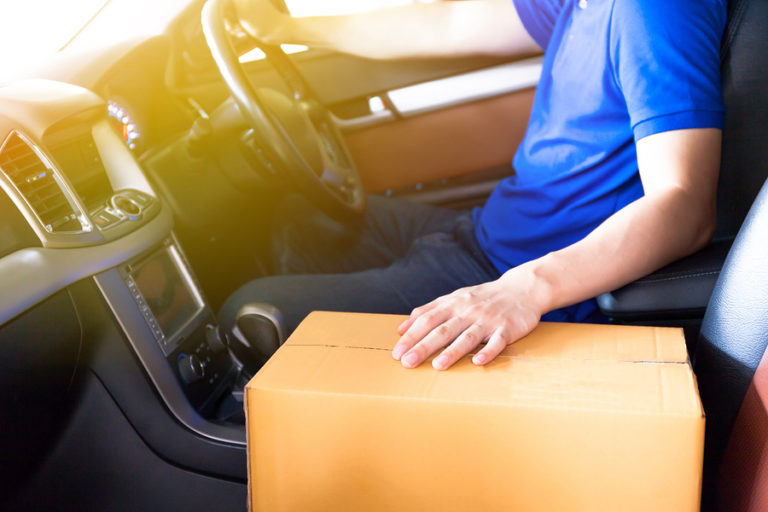
The Urban Freight Lab, part of the UW’s Supply Chain Transportation & Logistics department (SCTL), debuted on Wednesday. The lab will initially aim to figure out better ways for e-commerce companies to solve the “last mile,” or the last leg of a delivery that typically takes truck drivers through city streets, commercial vehicle load zones, and privately-owned buildings.