In the Media
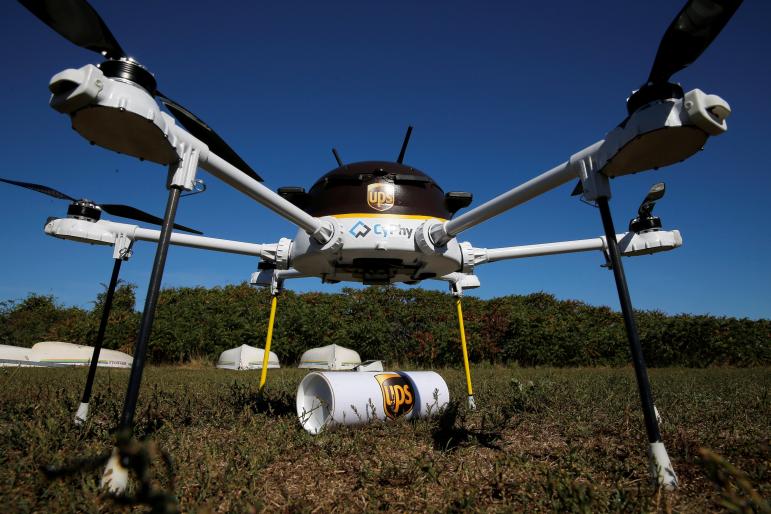
Aaccording to a study by the University of Washington, drone based deliveries may be more environment-friendly than truck deliveries: “We were surprised to find that for some realistic conditions, drones produced less CO2 per delivery than trucks. They perform better with smaller distances, and fewer packages in the truck. This is largely due to their incredibly energy efficient and lightweight design,” Anne Goodchild, associate professor of civil and environmental engineering at the University of Washington, stated.

SCTL Center Research Assistant and Ph.D. student Anna Bovbjerg Alligood developed a GIS model of fresh food delivery logistics and conducted a survey of Islanders to inform decision-making for the the creation of online marketplace Vashon Fresh, with VIGA Vashon and King Conservation District.

Anne Goodchild, associate professor of Civil and Environmental Engineering at University of Washington, told Professional Engineering: “Reducing weight in the drone has been a key engineering challenge that has been overcome to make them possible (in addition to improvements in battery technology). Nothing like this level of effort has been invested in making over-the-road trucks light and energy efficient.”
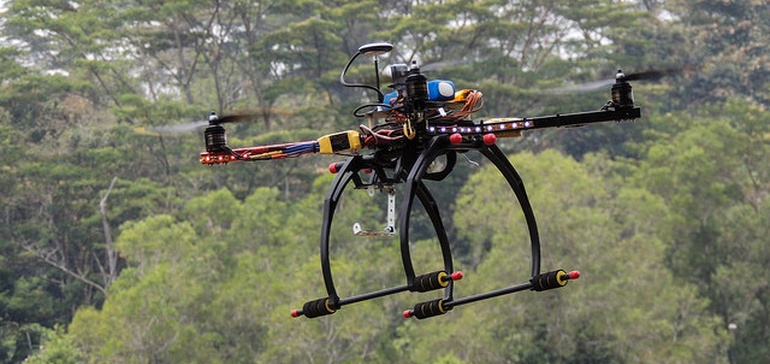
Drones are not always more carbon-efficient than trucks, although they can be, according to a recent study by two University of Washington researchers.
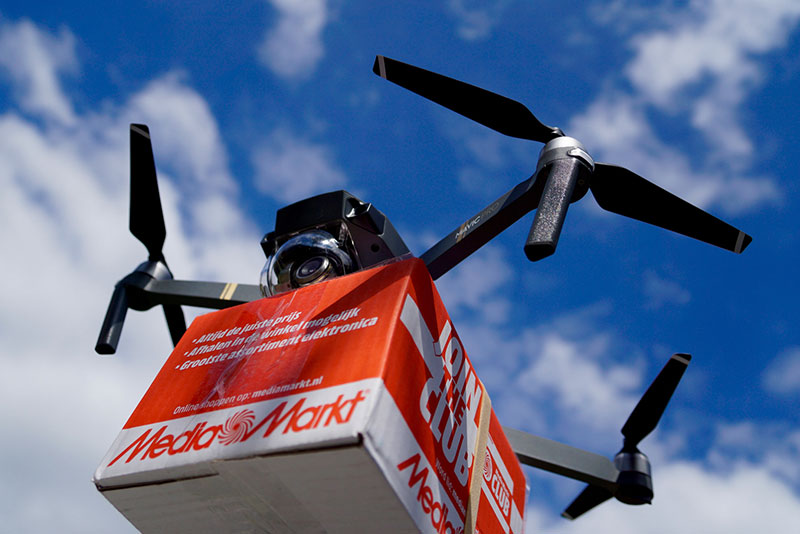
Delivery by drone sounds cool and futuristic, but when it comes to being environmentally friendly, does it really beat a truck drop-off? It depends, according to researchers from the University of Washington.
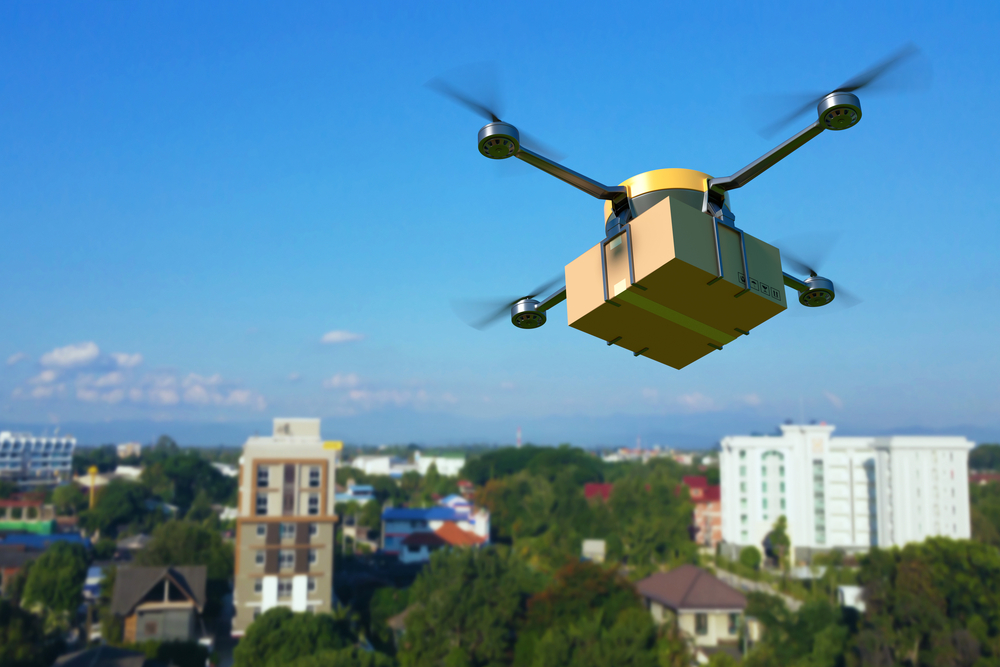
Drones emit less carbon dioxide than trucks when they don’t have to go very far for delivery or when there are fewer recipients, or both, University of Washington engineers have found.
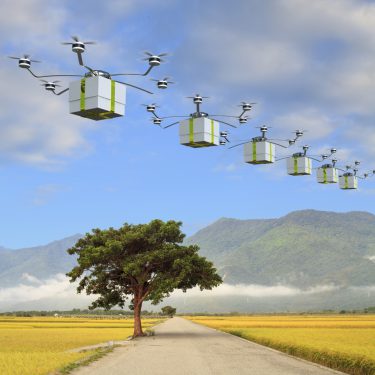
“Flight is so much more energy-intensive — getting yourself airborne takes a huge amount of effort,” says senior author Anne Goodchild, a professor of civil and environmental engineering at UW. “So I initially thought there was no way drones could compete with trucks on carbon dioxide emissions. In the end, I was amazed at how energy-efficient drones are in some contexts. Trucks compete better on heavier loads, but for really light packages, drones are awesome.”
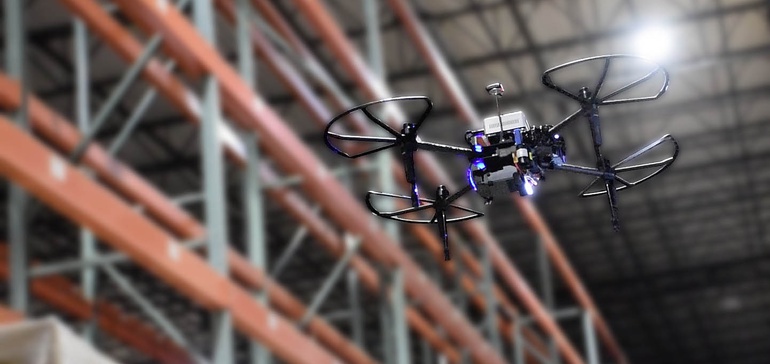
Research by the University of Washington says even fleets of drones paired with trucks may be the most efficient system.

Barbara Ivanov promotes and facilitates practical research results, both as Director of the Urban Freight Lab at the University of Washington (UW) and as Chief Operating Officer of the Supply Chain, Transportation, and Logistics Center.
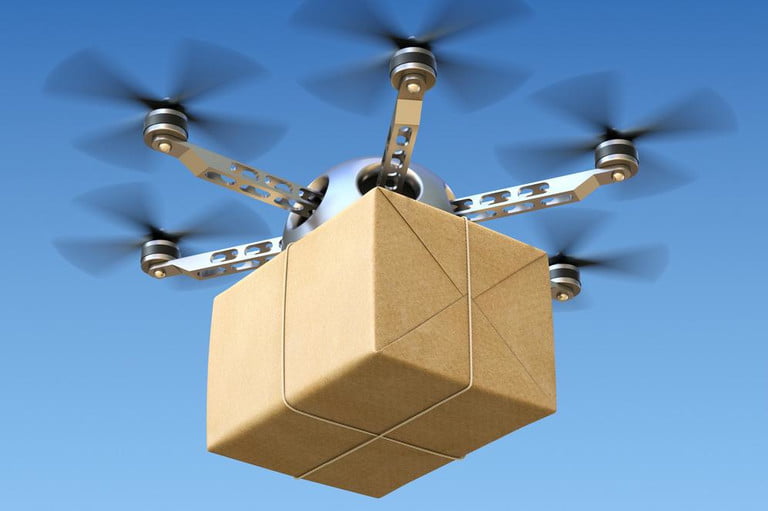
In a new study carried out by transportation engineers at the University of Washington, researchers compared the carbon dioxide emissions of delivery drones against trucks when both were being used to deliver packages. Which is better for the environment? The answer is different than what you might expect.
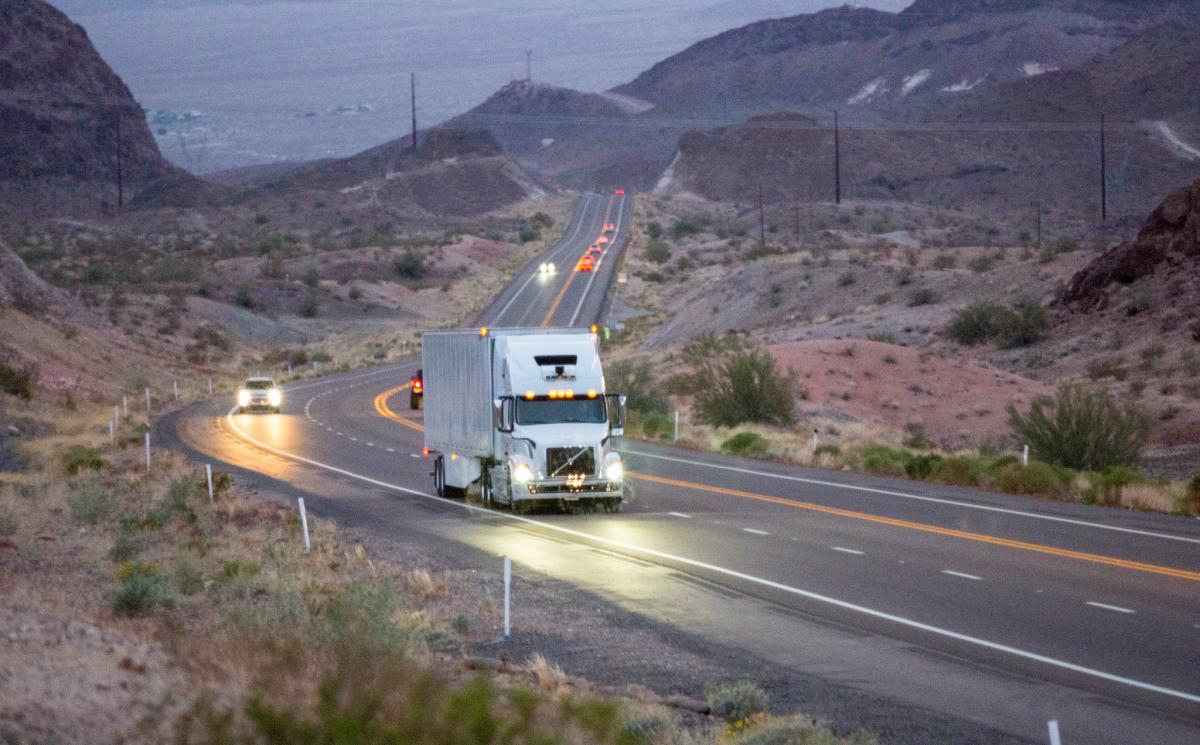
Delivering packages with drones can reduce carbon dioxide emissions in certain circumstances as compared to truck deliveries, a new study from University of Washington transportation engineers finds.
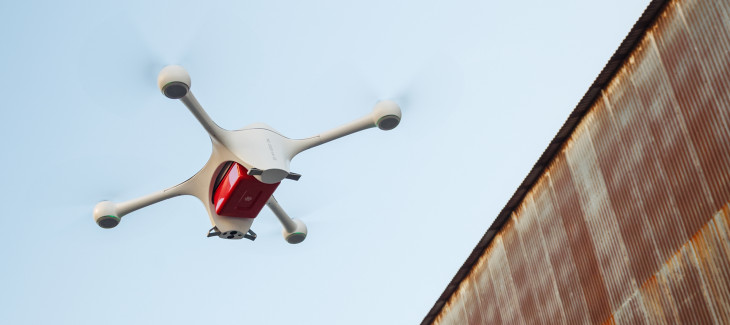
A new study from University of Washington researchers indicates that drone delivery may indeed lead to a lower carbon footprint — if it’s done properly. “I was amazed at how energy-efficient drones are in some contexts,” said Anne Goodchild, who led the research.
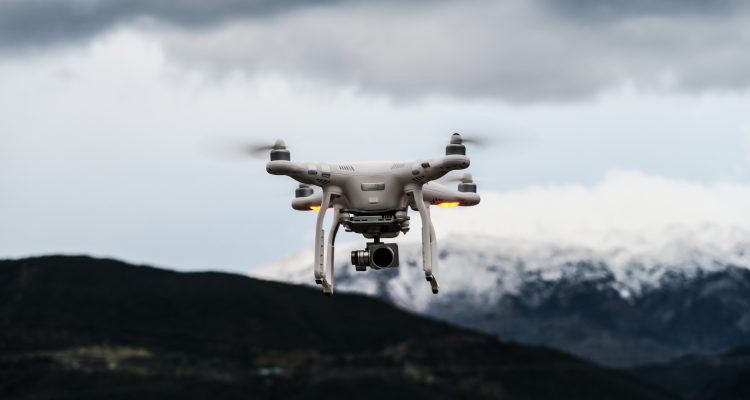
A new University of Washington study has revealed that making deliveries with drones is better for the environment than using trucks.
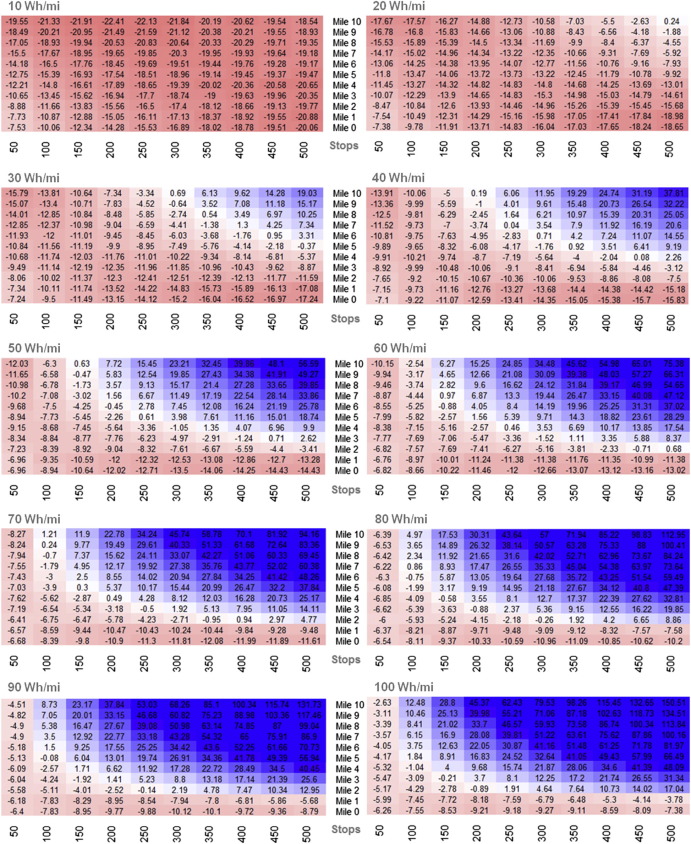
Delivering packages with drones can reduce carbon dioxide emissions in certain circumstances as compared to truck deliveries, a new study from University of Washington transportation engineers finds.
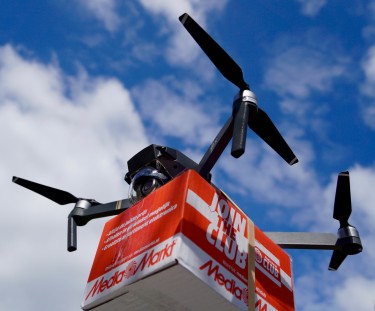
Delivering packages with drones can reduce carbon dioxide emissions in certain circumstances as compared to truck deliveries, a new study from University of Washington transportation engineers finds.