In the Media

Anne Goodchild said that a head-to-head comparison of online versus brick-and-mortar shopping is difficult to do. “It’s complicated,” she said. “If the goods still have to get from where they were made to you, it’s still making the trip. But [it is more environmentally friendly] if there are a lot of shipments in one truck making the trip. The more carpooling, the less impact and the more energy conservation.”
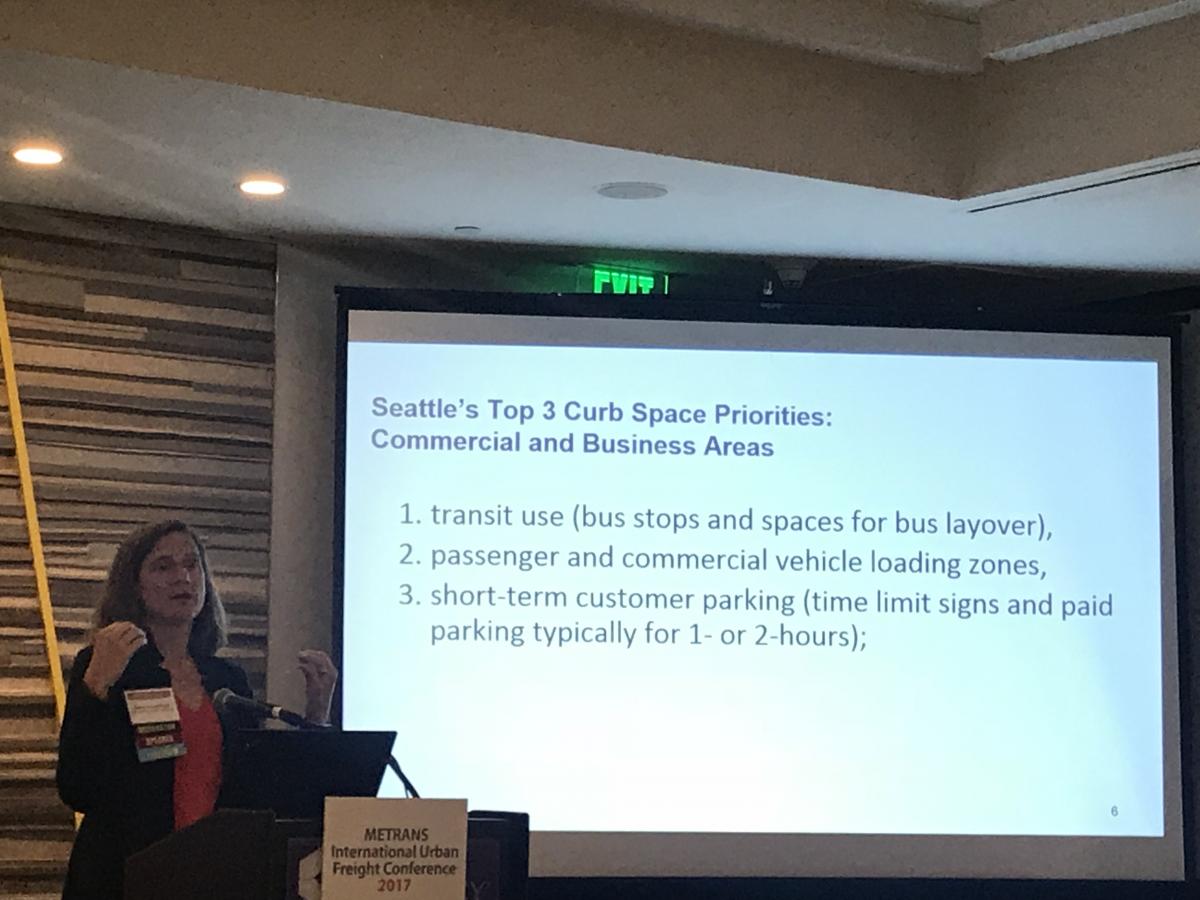
Sue Dexter, USC Price School Ph.D. student: “As a Ph.D. student focusing on freight studies, I was very impressed with the session on The Final 50 Feet of the Urban Goods Delivery System on October 20th presented by Dr. Anne Goodchild, Supply Chain Transportation and Logistics Center, University of Washington.”

A recent study from the Supply Chain Transportation and Logistics Center (SCTL) at the University of Washington found that challenges for trikes are “smaller cargo capacity, slower speeds, and severe weather conditions,” according to Measuring the Cost Trade-offs Between Electric-Assist Cargo Bikes and Delivery Trucks in Dense Urban Areas.
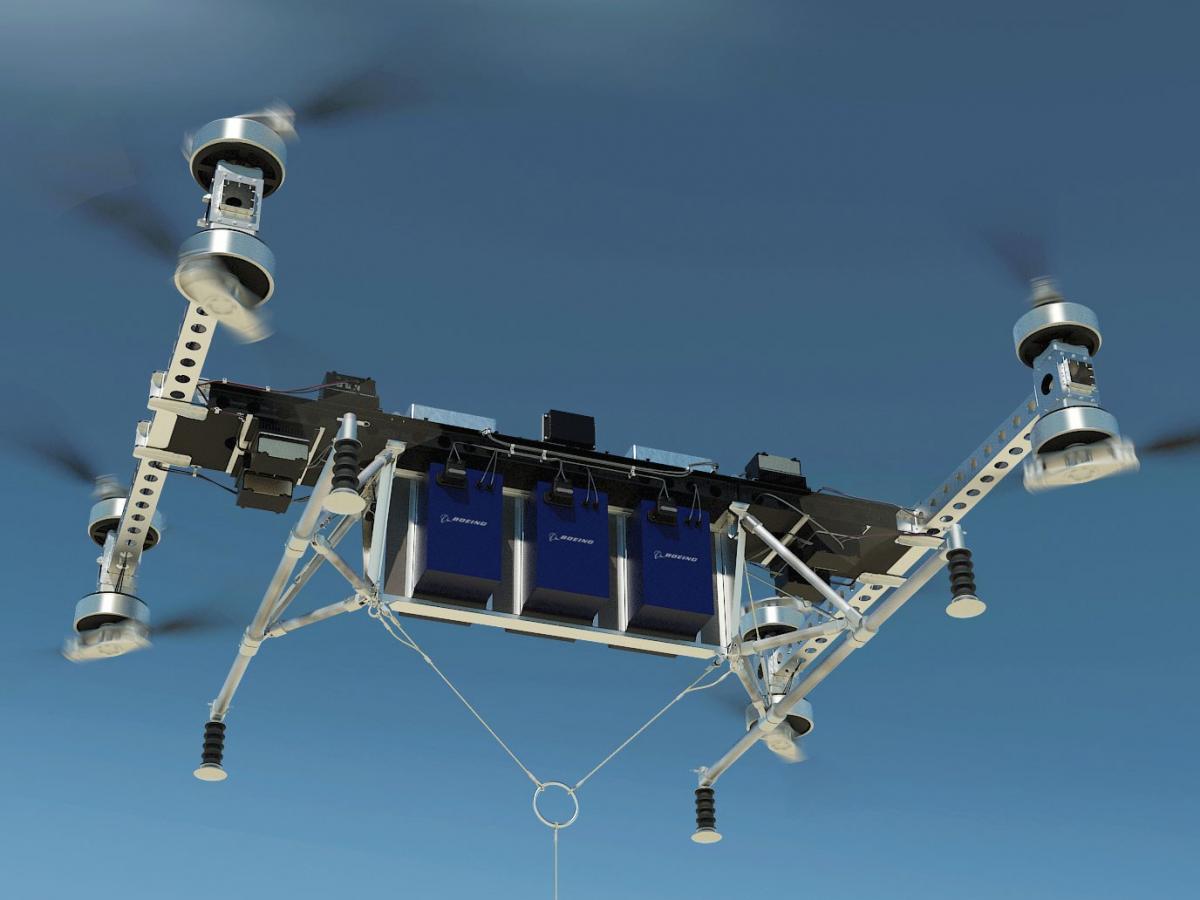
A drone made to reach places like oil rigs or islands connected to the mainland only by ferries, might be easier to get into service, says Anne Goodchild.
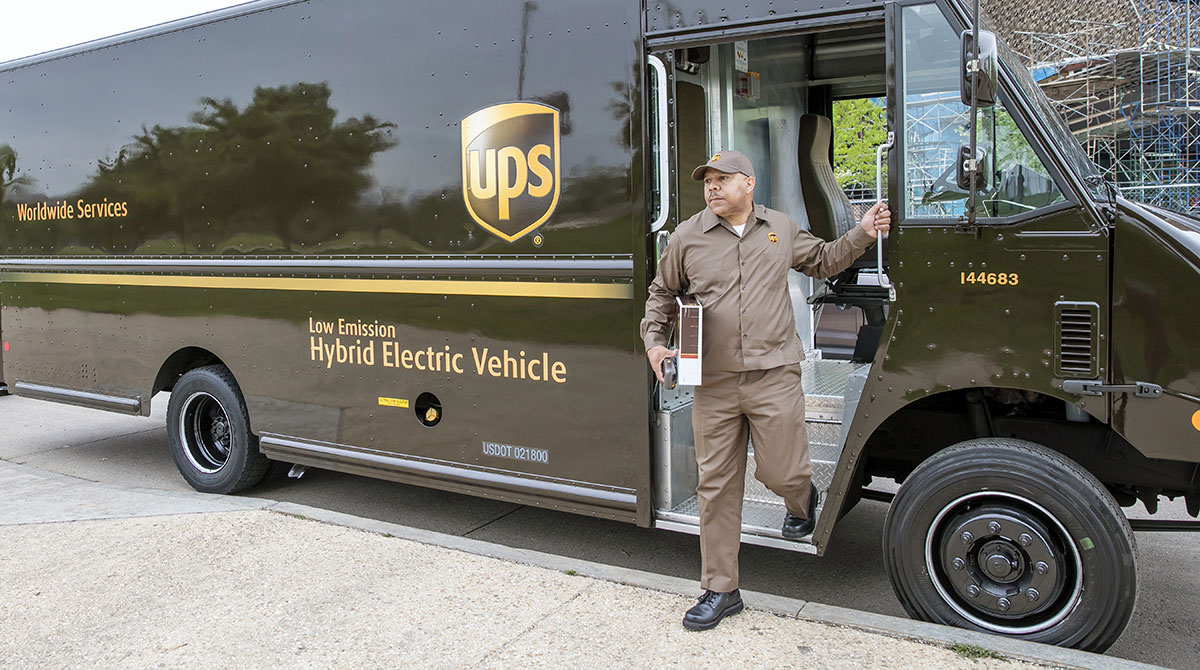
Researchers are joining major retailers, logistics firms, city transportation offices and others in the freight industry to reconsider last-mile delivery systems, even reviewing the way they get packages the “final 50 feet” in congested urban downtowns. In Seattle, the Urban Freight Lab was created in 2016 to improve the public and private operations of urban delivery systems through strategic research.
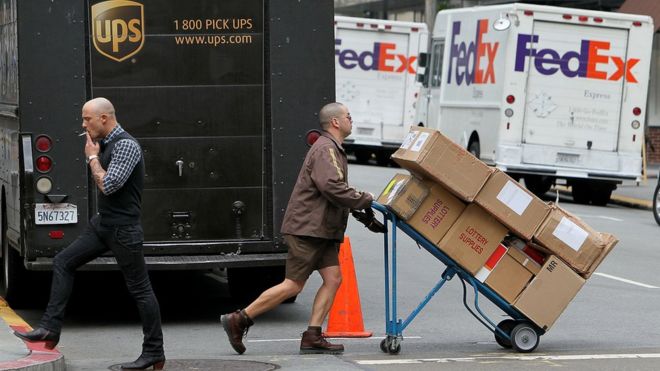
Online shopping is skyrocketing. So what are cities going to do about it? “Cities have been forced to think more about it because that’s where we see the coming together of these pressures in a real, urgent way,” says Professor Anne Goodchild, director of University of Washington’s Supply Chain Transportation and Logistics Center. “There’s been a recognition at the municipal level that this has to now be what we plan for.
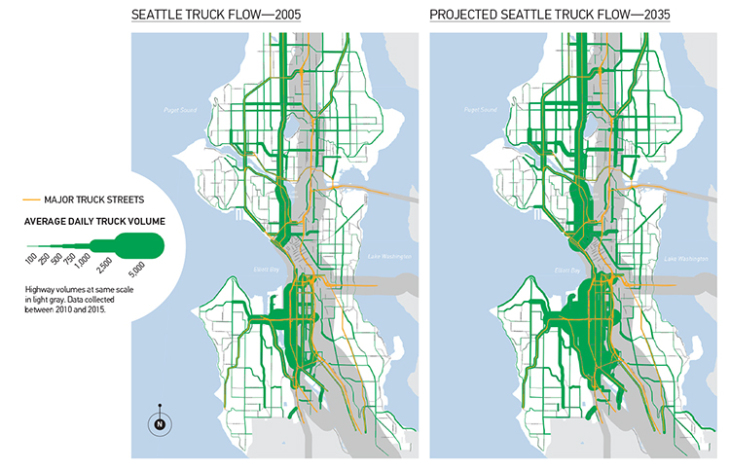
Recently, the City of Seattle partnered with the University of Washington (UW) and several major retailers to launch the Urban Freight Lab, a three-year research effort to better understand the rapidly changing landscape of goods delivery. Until now, cities have not viewed goods delivery as a system that needs to be designed, says Anne Goodchild, a professor of civil and environmental engineering and the director of UW’s Supply Chain Transportation and Logistics Center. What exists today, she says, is akin to a bus system without bus stops.
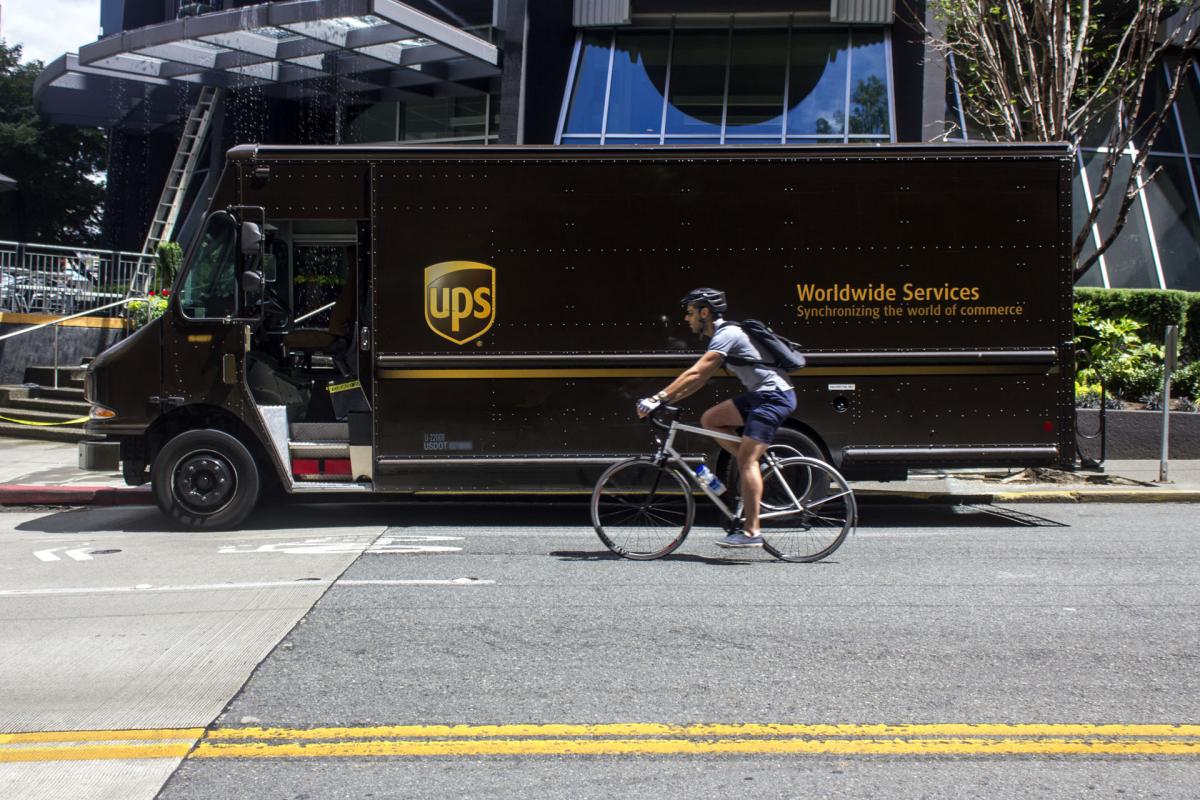
The University of Washington’s Supply Chain Transportation and Logistics Center has launched Urban Freight Lab to address Urban Delivery Challenges, as Dr. Anne Goodchild, Barbara Ivanov, Jose Machado, Gabriela Giron, and Haena Kim report.
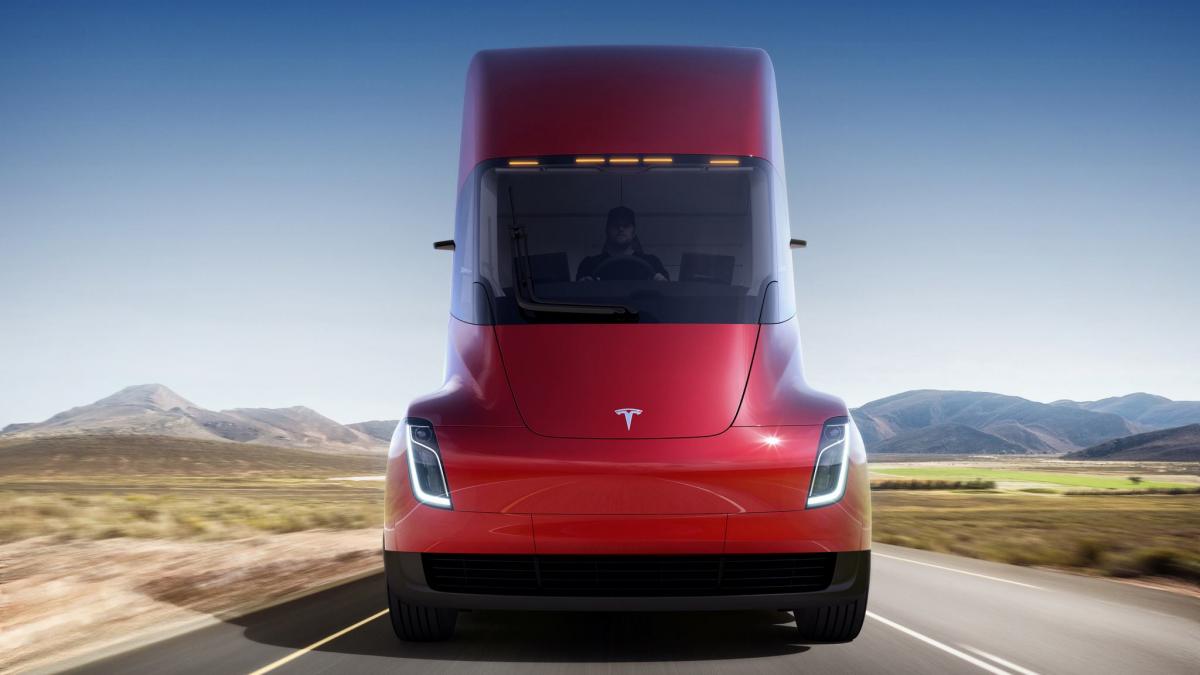
The technology is there but is the freight industry, and society, ready for the fully electric Tesla Semi? SCTL Center Director Anne Goodchild comments on the willingness of companies to experiment with automated vehicles.
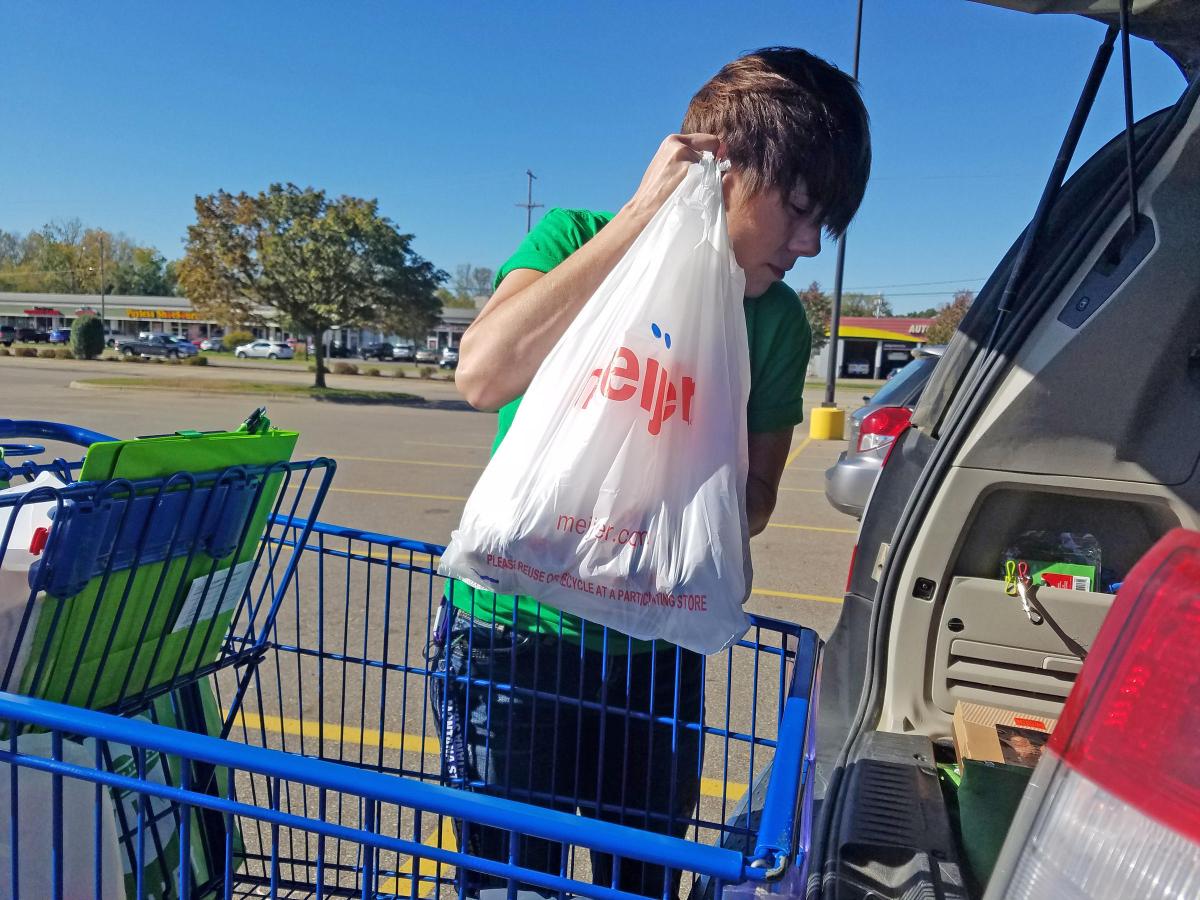
SCTL Center Director Anne Goodchild comments on how online grocery delivery services can be more efficient and eco-friendly, including the ability to cut emissions by 20 to 75 percent compared to individual shopping trips.
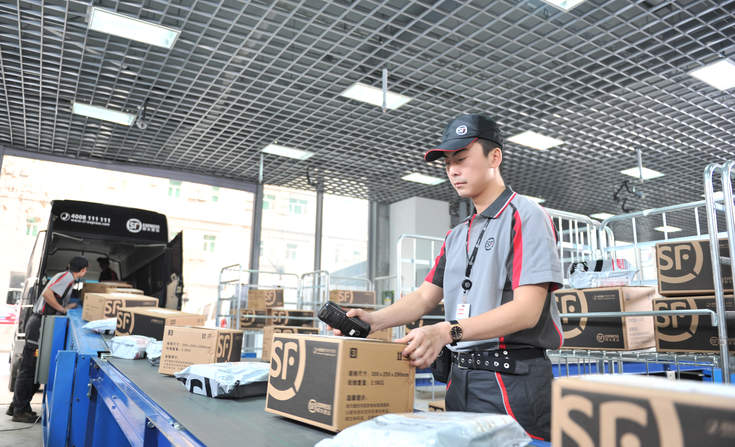
When clicking the infamous e-commerce “buy” button, most people don’t think about what has to happen next. SCTL Center Director Anne Goodchild comments on the current state of freight in cities: “They have a transportation plan, a bike master plan, a transit master plan. But freight has not been something cities have been planning for.”
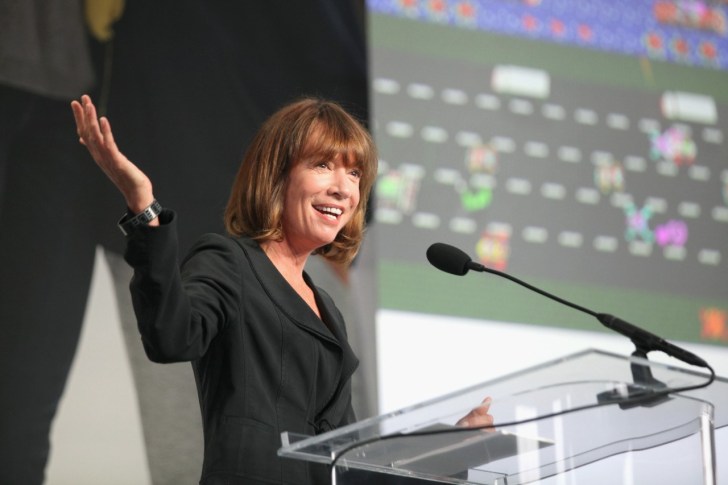
During a panel on deliveries and freight, Anne Goodchild from the University of Washington remarked that all the visioning seemed to omit that people still need supplies and to get rid of garbage. “Pictures of future cities always lack any indication of deliveries and logistics,” she said.
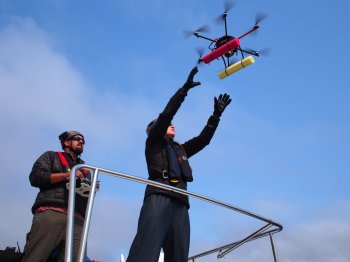
A new study by researchers at the University of Washington found that drones have less of a carbon impact than trucks for delivering packages in certain circumstances, particularly if the distance isn’t too far, the route has few stops and the packages are small and light.
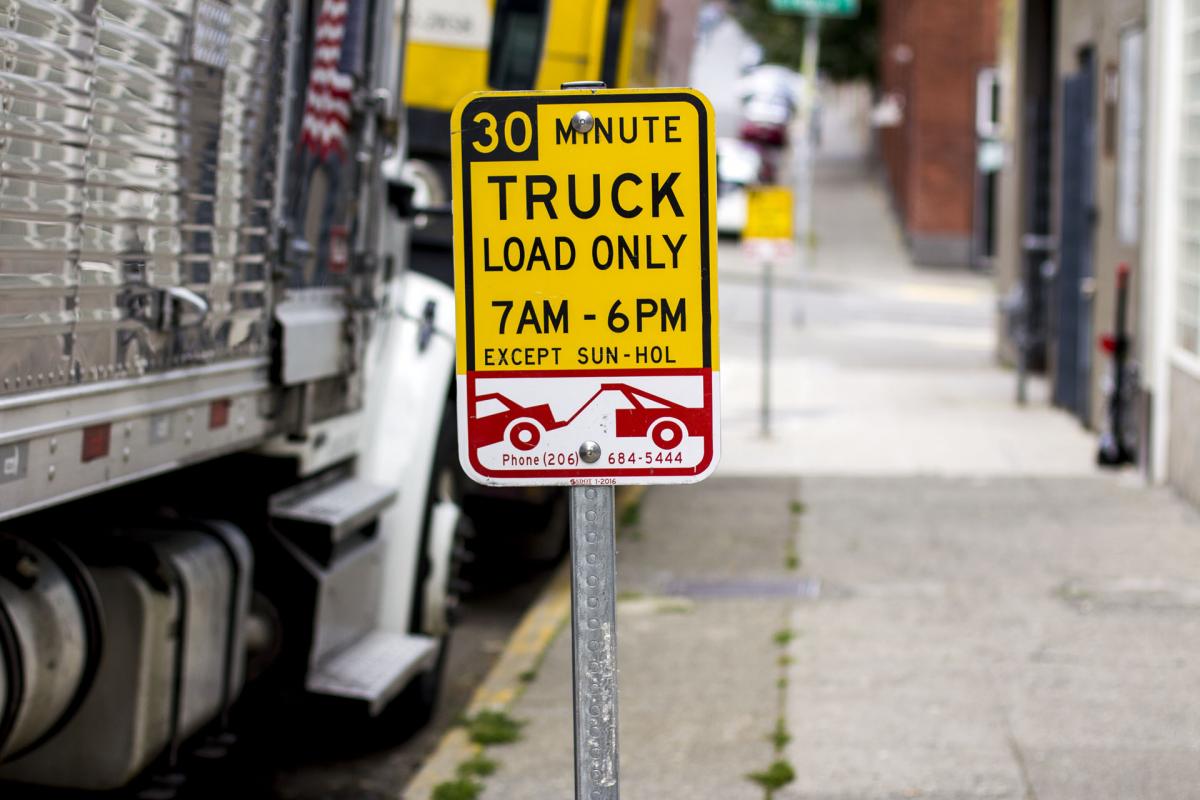
The Supply Chain Transportation and Logistics (SCTL) Center at the University of Washington has formed a new Urban Freight Lab to solve delivery system problems that cities and the business sector cannot handle on their own and to unite building managers, retailers, logistics and tech firms, and city government to develop advanced solutions to reduce dwell time and reduce failed first deliveries.
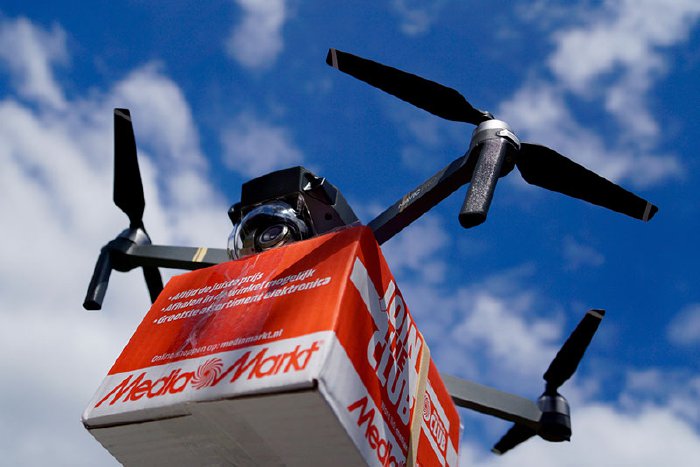
Could sending packages from distribution facilities by drone instead of with trucks reduce carbon dioxide emissions? A recent study by University of Washington transportation engineers says it could … in the right circumstances.