In the Media
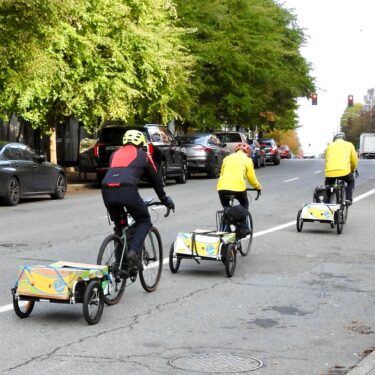
Seattle Mayor Bruce Harrell and the University of Washington’s Urban Freight Lab helped us celebrate the Pedaling Relief Project during a news conference at the University District Food Bank in October.
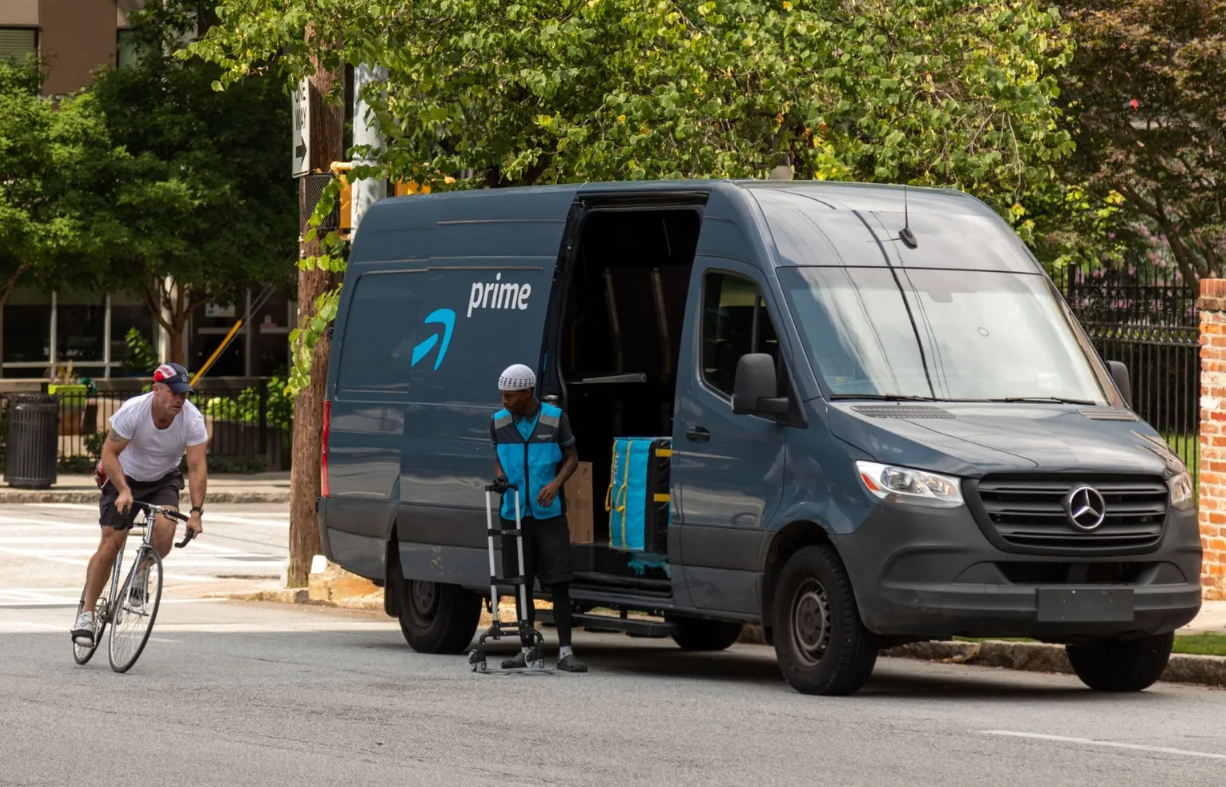
A recent Urban Freight Lab study found neighborhoods within two miles of Amazon’s last-mile facilities experience double the traffic from delivery vehicles and trucks than other parts of the Seattle metro area. Author Travis Fried suggests these facilities should serve a more dynamic role beyond just storage spaces for goods — incorporating amenities like tennis courts, rooftop urban farms, or even data centers, transforming them into part of the urban landscape.
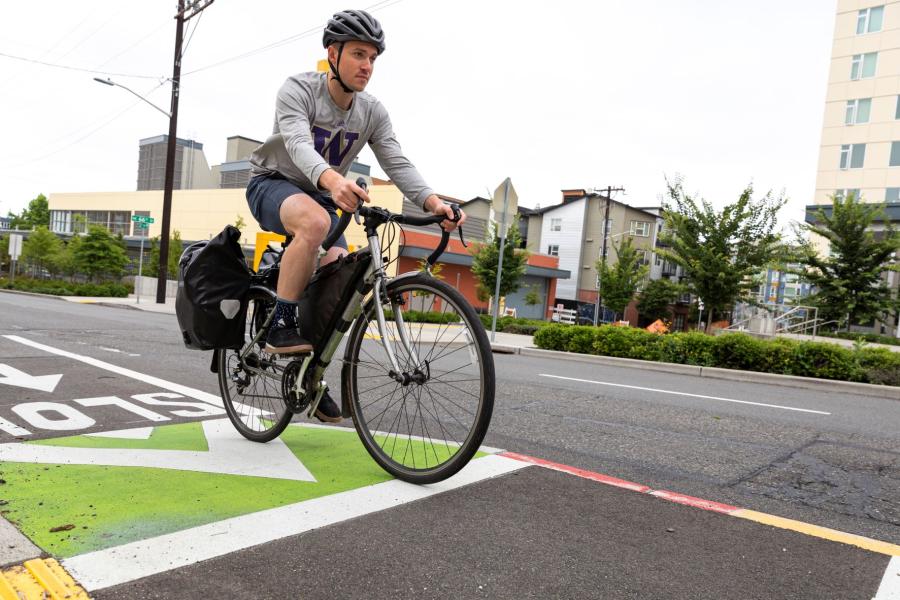
A new Urban Freight Lab white paper explores the transformative potential of electric cargo (e-cargo) bikes in revolutionizing urban freight systems across the U.S. and provides actionable recommendations, aiming to accelerate the development of local bike infrastructure, an essential factor for the widespread adoption of e-cargo bikes.
In a first-of-its-kind research project, Urban Freight Lab researchers studied the impact of pollution from delivering packages. They focused on Amazon ‘last-mile’ delivery stations in the Seattle metro area, the last stops before a package hits your doorstep, and found that people who live within 2 miles of these hubs are exposed to more delivery-related air pollution than people in outlying areas.
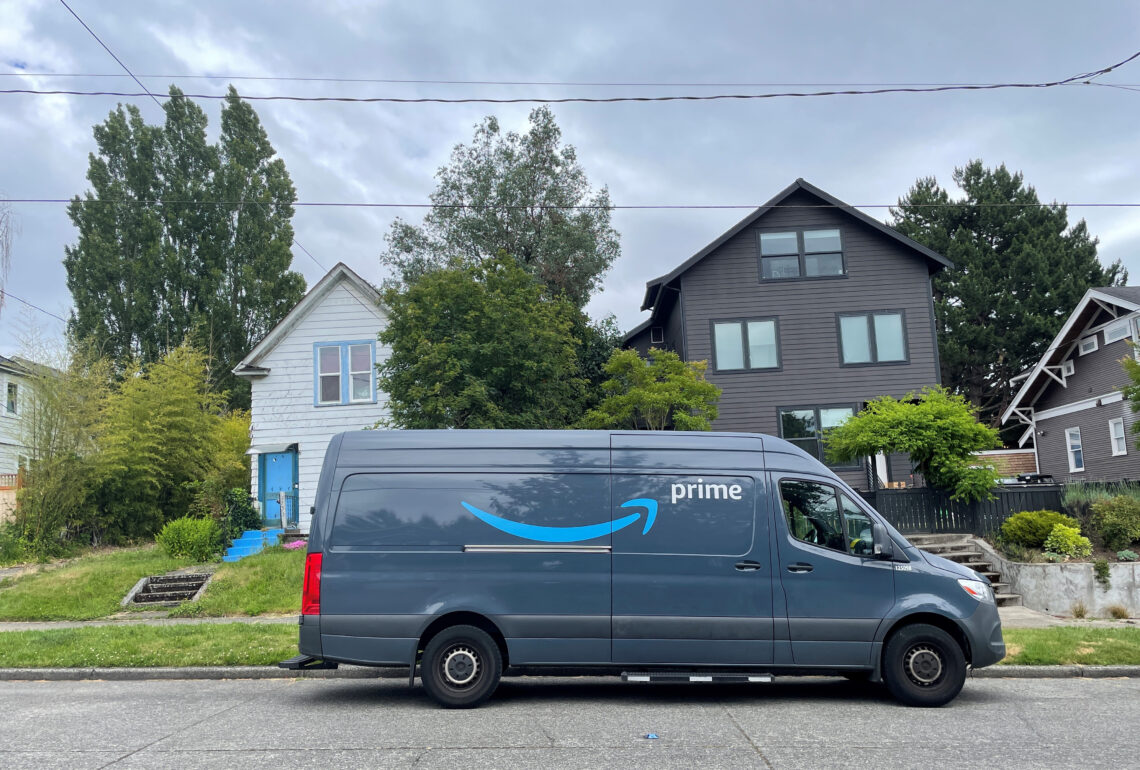
Urban Freight Lab study found that people who live within 2 miles of an Amazon last-mile delivery station are exposed to more delivery-related air pollution despite ordering fewer packages.
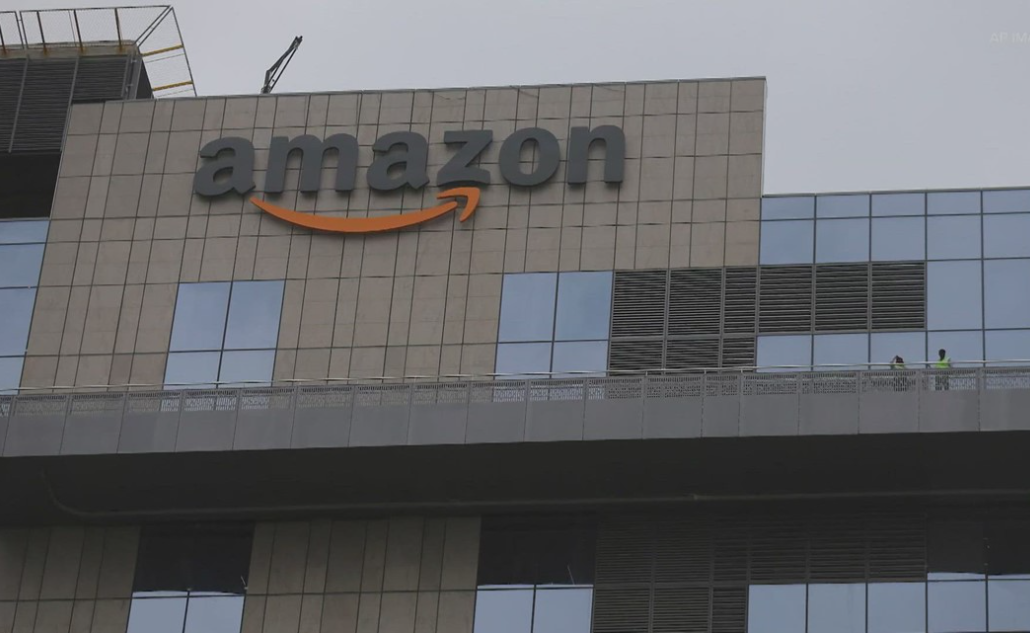
Seattle-area neighborhoods closer to Amazon delivery stations are subject to double the amount of truck traffic, according to this Urban Freight Lab study.

The Urban Freight Lab has recently published “Biking the Goods: How North American Cities Can Prepare for and Promote Large-Scale Adoption of E-Cargo Bikes,” which could be a helpful document for many of the key stakeholders in both the public and private sector.

According to the University of Washington’s Urban Freight Lab and nonprofit People for Bikes, cargo bikes could play a major role in greening the delivery sector, which is responsible for a staggering 28% of greenhouse gas emissions in cities worldwide.
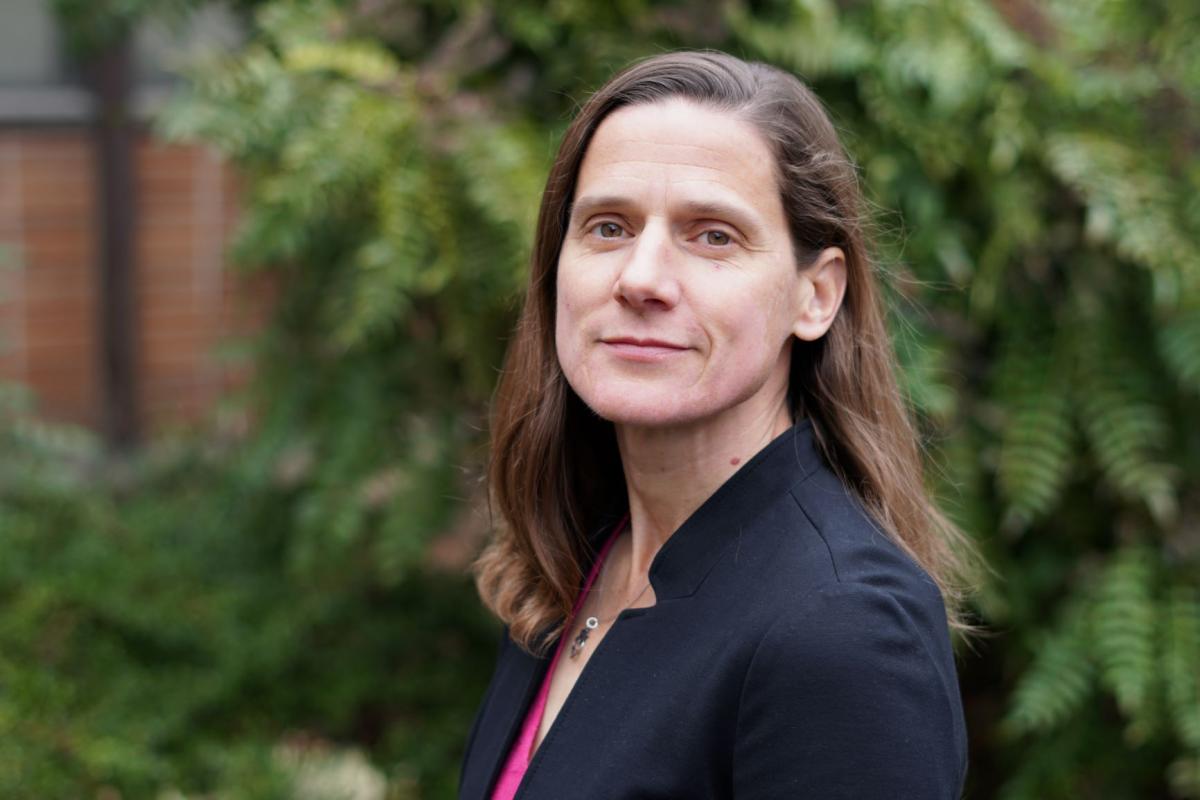
Discover how cities can enhance freight planning, reduce environmental impact, and harness the potential of innovative strategies like cargo bikes. Dr. Anne Goodchild shares insights from Seattle, explores global applicability, and discusses the crucial role of data in shaping the future of urban logistics in the U.S., as well as Europe.

Here’s what we’re doing to manage limited public space for deliveries Vehicle load zones: We at SDOT manage and install vehicle load zones throughout Seattle. These are important spaces along the curbs to allow people reliable access to load and unload and also allow freight and commercial vehicles to deliver their goods in a safe and timely way. With Seattle’s growth in recent years, demand for these spaces has increased, and we’re working hard to make these spaces work efficiently…

More than a million meals are delivered to needy families using cargo bikes that zip along the streets of Seattle without producing pollution or noise. It’s an initiative that connects the U.S. to Vicenza, Italy, because the person designing the logistical, marketing, and economic part of this solidarity-based activity is Giacomo Dalla Chiara from Vicenza.

Seattle Department of Transportation (SDOT), in collaboration with King County Metro, has completed the final design on the Route 40 Transit-Plus Multimodal Corridor project. The project will create a safer and more reliable bus route and Seattle’s first-ever freight- and bus-only lane. The project now moves to the contractor selection process, with construction anticipated to begin in 2024.
After receiving the feedback from the community, SDOT updated the final design with confirmed plans to launch a freight and bus-only Lane pilot project on Westlake Avenue North. The pilot will last for one year and will allow freight trucks that are more than 26,000 pounds to use select bus lanes, be in effect 24/7, and be evaluated by the Urban Freight Lab.
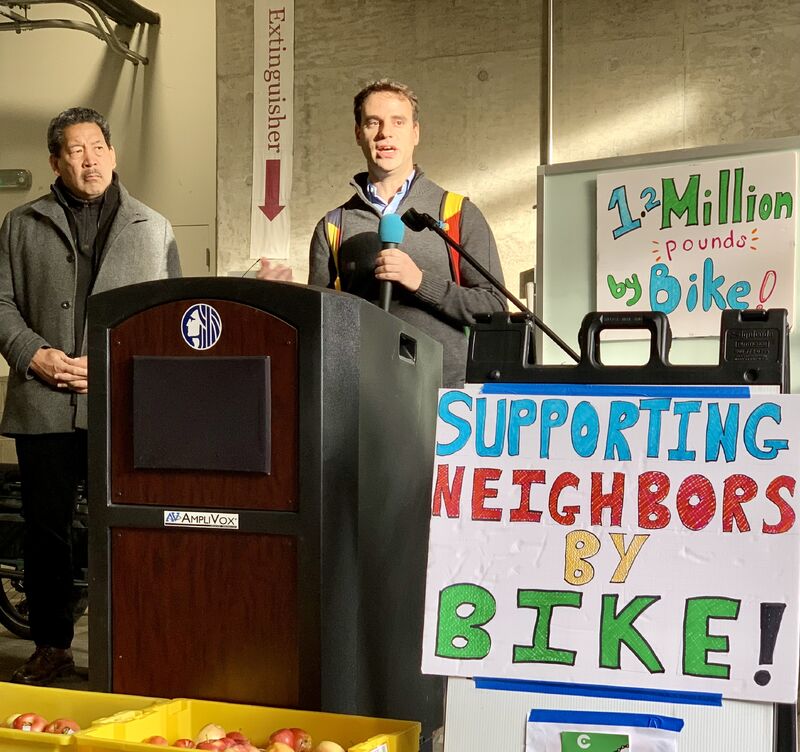
The University of Washington’s prestigious Urban Freight Lab recently included the Pedaling Relief Project in its research paper “Biking the Goods,” which presents the Cascade initiative as a national example of how cargo bikes are being used to serve an important public need.

Related projects include an intelligent transportation system, which uses cameras and other “smart city” tech to improve safety at intersections and elsewhere, and the Final 50 Feet program, to facilitate last-mile delivery. The latter is part of a public-private partnership with the University of Washington called the Urban Freight Lab.
Related projects include an intelligent transportation system, which uses cameras and other “smart city” tech to improve safety at intersections and elsewhere, and the Final 50 Feet program, to facilitate last-mile delivery.