In the Media
Urban Freight Lab researcher Travis Fried delivered a presentation at University of Minnesota Center for Transportation Studies Transportation Research Conference highlighting how ecommerce traffic disproportionately affects low-income communities, contributing to concerns around air quality, health, and road safety. Travis’s research at the Urban Freight Lab is driving important conversations about the broader impacts of urban freight systems and a comprehensive approach to planning that considers not just efficiency but community well-being and environmental and social justice as well. More to come as we continue exploring solutions that support healthy, equitable, and resilient communities.
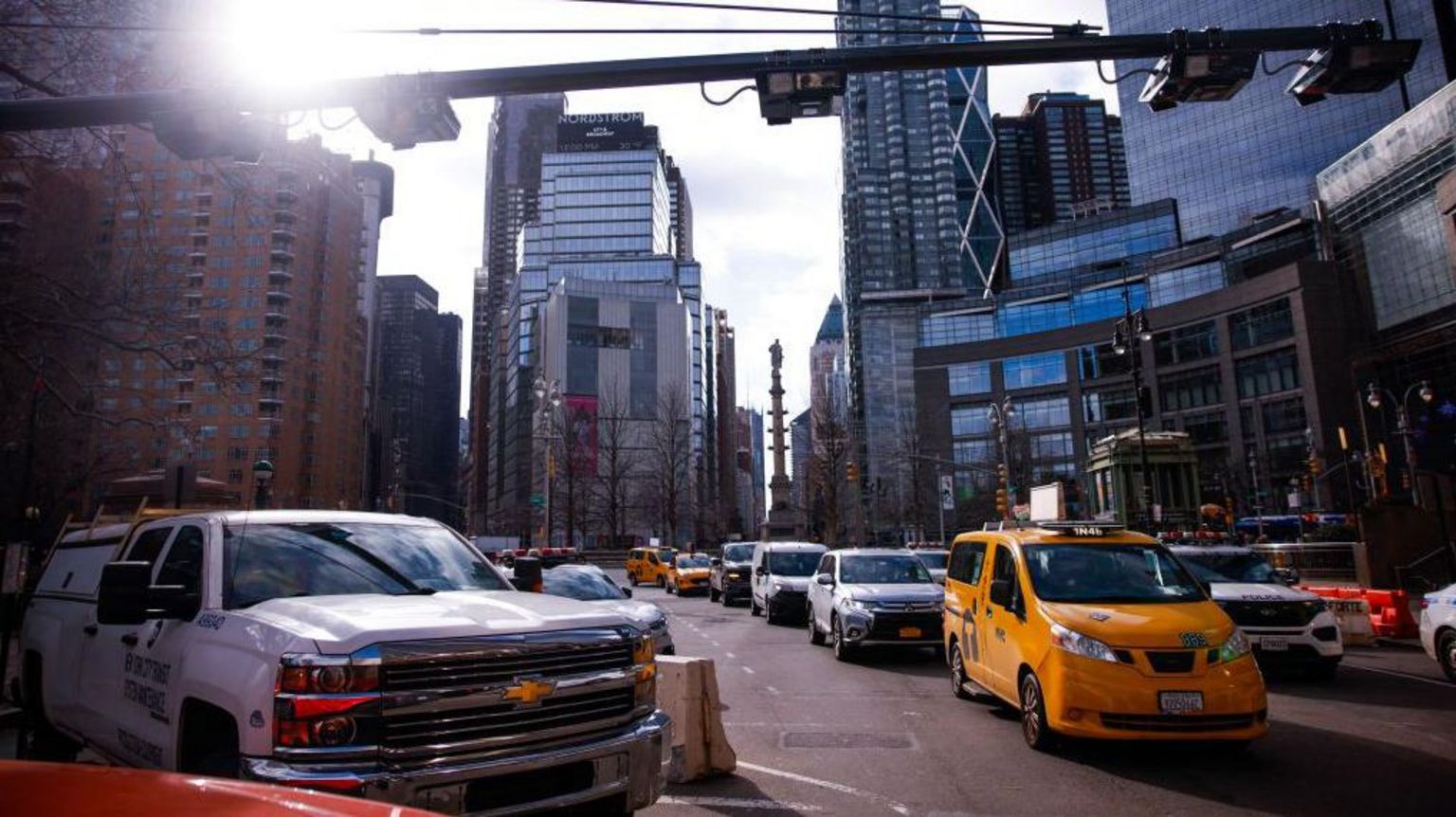
Congestion pricing has officially launched in New York City and the logistics industry is feeling the impact, but there are strategies businesses and customers can adopt to mitigate driving and delivery costs, such as optimizing packaging efficiency, remapping routes, expanding cargo bike programs, or, as Urban Freight Lab Director Kelly Rula suggests, shifting deliveries to late-night and early-morning hours when tolls are less expensive.
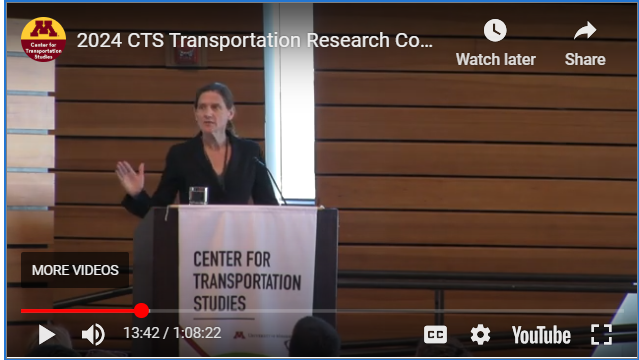
Our founding director Anne Goodchild delivered the keynote address at Center for Transportation Studies, University of Minnesota’s Transportation Research Conference, sharing insights from her two-decade career leading urban freight research.
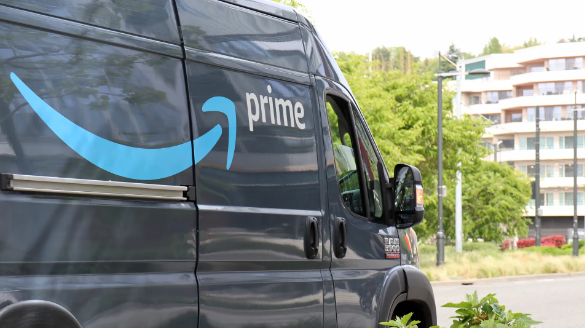
Seattle is seeing a rise in deliveries that’s reshaping urban life, with neighborhoods like SODO, South Lake Union, and Belltown experiencing some of the highest activity.
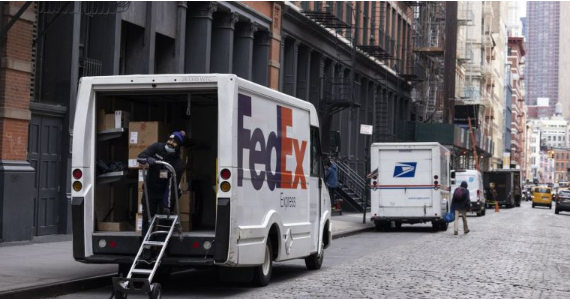
New York City Department of Transportation (NYC DOT) has received a $5.6 million grant from the U.S. Department of Transportation’s Rebuilding American Infrastructure with Sustainability and Equity program to create an Urban Freight Mobility Collaborative, an innovation hub designed to revolutionize urban freight movement and reduce emissions.
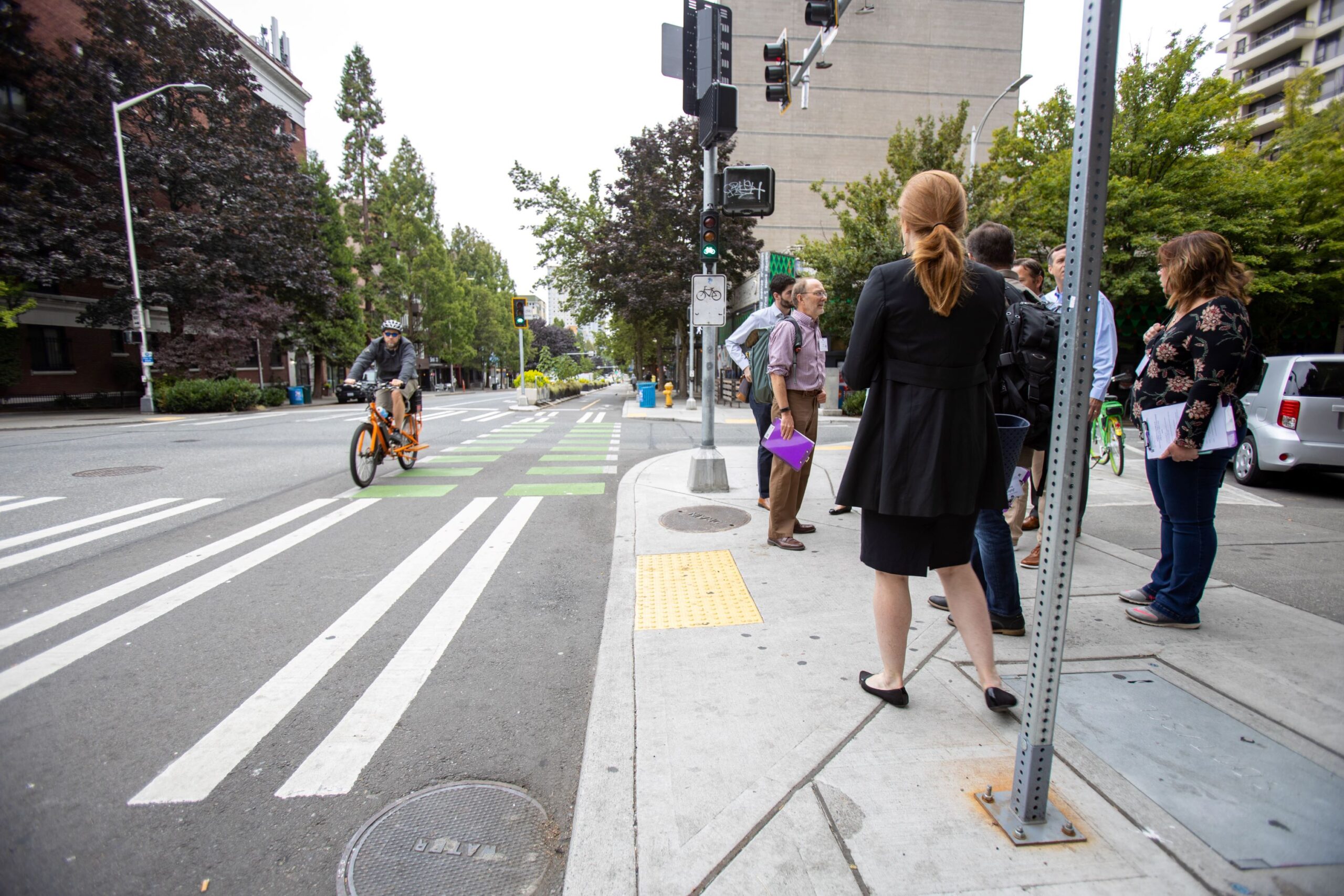
Leveraging a $2 million grant, the Urban Freight Lab is extending its urban logistics from Seattle, optimizing goods delivery and enhancing sustainability.
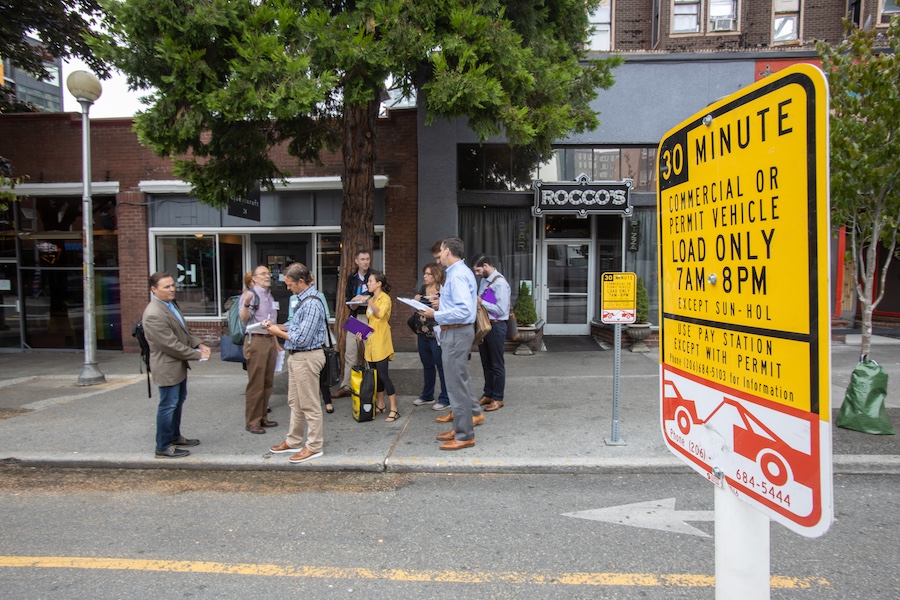
The Urban Freight Lab is breaking new ground and extending its impact beyond Seattle.

Faculty work with partners across industry, government, and community sectors.
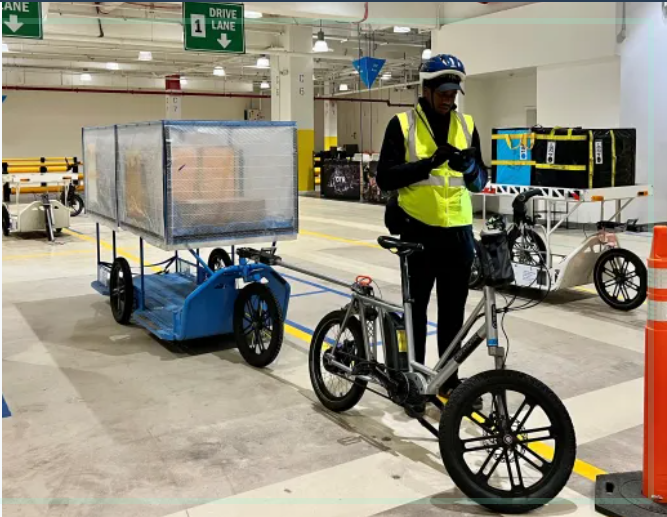
“There’s no doubt that e-commerce and the ability to have goods delivered directly to your home has changed the way people shop in cities,” said Kelly Rula, who directs the Urban Freight Lab at the University of Washington. “It’s had upstream effects on how the transportation system was impacted.”
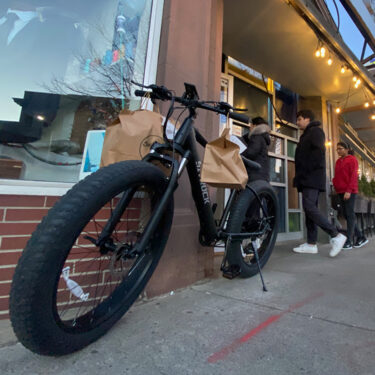
Third-party delivery services such as Grubhub, DoorDash and Uber Eats are ubiquitous, with drivers shuttling takeout and groceries throughout Cambridge for time-strapped residents. They’re also as expensive as they are convenient. According to data from McKinsey & Co., a consulting firm, Americans pay 40 percent more for takeout when they use third-party delivery services, while restaurants pay a 15 percent to 30 percent fee when these services deliver their food. For seniors and other vulnerable residents, many of whom relied…
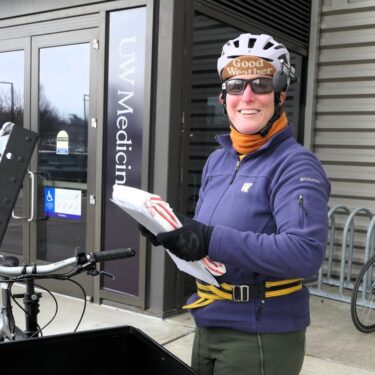
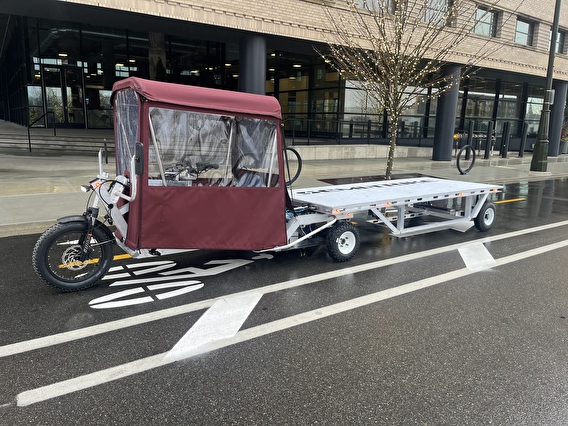
The University of Washington’s e-bike powered mail delivery program is reducing climate pollution and saving money, making it a model for college and corporate campuses nationwide.

E-commerce consumers “are much more attached to the logistical process,” said Travis Fried, a researcher at the University of Washington’s Urban Freight Lab. “We have much more control and much more power on those logistical decisions.”
In some urban areas, the majority of drivers’ time is spent outside of vehicles, including searching for the right apartment, says Anne Goodchild, founding director of the Urban Freight Lab, which does research on urban freight and logistics issues at the University of Washington.
Giacomo Dalla Chiara, lead researcher at the Urban Freight Lab, says that about 28% of drivers’ time during delivery is used searching for spots. In a project sponsored by the Energy Department, the lab deployed curb sensors in a Seattle neighborhood, transmitting real-time information about available parking spaces. Combining machine learning and sensor information, the system can predict when the spaces will be available—and direct drivers toward spots that are opening up while drivers are in transit.
Partnerships like the Urban Freight Lab are working collaboratively to fast-track last-mile solutions previously impossible due to mechanical and design constraints, revolutionizing the form factor of the bicycle and adapting vehicles to streets unfit for cars.