In the Media
Seattle’s Urban Freight Lab continues to churn out innovative research projects connected to the last 50 feet of delivery. The latest initiative is a “common microhub.”
Anne Goodchild said, “as we move towards faster delivery, it gets harder to consolidate. When we’re not paying some sort of personal cost for the trip, I think it’s easy to overlook how much travel we’re adding.”
The University of Washington’s Urban Freight Lab is testing common lockers in commercial buildings and near transit stops in Seattle. An initial pilot at the Seattle Municipal Tower found that the system reduced the number of failed deliveries to zero and reduced the overall delivery time by 78 percent when compared to door-to-door delivery.
Anne Goodchild questions some of the conclusions of the World Economic Forum’s “The Future of the Last-Mile Ecosystem” report, saying its figures are based on many assumptions.
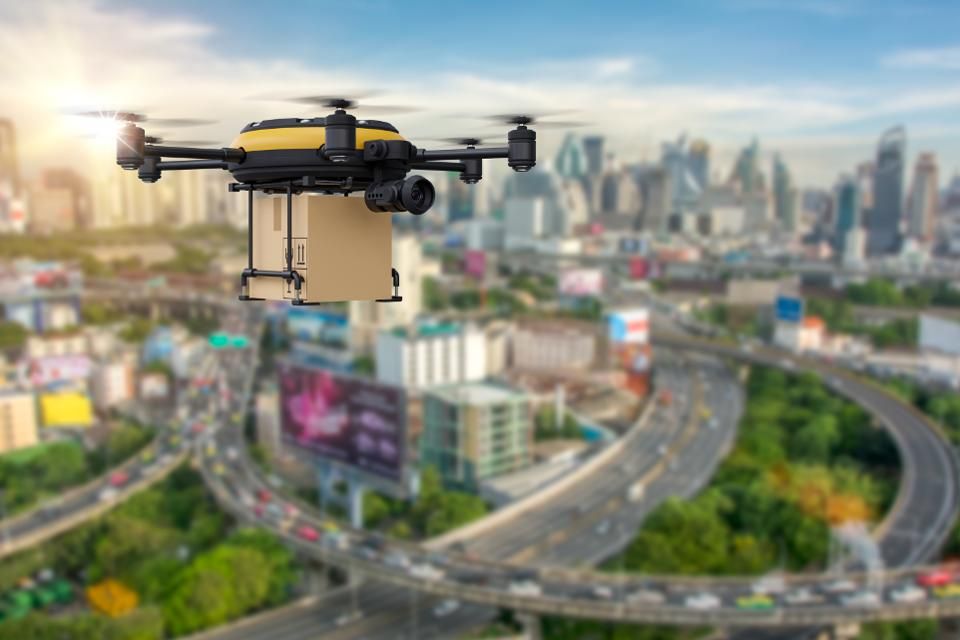
According to Anne Goodchild of the University of Washington, the last mile could represent half of the cost to distribute a product from its source.
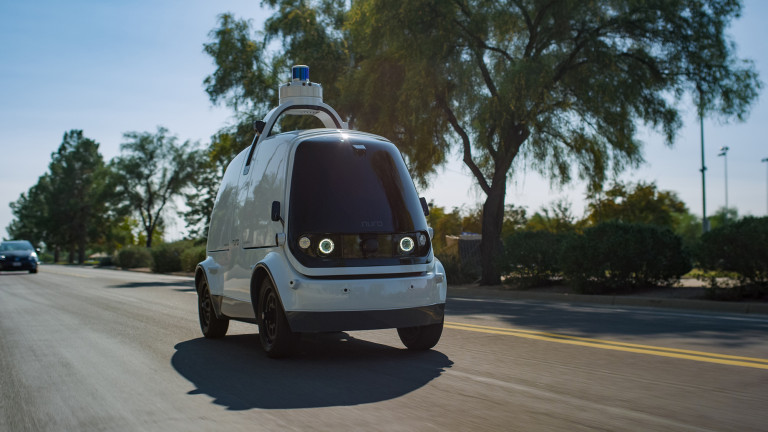
“There are strong incentives to test out autonomous vehicles where they don’t have that labor cost,” said Anne Goodchild, founding director of the Supply Chain Transportation and Logistics Center at the University of Washington.
“When we’re not paying some sort of personal cost for the trip, I think it’s easy to overlook how much travel we’re adding,” said Anne Goodchild.
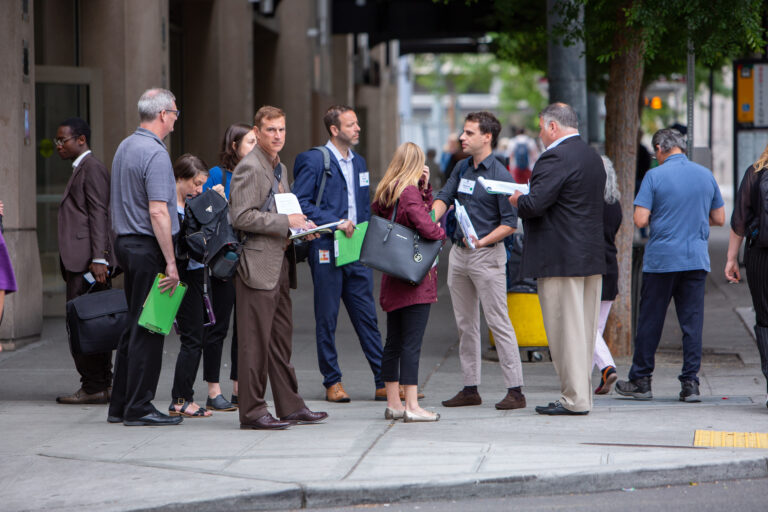
“It’s a very costly system. It’s expensive to do the last mile, but no one in the existing framework can take it on and fix it,” said Anne Goodchild, lead researcher on the project and founding director of the UW’s Supply Chain Transportation and Logistics Center.
Anne Goodchild, professor of civil and environmental engineering at the University of Washington, said there are ways in which deliveries could be greener. “A delivery vehicle can consolidate, like a bus, many packages or many orders of groceries into one vehicle,” she said. But for that to work, we might have to give up our two-day delivery habit.
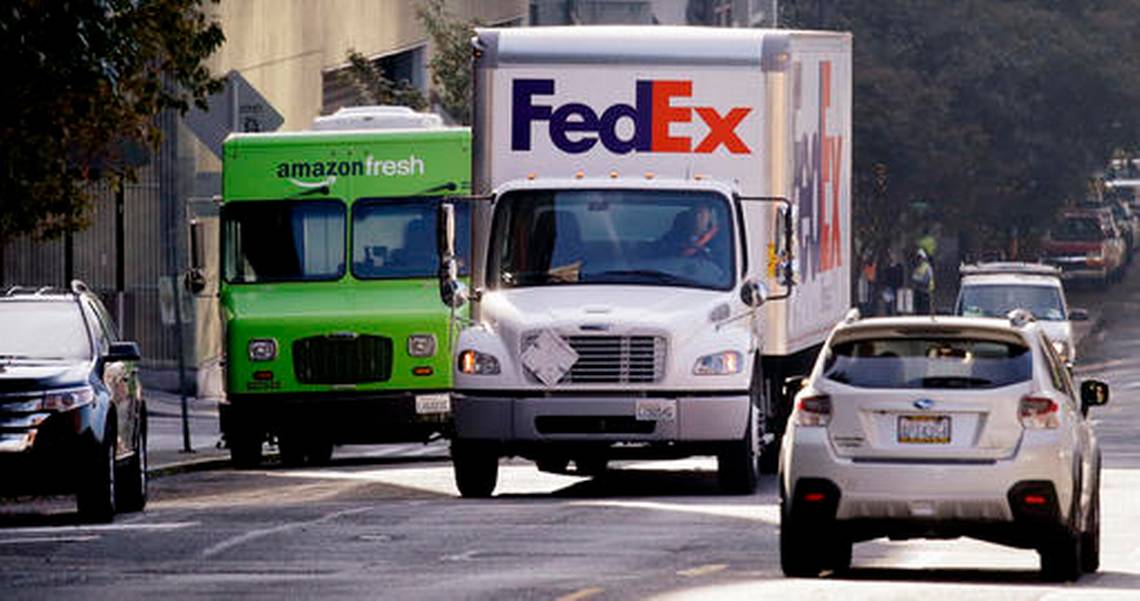
“Significant growth in online shopping is causing increasing demand for urban deliveries, whereas space for delivery vehicles to travel and park is limited,” said Anne Goodchild, a researcher at the University of Washington’s Urban Freight Lab.
When you’re sending or returning a package it’s easy to forget the obstacles delivery drivers will go through to get it to its final destination on time.

Anne Goodchild, professor of civil and environmental engineering at the University of Washington in Seattle, and director of the school’s Supply Chain Transportation and Logistics Center, agrees that Europe has made significantly greater strides than the U.S. in terms of coordinated Smart City Logistics management and response. However, “the environment is different in the U.S. Here, we’re more focused on consumers, and we’re moving much faster than Europe when it comes to offering fast, timely and convenient deliveries,” she said.
The University of Washington … is also home to the Urban Freight Lab, an innovative research consortium that brings public- and private-sector partners to work on some of the most pressing challenges created by the e-commerce revolution.
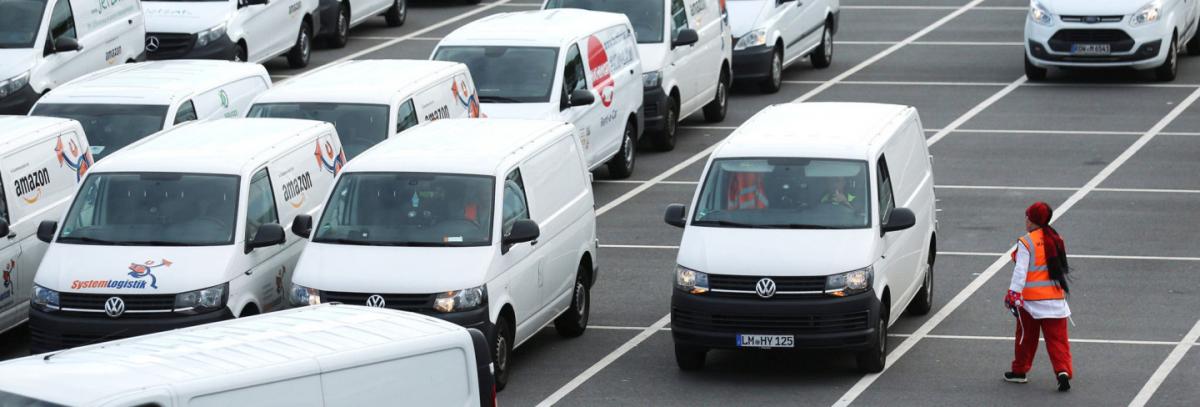
“The problem isn’t buying online — it’s how the delivery is implemented and how packages come to our door,” said Anne Goodchild, director of the University of Washington’s Supply Chain Transportation and Logistics Center.
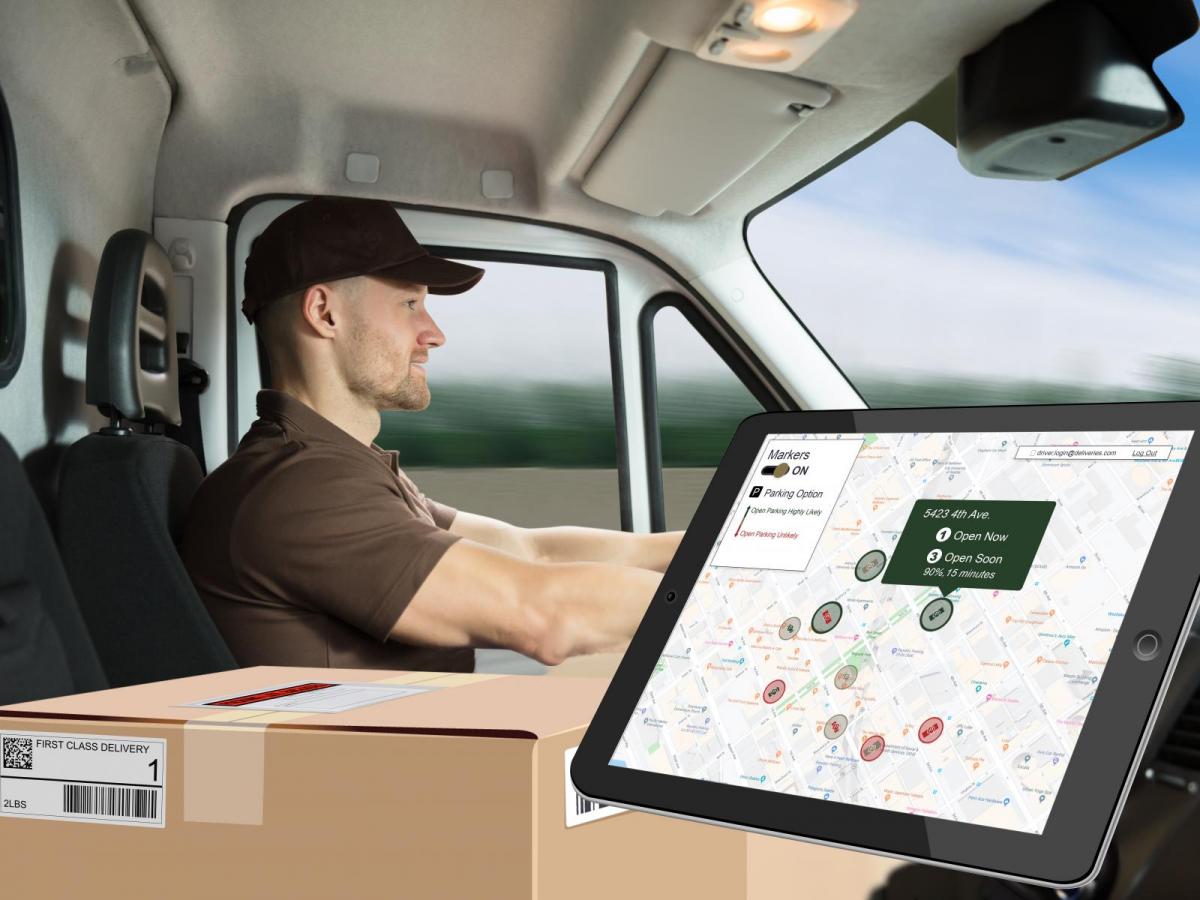
The project—funded with $1.5 million by DOE’s Office of Energy Efficiency and Renewable Energy’s Vehicle Technologies Office and led by the University of Washington’s Urban Freight Lab—will develop, test, and improve technologies aimed at cutting time spent by the driver at the curb, increasing productivity, and reducing time and fuel spent searching for available parking.