In the Media
Commute Seattle’s third annual Transportation Management Program Seminar covered leveraging transportation improvements and expectations for upcoming transportation impacts in Seattle.
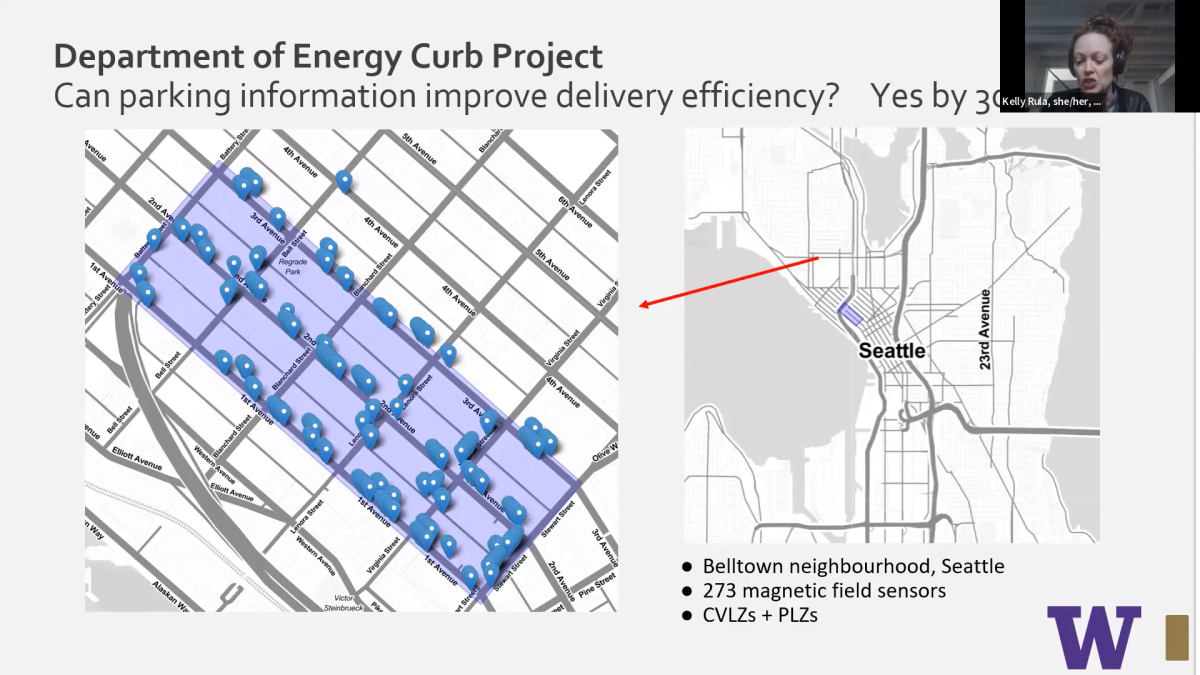
The development of new forms of package delivery is naturally part of the conversation around autonomous trucking and even curb management and the kinds of solutions needed for “the final 50 feet of delivery,” as Kelly Rula, director of policy and partnerships at the Urban Freight Lab described it.
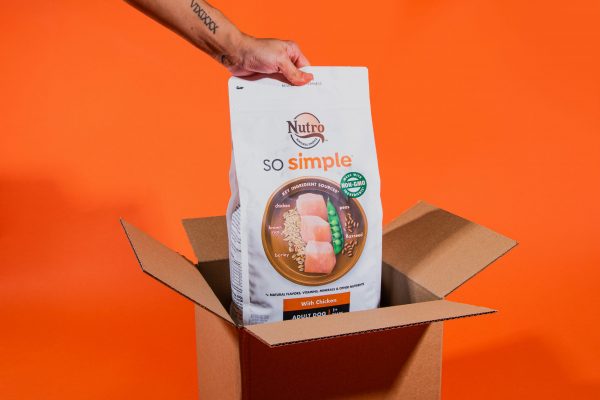
“E-commerce occupies much more space in warehouses than store-based shopping” because online retailers carry more items, Anne Goodchild, who runs the Supply Chain Transportation and Logistics Center at the University of Washington, said.
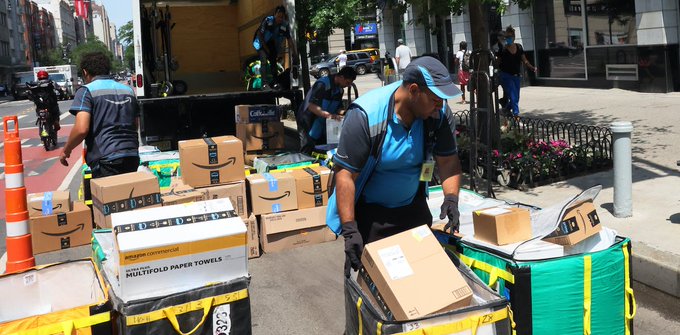
E-commerce is great, until delivery trucks clog city streets, blocking traffic and polluting the air. Anne Goodchild and Rishi Verma describe the scale of the urban freight challenge and some solutions for the last mile.

Michael Bartz speaks with Dr. Anne Goodchild all about making urban freight more sustainable. Dr. Goodchild describes the journey your package takes from ordering to arriving, and what items are typically moving around a city.
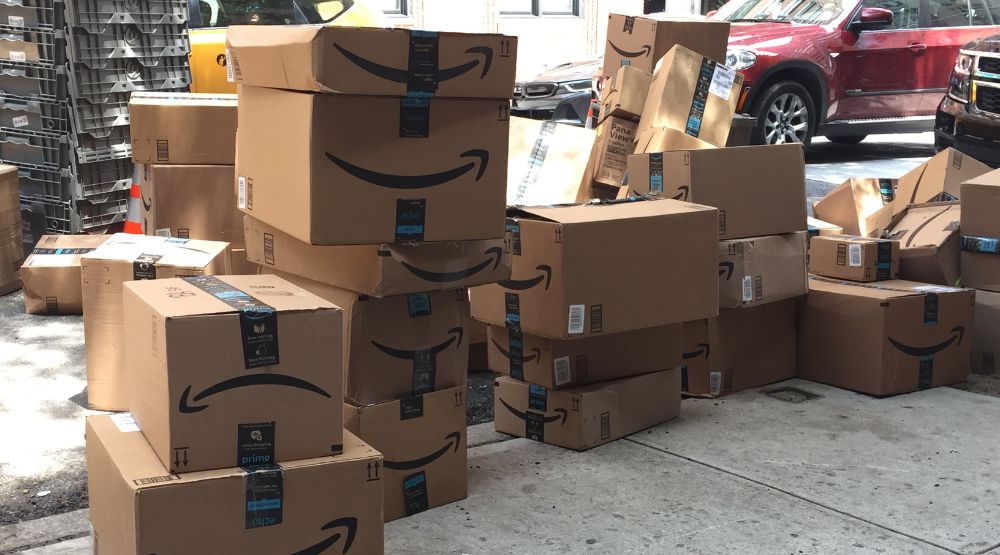
How can last-mile delivery be more efficient and sustainable? Urban Freight Lab partner Diniece Mendes (NYCDOT)) said New York City needs innovative thinking and a unique multi-pronged approach. UFL’s Final 50 Feet work is mentioned.
By Urban@UW
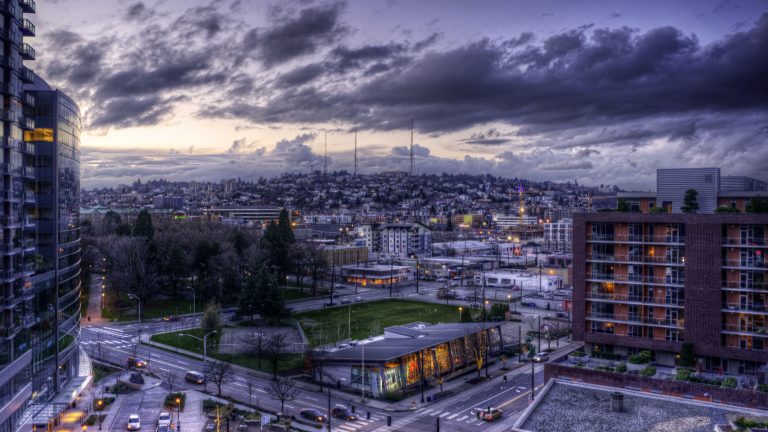
Urban@UW is excited to announce awardees for the third round of funding through our Spark Grants program. The three projects selected address critical urban challenges, with a focus on transdisciplinary scholarship and engagement with vulnerable populations.
Analysis of a Food Bank Home Delivery Program
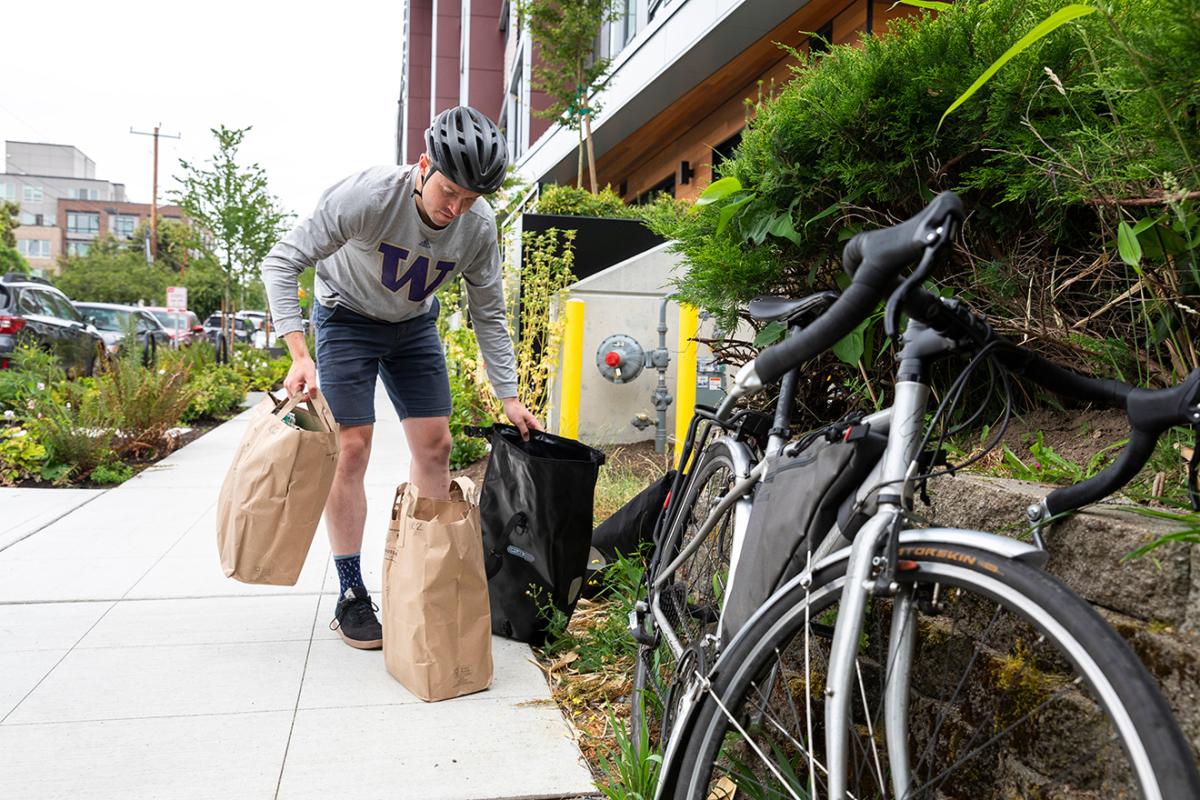
A class project quickly became a passion project for civil and environmental engineering Ph.D. student Dan McCabe. A cycling enthusiast, McCabe is working to optimize the delivery of groceries from food banks to people experiencing food insecurity — by bicycle.
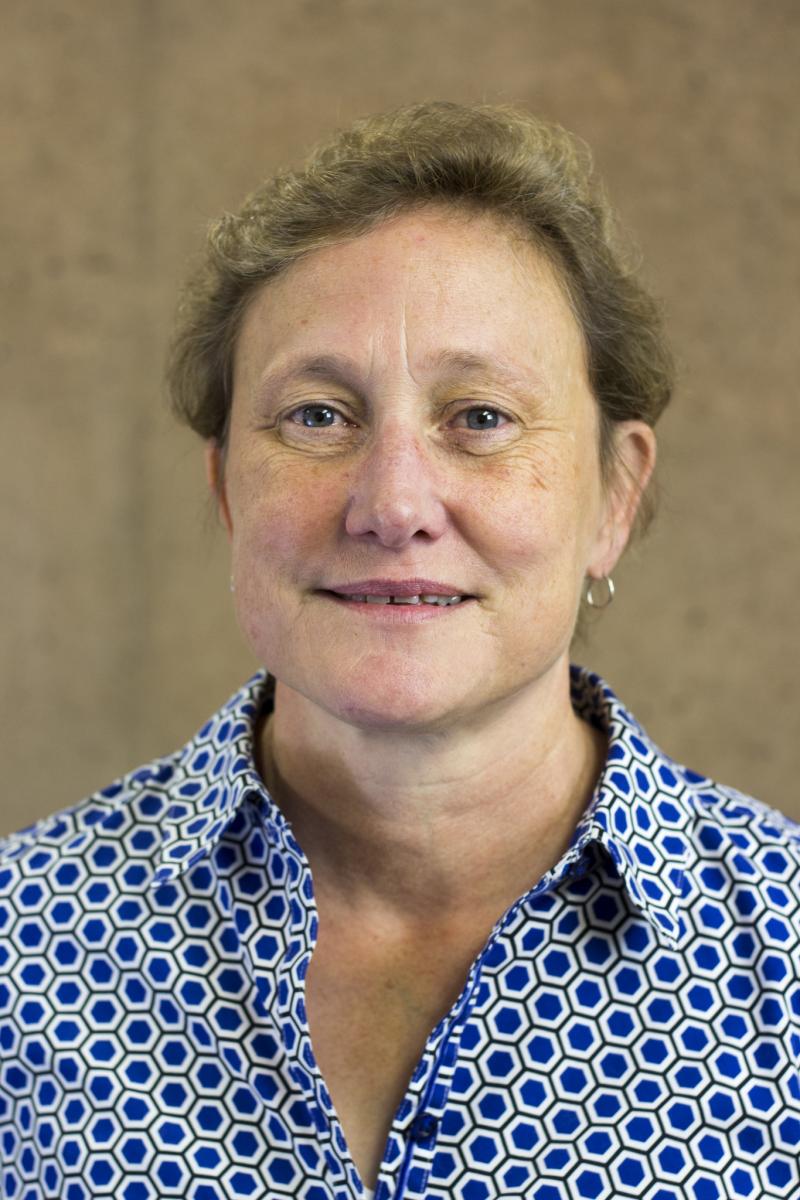
Regan is looking forward to continuing the success of the SCTL master’s program, which prepares students for leadership roles in managing global supply chains. The SCTL master’s program is unique, Regan says, in both its caliber and structure.
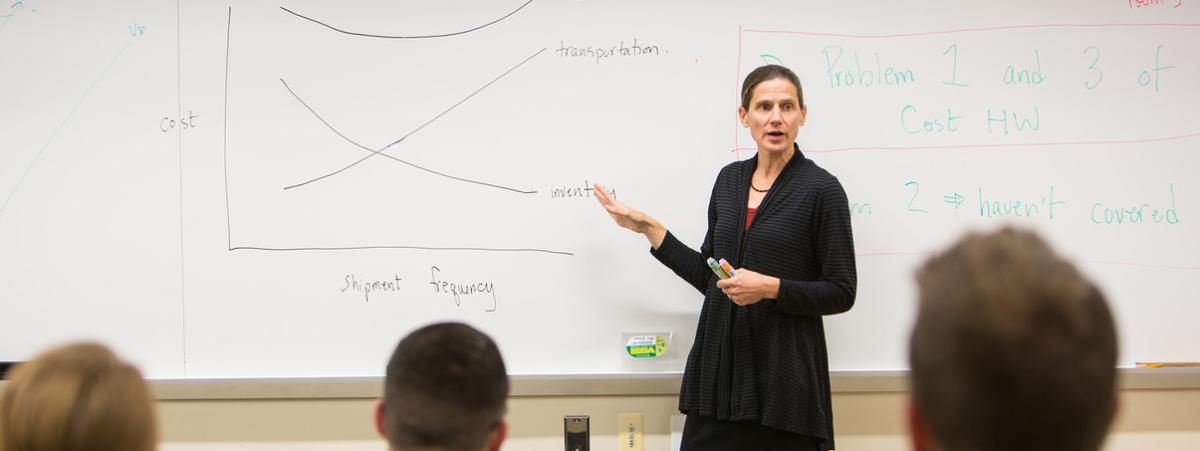
Our Anne Goodchild (Founding Director, Supply Chain Transportation & Logistics Center and Urban Freight Lab) joins Dan Ronan (Associate News Editor, Print and Multimedia, Transport Topics) for an interview on Transport Topics Radio Podcast on SiriusXM Radio Channel 146.
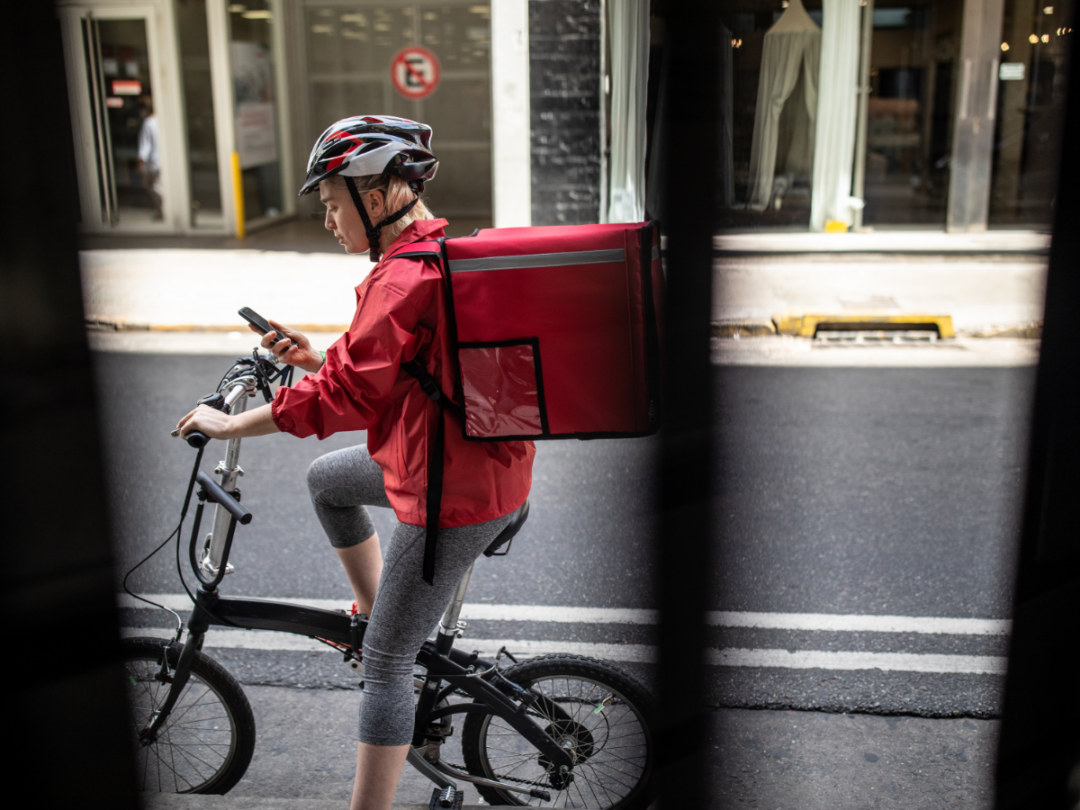
Major cities today are marked by competing interests — pedestrians, autos, bikes, public transit, businesses — to the point where reaching consensus on how to solve traffic congestion seems impossible. But that’s not how Anne Goodchild sees it.
The report documents the impacts of the closure on freight flow, businesses, and carriers, explores current freight movements and quantify freight demand, and identifies mitigation strategies for freight flow to and from West Seattle, both during the bridge closure and beyond.
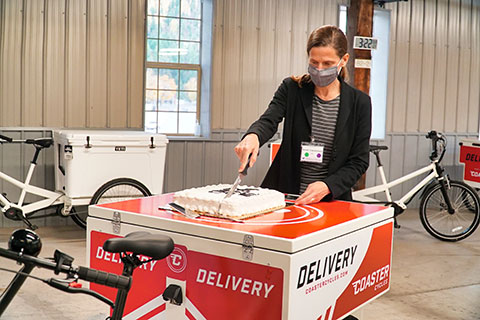
In celebration of its fifth anniversary, the Supply Chain Transportation and Logistics Center (SCTL) is looking in the rearview mirror.
Dr. Anne Goodchild, Director of the Supply Chain Transportation and Logistics Center at the University of Washington, discusses urban logistics and parcel lockers.
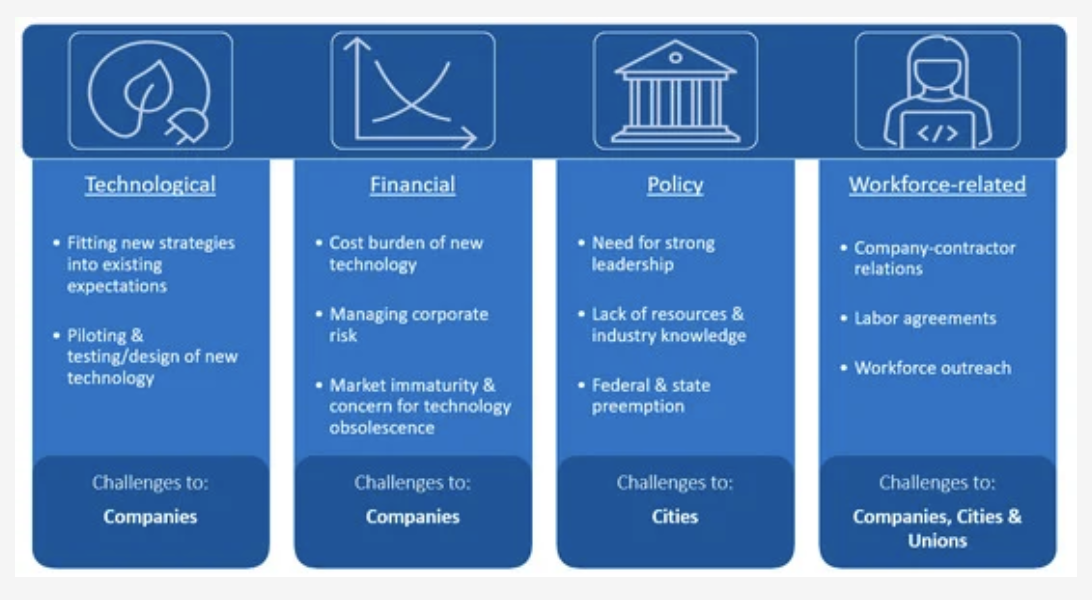
Urban Freight Lab researchers have published a new paper, “Identifying the Challenges to Sustainable Urban Last-Mile Deliveries: Perspectives from Public and Private Stakeholders,” in Sustainability Journal, part of the project on Roadblocks to Sustainable Urban Freight.