In the Media
Pepsi Beverages is the latest company to join the Urban Freight Lab, a public-private partnership working to streamline the delivery process.
“Rethinking how to use the load/unload space is now necessary,” says Barbara Ivanov.
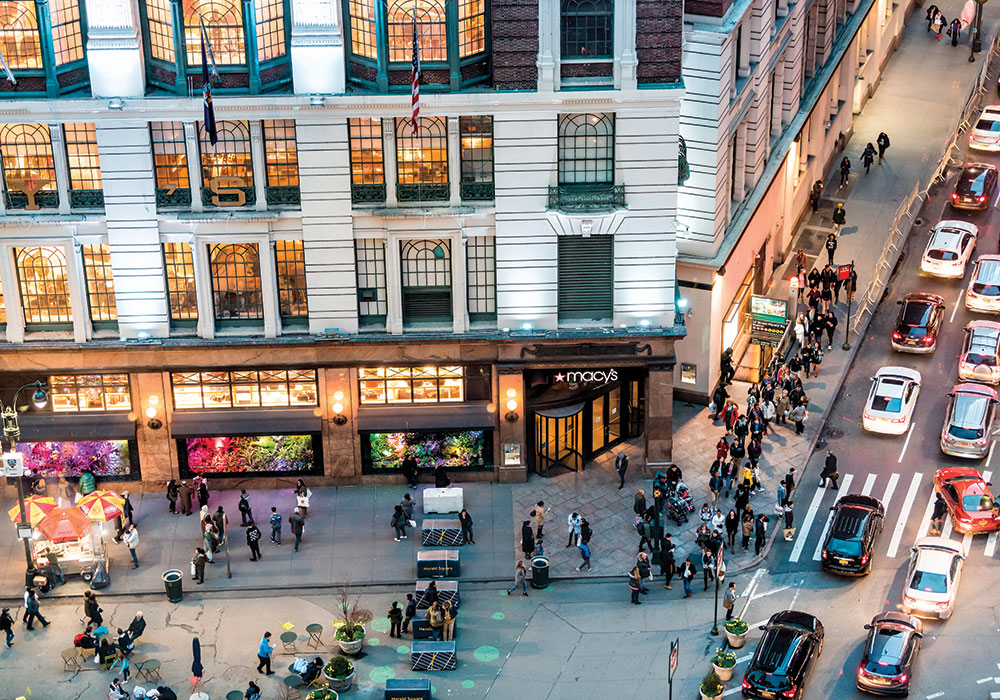
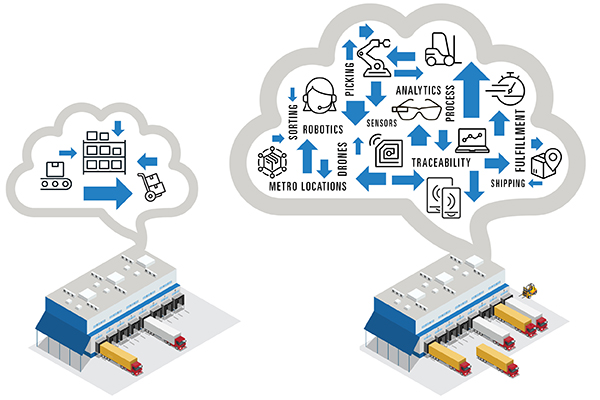
In the past 10 years, the increase in e-commerce caused delivery truck traffic to double — there’s currently one internet-based delivery a day per 25 Americans — and it’s expected to double again in the next five years. A study by the University of Washington’s Urban Freight Lab found that delivery trucks in downtown Seattle double-park, or otherwise park illegally, for about half of delivery stops.
Barbara Ivanov, director of an urban-freight lab at the University of Washington, said delivery companies won’t be able to add enough trucks during peak hours in congested cities:“it’s impossible to fit them in.”
“Delivery services can be better — they can put lots of stuff in one vehicle, do one delivery route, and hit lots of homes,” Anne Goodchild said.
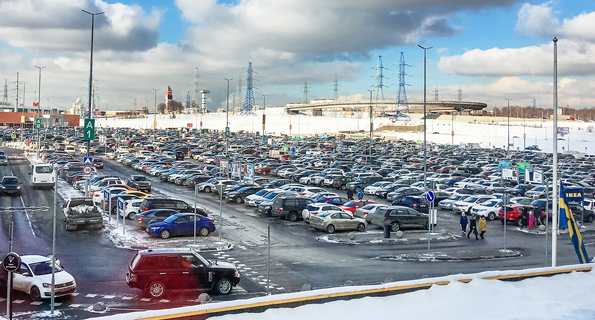
Even flitting back and forth from the depot, drones could sometimes still reduce carbon emissions relative to delivery trucks, according to Anne Goodchild of the University of Washington. They are likely to work best with light, urgent deliveries, such as medicines, food or mail, and in confined high-demand areas such as university campuses
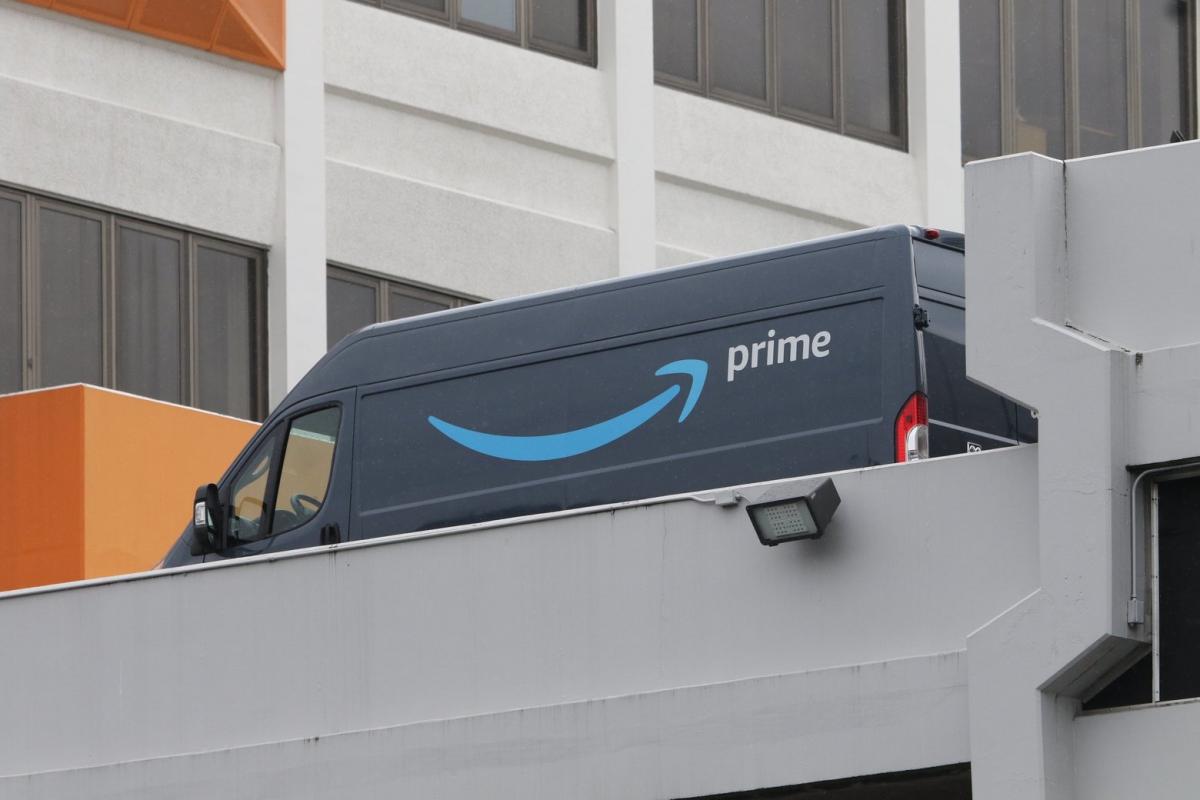
How can Amazon deliver on reducing greenhouse gas emissions and making one-day delivery the standard? Anne Goodchild comments on how grocery delivery compares to individual, car-based shopping when it comes to efficiency and fuel use.
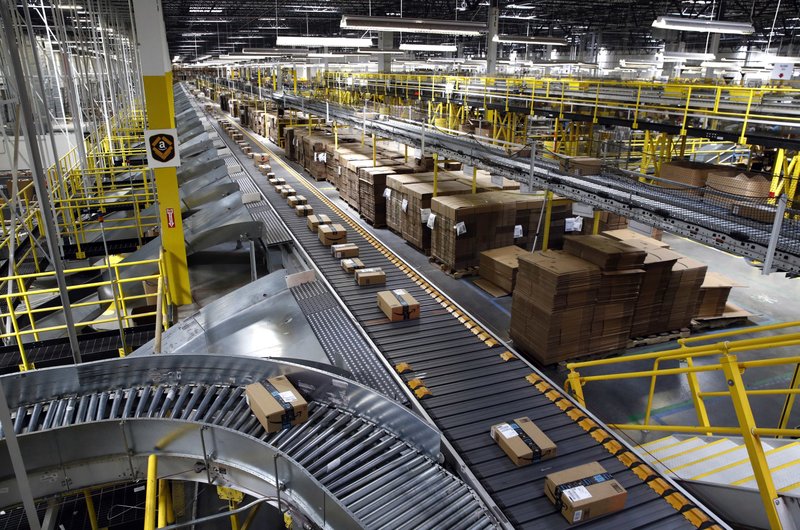
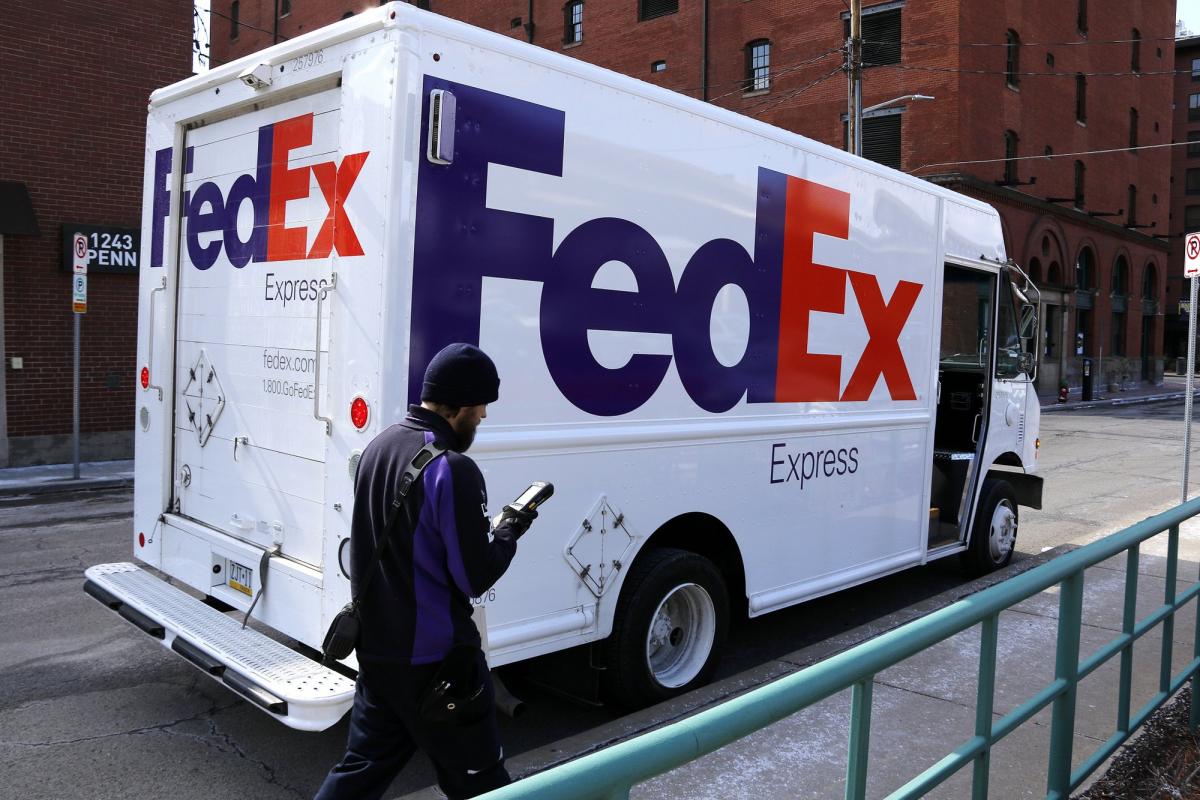
It also gives Amazon a way to grow its delivery network without spending the money needed to buy vehicles or hire workers, says Barb Ivanov, director of University of Washington’s Urban Freight Lab, a research lab that focuses on logistics and supply chain transportation.
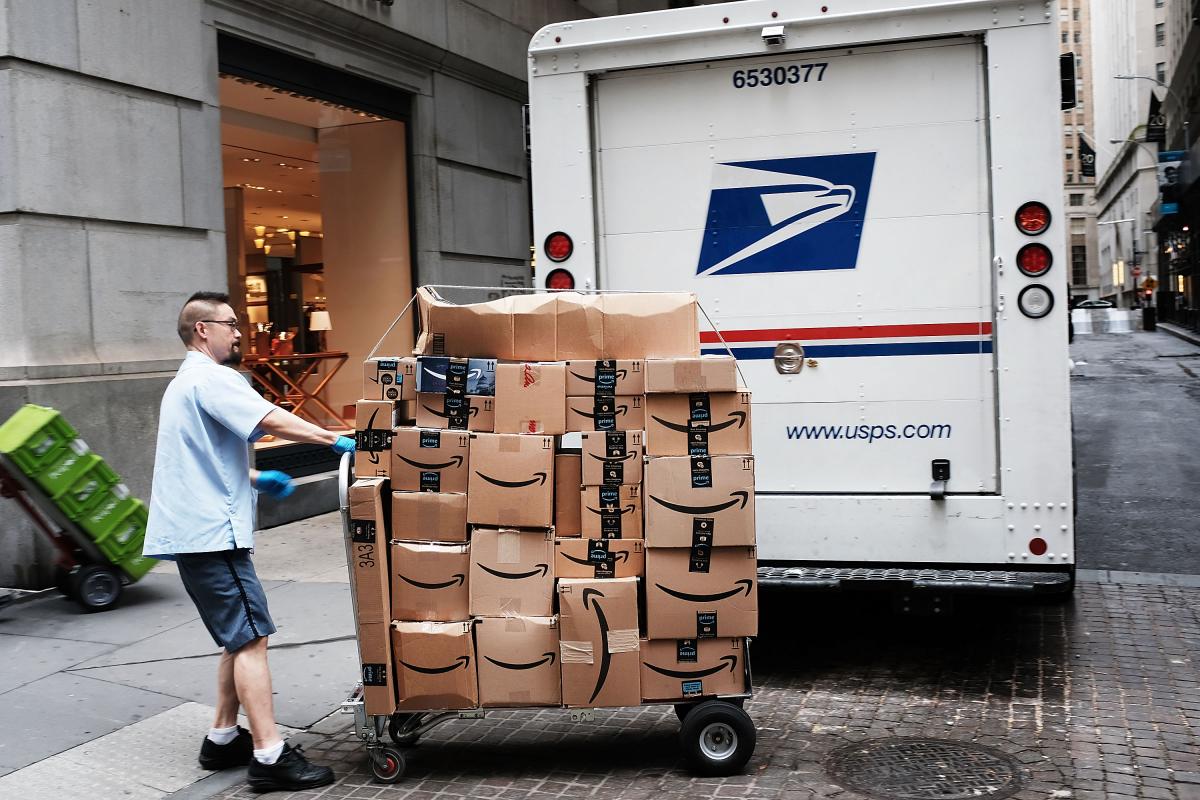
The problem, Anne Goodchild said, occurs when delivery becomes too quick.
Anne Goodchild is featured guest for Convoy Radio Podcast’s latest episode.

Boeing’s 737 Max line has been grounded, making things tricky at the plant near Seattle. It’s filled with undelivered 737s and it’s not clear what will happen to them. Bill Keough weighs in.
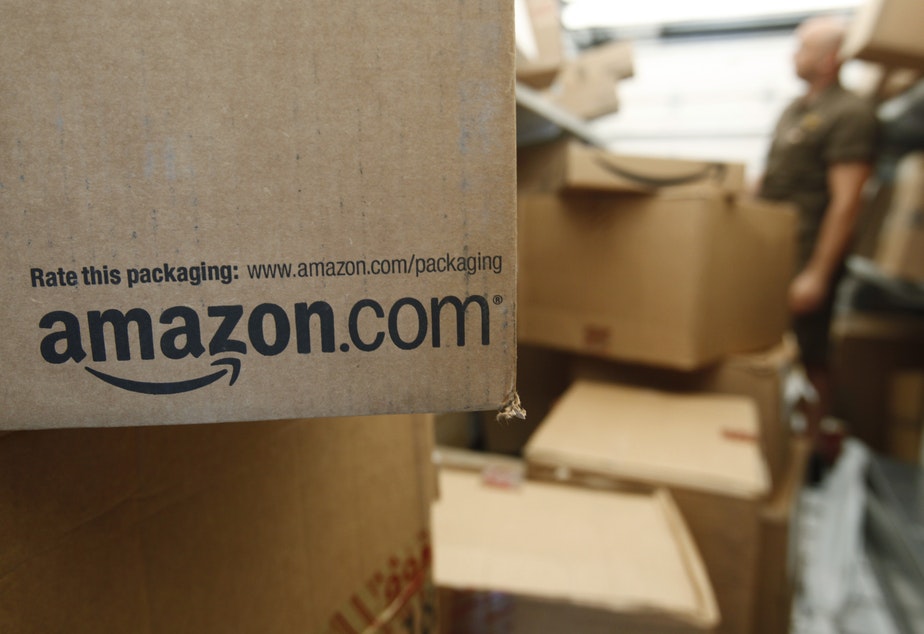
What are the consequences of our addiction to near-instant delivery? Our Anne Goodchild is featured.
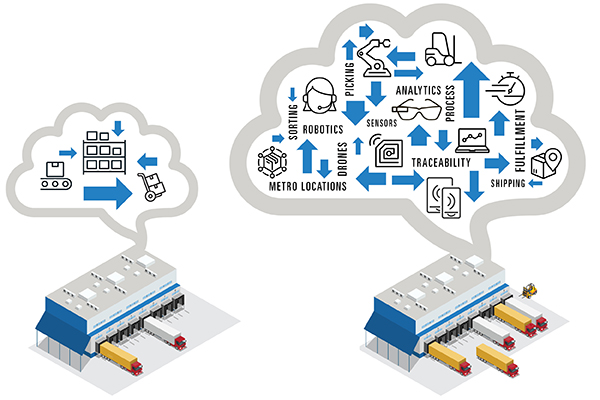
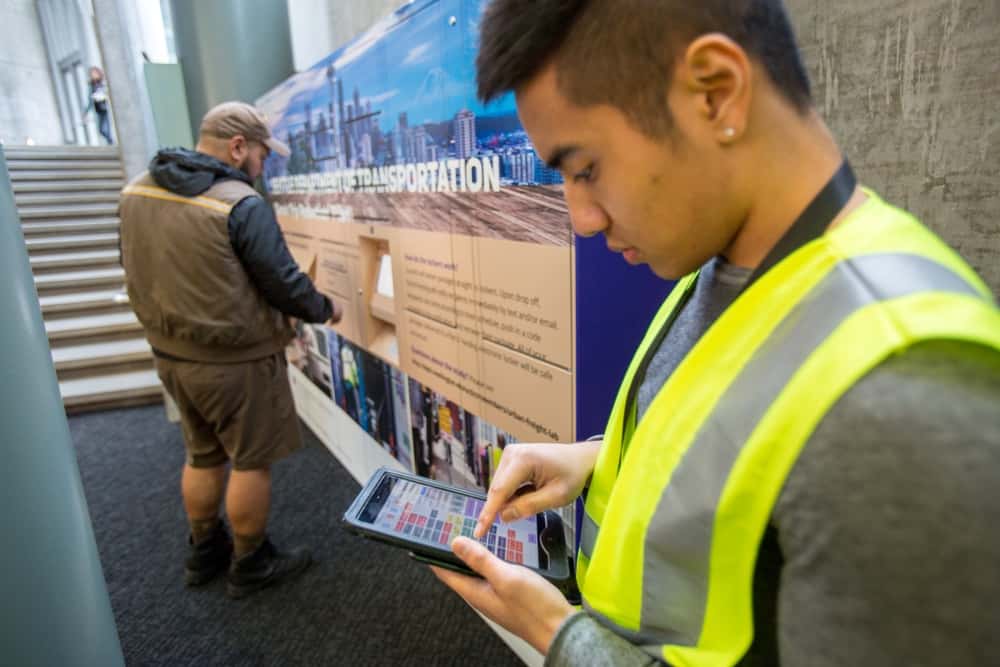
“Rethinking how to use the load/unload space is now necessary,” says Barbara Ivanov, chief operating officer with the Supply Chain Transportation and Logistics Center at the University of Washington. Ivanov is working with the city of Seattle to design a common locker system—essentially a tiny distribution center—where a delivery truck pulls up and unload its packages into separate, secure lockers.
Amazon hopes to make 50% of shipments to customers with net zero carbon in the next 11 years. Anne Goodchild’s research is cited.
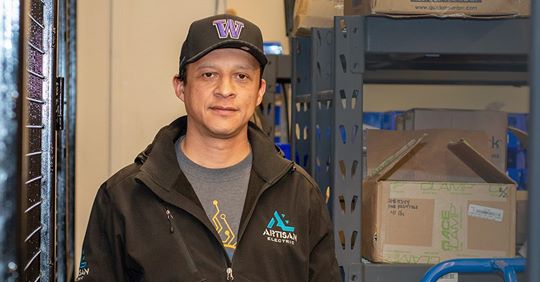
Edwin Quezada jump-started his career with a Master’s degree in Supply Chain Transportation & Logistics.